How to Choose Reliable Grocery Suppliers and Distributors in Pakistan
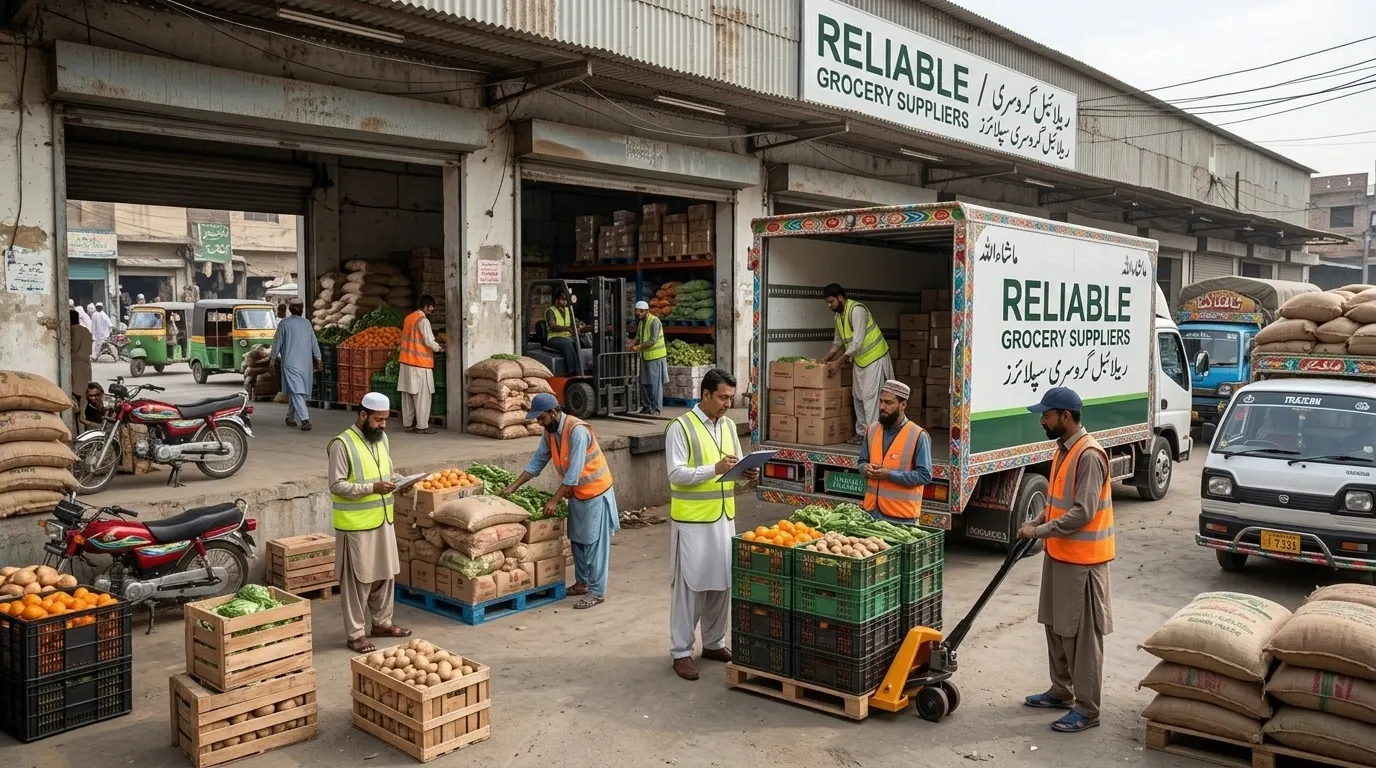
Choosing the right supplier is an important decision for any grocery business. Whether you run a small kiryana store, a neighbourhood grocery shop, a cash-and-carry business, or a supermarket, supplier quality directly affects stock availability, purchasing costs, product quality, and customer satisfaction.
In Pakistan, grocery retailers can purchase products through manufacturers, authorised distributors, wholesalers, importers, and local wholesale markets. Each option has different pricing structures, order requirements, delivery arrangements, and payment terms. The lowest-priced supplier is not necessarily the best choice if deliveries are unreliable, products have short remaining shelf lives, or damaged stock cannot be returned.
Finding reliable grocery suppliers in Pakistan requires more than comparing wholesale prices. Retailers should verify business information, understand the distribution arrangement, inspect product quality, compare the total purchasing cost, and agree on clear business terms before placing regular orders.
This article covers practical steps grocery retailers can use to identify suitable suppliers and build dependable purchasing relationships.
1. Understand the Different Types of Grocery Suppliers in Pakistan
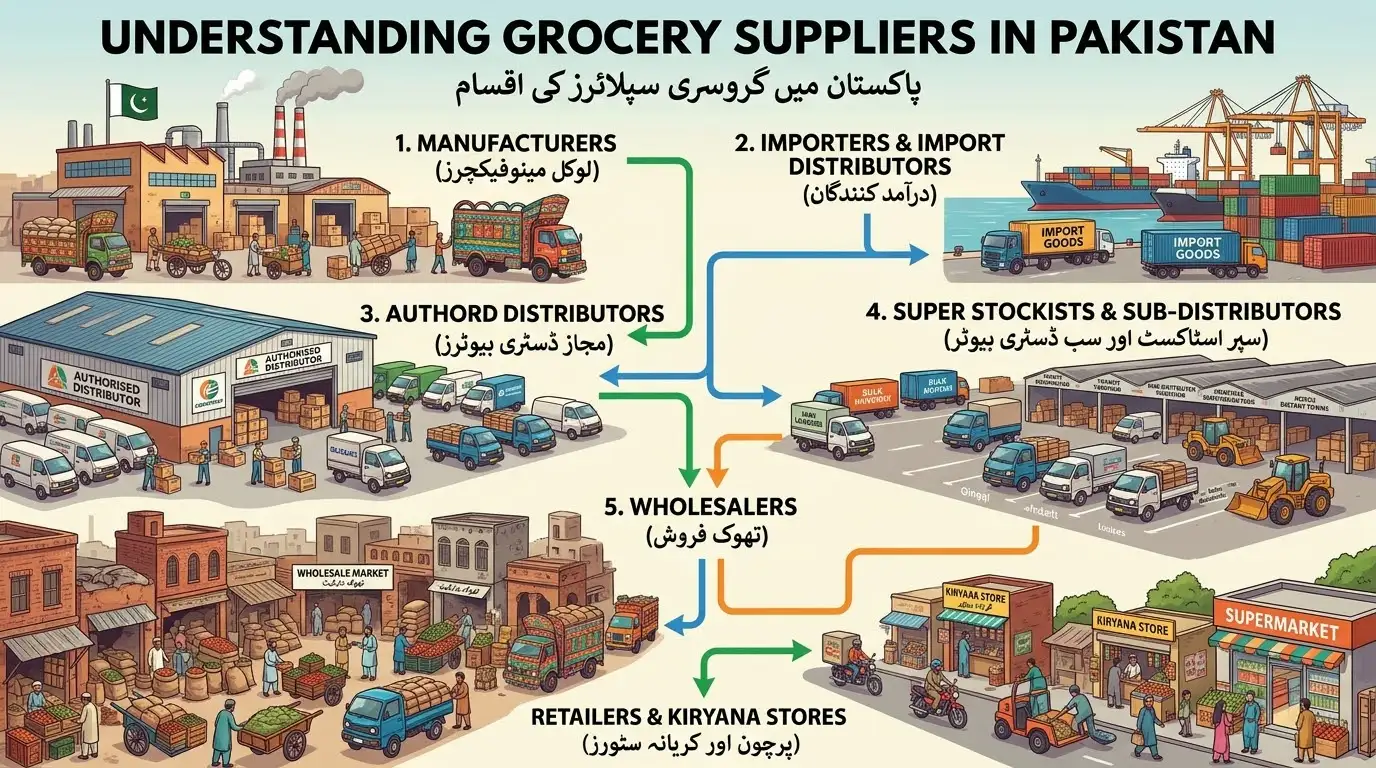
Before contacting suppliers, it is useful to understand how grocery products move from manufacturers to retailers. Different suppliers operate at different stages of the distribution process.
Manufacturers
Manufacturers produce grocery products and sell them through their own sales teams, distributors, or appointed dealers.
Examples include companies producing cooking oil, tea, biscuits, packaged foods, beverages, spices, flour, and household cleaning products.
Buying directly from a manufacturer may be suitable for large retailers or businesses purchasing substantial quantities. However, manufacturers may have minimum order requirements or may only supply retailers through their authorised distribution networks.
Authorised Distributors
Authorised distributors are businesses appointed by manufacturers or brand owners to distribute specific products within an agreed territory or sales channel.
They may supply supermarkets, grocery stores, wholesalers, and smaller retailers, depending on the manufacturer’s distribution arrangements.
Retailers purchasing branded products should ask whether the distributor is authorised and how that authorisation can be independently confirmed.
Wholesalers
Wholesalers purchase products in bulk and resell them to retailers, smaller dealers, and other businesses.
They are often useful for small and medium-sized grocery stores that cannot meet manufacturers’ direct purchasing requirements.
A wholesaler may offer products from several brands, allowing retailers to purchase different grocery categories from one location.
However, retailers should check product origin, batch details, expiry dates, and purchase documentation rather than assuming that every wholesaler is an authorised distributor.
Super Stockists and Sub-Distributors
Some distribution networks include additional intermediaries between the manufacturer and the retailer.
A super stockist may purchase and hold large quantities of products before supplying smaller distributors or dealers. A sub-distributor may cover a particular city, area, or group of retailers.
These arrangements can help brands reach more retail locations, but they can also create differences in pricing, delivery schedules, and territorial coverage.
Ask suppliers to explain their position in the distribution chain and whether they are permitted to supply your business.
Importers and Import Distributors
Importers bring products into Pakistan and may distribute them directly or through local wholesalers and dealers.
This category can include imported packaged foods, beverages, sauces, cereals, confectionery, and other grocery products.
Retailers should pay particular attention to importer details, applicable product labelling requirements, batch information, and the product’s supply history.
2. Difference Between a Wholesaler and a Distributor
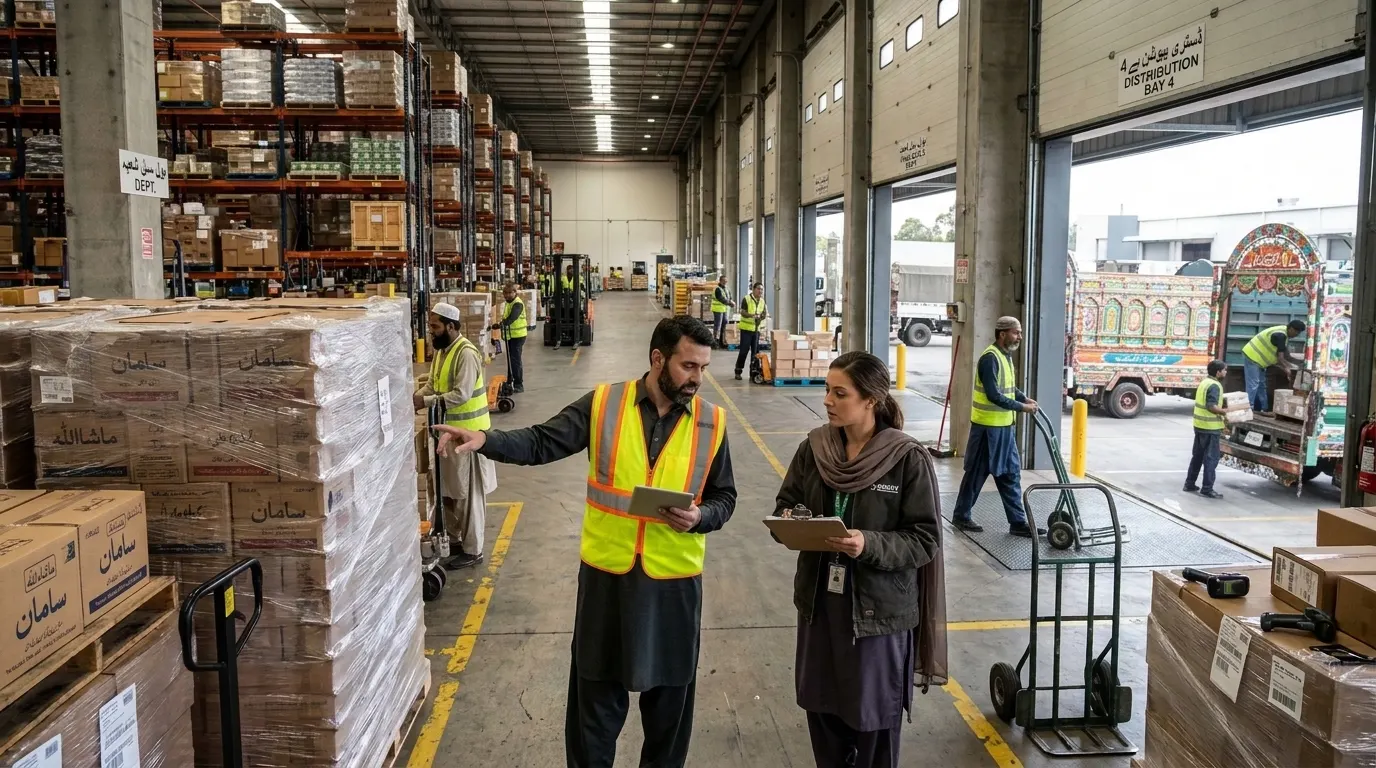
The terms wholesaler and distributor are sometimes used interchangeably, but they do not always describe the same business arrangement.
| Factor | Wholesaler | Distributor |
|---|---|---|
| Main role | Purchases and resells products in bulk | Distributes products on behalf of a brand or manufacturer |
| Product range | May stock multiple brands | Often handles selected brands |
| Brand authorisation | Not necessarily authorised by every brand | Usually has an appointment or distribution arrangement |
| Supply network | Sells to retailers and other businesses | Supplies retailers, dealers, and sometimes wholesalers |
| Pricing | Based on purchase cost and resale margin | Depends on the brand’s distribution and pricing arrangements |
| Delivery | May offer collection or delivery | May operate a planned sales and delivery network |
The distinction is important when buying branded products.
For example, a grocery wholesaler may sell several brands of cooking oil, tea, and biscuits. An authorised distributor may be responsible for supplying particular brands within a defined territory.
Neither arrangement is automatically better. The right choice depends on the product category, purchasing quantity, price, availability, and reliability of the supplier.
3. Where to Find Grocery Suppliers in Pakistan
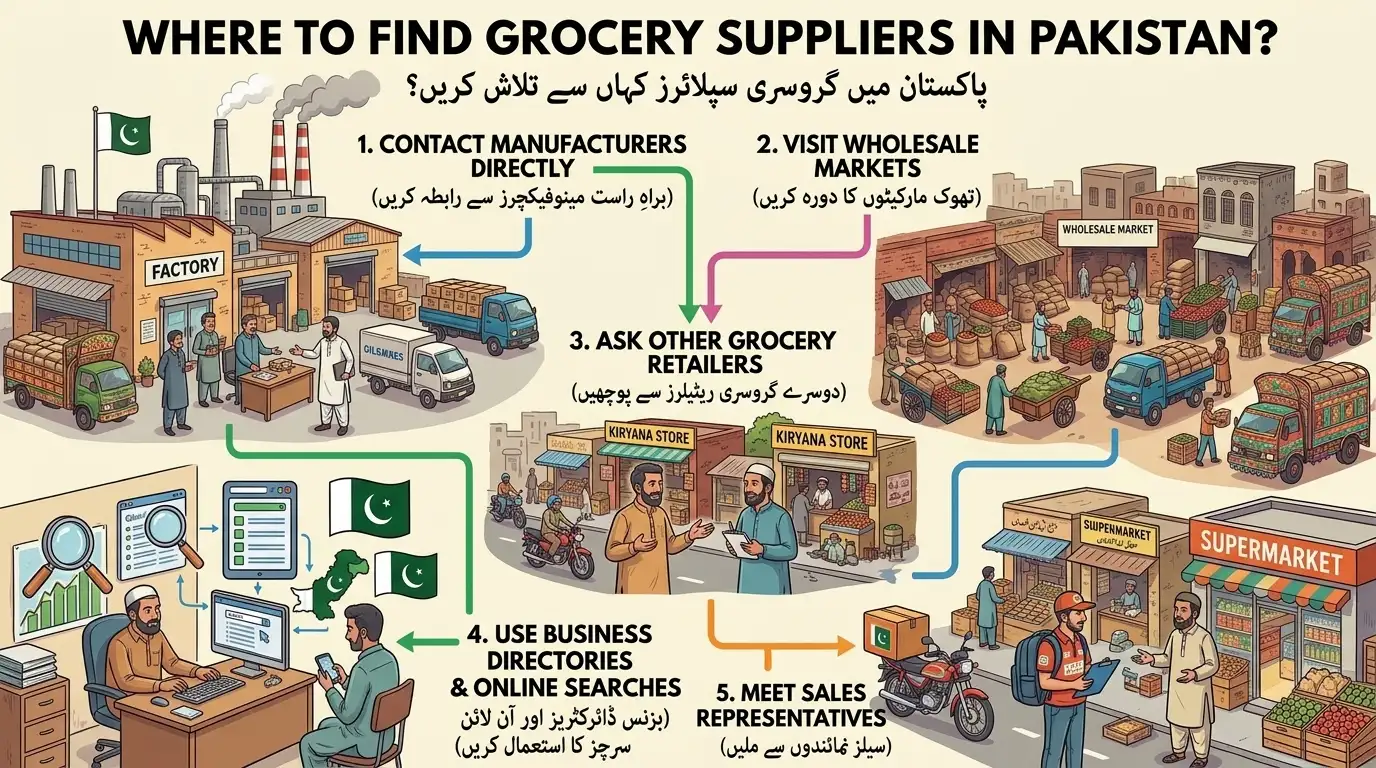
Retailers can identify potential grocery suppliers through several channels. Instead of depending on one source, compare multiple suppliers before making a purchasing decision.
Contact Manufacturers Directly
For branded grocery products, start with the manufacturer’s official website or customer support department.
Ask for the contact details of its sales representative, distributor, or regional distribution office serving your area.
This is particularly useful when purchasing products from established food and household brands. It also gives retailers a way to confirm whether a person claiming to represent a brand is genuinely connected to its distribution network.
Visit Wholesale Markets
Wholesale markets can be useful for comparing products, quantities, and purchasing prices.
Some well-known examples include:
- Shah Alam Market in Lahore
- Akbari Mandi in Lahore
- Jodia Bazaar in Karachi
- Other established wholesale markets and commodity trading areas in major cities.
These markets contain different types of traders and suppliers. Their presence does not guarantee that every individual seller is a reliable grocery supplier or authorised to distribute a particular brand.
Visit multiple shops, compare the same product and pack size, request proper receipts, and check the condition of stock before making larger purchases.
Ask Other Grocery Retailers
Retailers operating in the same city or nearby areas may have useful information about suppliers.
Ask other shop owners about:
- Suppliers who deliver consistently
- Product availability during busy periods
- Wholesale pricing and discounts
- Minimum order requirements
- Handling of damaged or expired stock
- Payment and credit arrangements
Recommendations can help identify potential suppliers, but they should not replace independent verification.
Use Business Directories and Online Searches
Online searches, business directories, trade networks, and supplier websites can help retailers identify potential wholesale businesses.
However, a website, social media page, or business listing is not proof of a supplier’s reliability.
Before transferring money or placing a large order, confirm the business identity, physical address, contact details, product information, and payment arrangements.
Meet Sales Representatives
Many grocery brands and distributors use sales representatives to visit retail stores, collect orders, and communicate promotions.
A retailer can ask a representative for:
- Company or distributor identification
- The brands and products they handle
- Their service area
- Official order and payment procedures
- Contact details for their supervisor or distribution office
Do not rely solely on a business card, WhatsApp profile, or verbal claim of authorisation. Confirm the representative’s identity through the brand or distributor’s independently verified contact channel.
4. How to Verify a Grocery Supplier Before Ordering
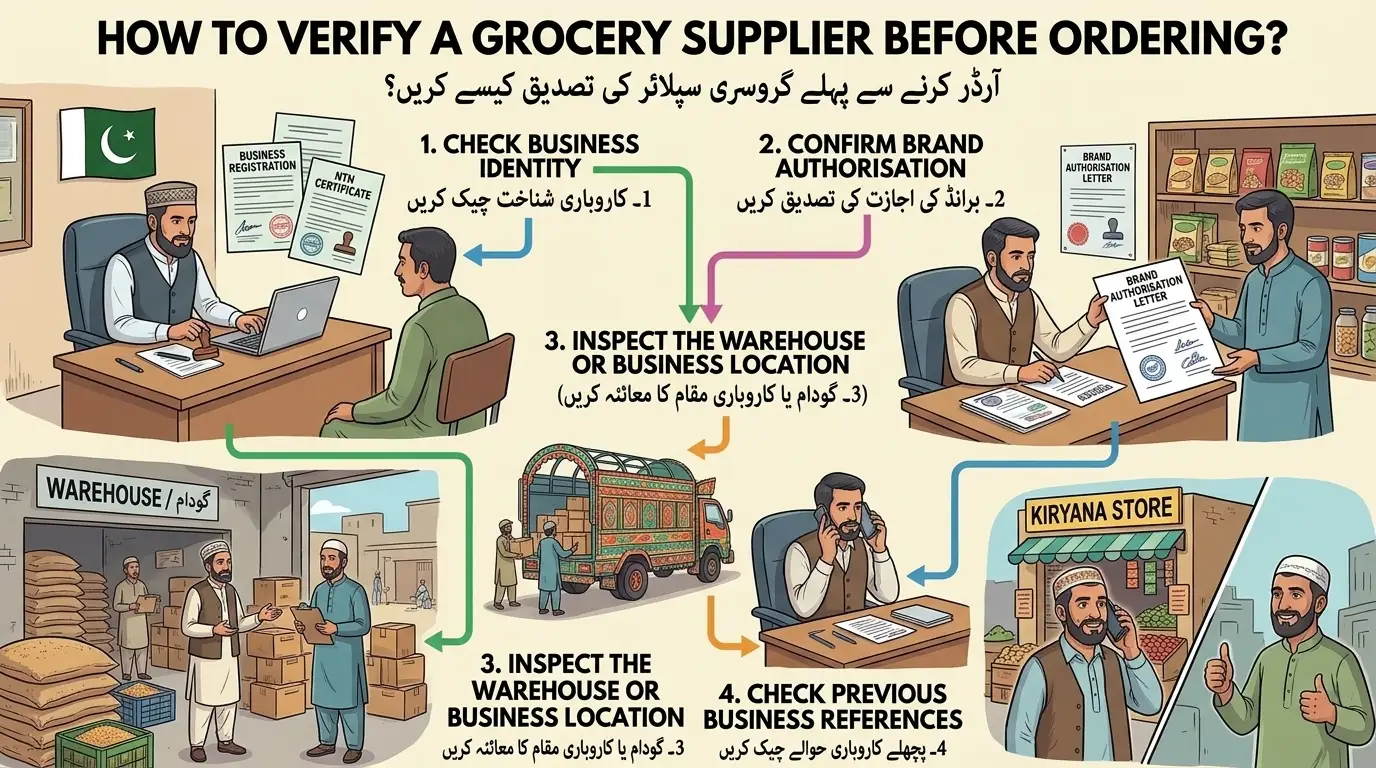
Supplier verification is one of the most important steps in choosing a wholesale partner.
A supplier may offer attractive prices but still create financial or operational problems if the business identity, stock source, or delivery arrangements are unclear.
Use the following checks before starting a regular purchasing relationship.
Check Business Identity
Ask for the supplier’s:
- Registered or trading business name
- Physical business or warehouse address
- Official telephone number
- Business email address, where available
- Tax or registration details, where applicable
- Name of the person responsible for sales and orders
If the supplier claims to operate as a registered company, its company information can be checked through the relevant official records, including the Securities and Exchange Commission of Pakistan’s company search facilities.
However, not every legitimate supplier operates as a limited company. Some businesses operate as sole proprietorships or partnerships, so verification should match the supplier’s actual legal structure.
Confirm Brand Authorisation
If you are purchasing branded products, ask whether the supplier is an authorised distributor, dealer, or appointed stockist.
You can confirm this by contacting the brand through its official website or customer service channel.
Ask the supplier to explain:
- Which brands they are authorised to distribute
- Which cities or areas they cover
- Whether they supply retailers directly
- Whether they can provide evidence of their distribution arrangement
Do not assume that a supplier is authorised simply because they stock genuine-looking branded products.
Inspect the Warehouse or Business Location
For regular or high-value purchases, visiting the supplier’s premises can provide useful information.
Look for:
- Clean and organised storage areas
- Properly arranged cartons and stock
- Protection from moisture, dust, pests, and excessive heat
- Separation of food products from chemicals and non-food items
- Suitable storage arrangements for temperature-sensitive products
- A clear system for handling damaged and expired goods
For food products, storage conditions should be appropriate for the product category and the manufacturer’s instructions.
Check Previous Business References
Ask whether the supplier currently serves other grocery retailers or supermarkets.
Where possible, contact one or two business references and ask about delivery reliability, product quality, order accuracy, and complaint handling.
A supplier’s references are useful supporting evidence, but they should not be treated as independent proof of every claim.
5. How to Check Grocery Product Quality and Authenticity

A reliable grocery supplier should be able to explain where its products come from and how stock is handled.
Retailers should check products before accepting deliveries, particularly when buying branded, imported, chilled, or short-shelf-life items.
Important checks include:
- Product name, brand, and correct variant
- Original packaging and intact seals
- Manufacturing and expiry dates
- Batch or lot numbers
- Net weight and pack size
- Manufacturer or importer information
- Storage instructions
- Signs of leakage, damage, tampering, or contamination
For imported products, also check the applicable importer and labelling information.
A barcode or QR code alone cannot prove that a product is genuine. Similarly, a low wholesale price does not automatically mean that stock is counterfeit.
If you identify suspicious packaging, altered dates, missing product information, or unexplained differences, keep the product separate and contact the manufacturer or relevant food authority.
For additional checks, read Grocer.pk’s article on How to Spot Fake and Counterfeit Grocery Products in Pakistan.
6. Compare Wholesale Prices and the Total Purchasing Cost
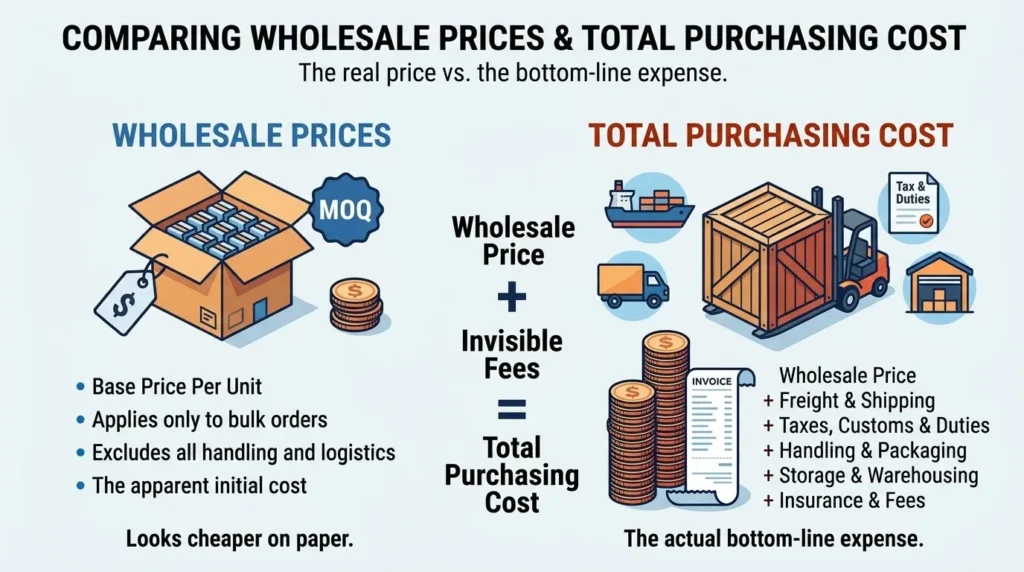
Price comparison is essential, but retailers should compare the complete cost of purchasing a product rather than looking only at its quoted wholesale price.
A supplier may offer a lower unit price but charge separately for transportation, handling, or other services. Another supplier may offer a slightly higher price but provide free delivery and more flexible order quantities.
Before choosing a supplier, compare:
- Price per unit or pack
- Carton quantity
- Discounts on bulk orders
- Delivery charges
- Applicable taxes
- Promotional offers
- Payment conditions
- Return and replacement costs
For example, consider a retailer purchasing 20 cartons of a packaged grocery product.
| Purchasing detail | Supplier A | Supplier B |
|---|---|---|
| Price per carton | Rs. 4,800 | Rs. 4,750 |
| Quantity | 20 cartons | 20 cartons |
| Product cost | Rs. 96,000 | Rs. 95,000 |
| Delivery charges | Rs. 0 | Rs. 2,000 |
| Total cost | Rs. 96,000 | Rs. 97,000 |
In this example, Supplier B has a lower quoted price, but Supplier A has the lower total purchasing cost.
The figures are illustrative, not current market prices.
Retailers should also compare the exact brand, variant, pack size, and quantity. Comparing different product specifications can lead to incorrect purchasing decisions.
7. Understand Minimum Order Quantity and Payment Terms
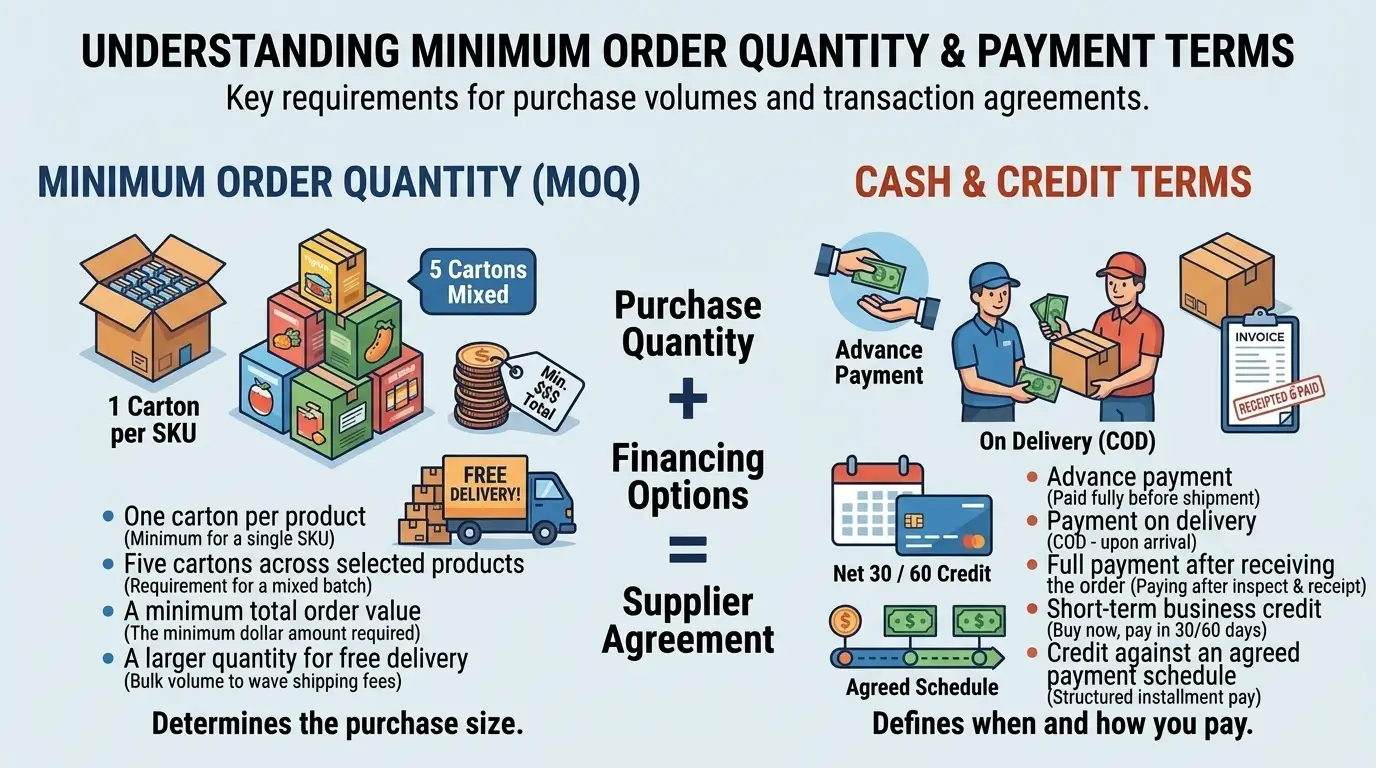
Before placing an order, understand the supplier’s minimum order quantity and payment requirements.
Minimum Order Quantity (MOQ)
Minimum order quantity refers to the smallest quantity a supplier is willing to sell in one order.
For example, a supplier may require:
- One carton per product
- Five cartons across selected products
- A minimum total order value
- A larger quantity for free delivery
MOQ requirements vary between suppliers and product categories.
Small grocery stores should avoid purchasing excessive stock simply to qualify for a discount. Products that remain unsold for long periods can tie up working capital and increase the risk of expiry or damage.
Cash and Credit Terms
Suppliers may offer different payment arrangements, including:
- Advance payment
- Payment on delivery
- Full payment after receiving the order
- Short-term business credit
- Credit against an agreed payment schedule
Credit can help retailers manage cash flow, but it should not be treated as free financing.
Before accepting credit, confirm the payment deadline, credit limit, late-payment conditions, and whether any discount is linked to early payment.
Put important terms in writing rather than relying only on verbal discussions.
8. Check Delivery Reliability and Stock Availability
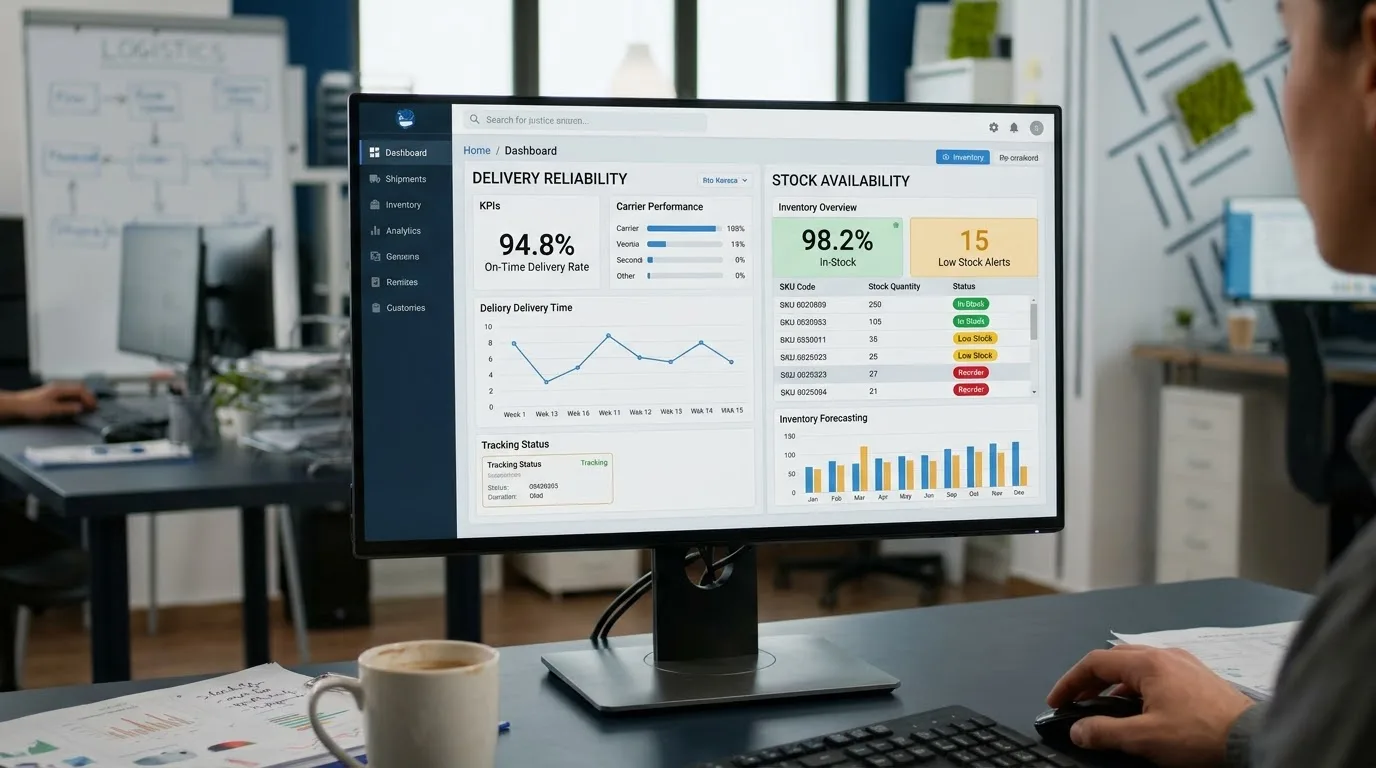
A supplier’s ability to deliver products on time is just as important as its pricing.
Late or incomplete deliveries can result in empty shelves, missed sales, and dissatisfied customers.
Ask potential suppliers:
- How often do they deliver to your area?
- What is the normal delivery lead time?
- Do they deliver on fixed days?
- Is there a minimum order value for delivery?
- Can they handle urgent or additional orders?
- How do they communicate stock shortages?
- What happens if an order arrives incomplete?
Retailers selling dairy products, frozen food, beverages, and other sensitive products should also check whether the supplier has suitable transportation and handling arrangements.
Do not rely on promises of immediate delivery unless the supplier can consistently meet those commitments.
9. Agree on Damaged Stock, Expiry and Return Policies

A supplier relationship should include a clear process for handling problems after delivery.
Before placing regular orders, ask how the supplier deals with:
- Damaged cartons
- Leaking or broken packaging
- Incorrect products or pack sizes
- Short deliveries
- Products with insufficient remaining shelf life
- Expired stock
- Manufacturer recalls
- Products damaged during transportation
Also clarify the time limit for reporting delivery problems and the documents or photographs required to support a claim.
Some suppliers may accept returns only for verified delivery damage, while others may have separate policies for near-expiry or unsold stock.
Do not assume that a supplier will accept unsold products back. Confirm the return policy in writing before purchasing.
10. Create a Supplier Evaluation Checklist
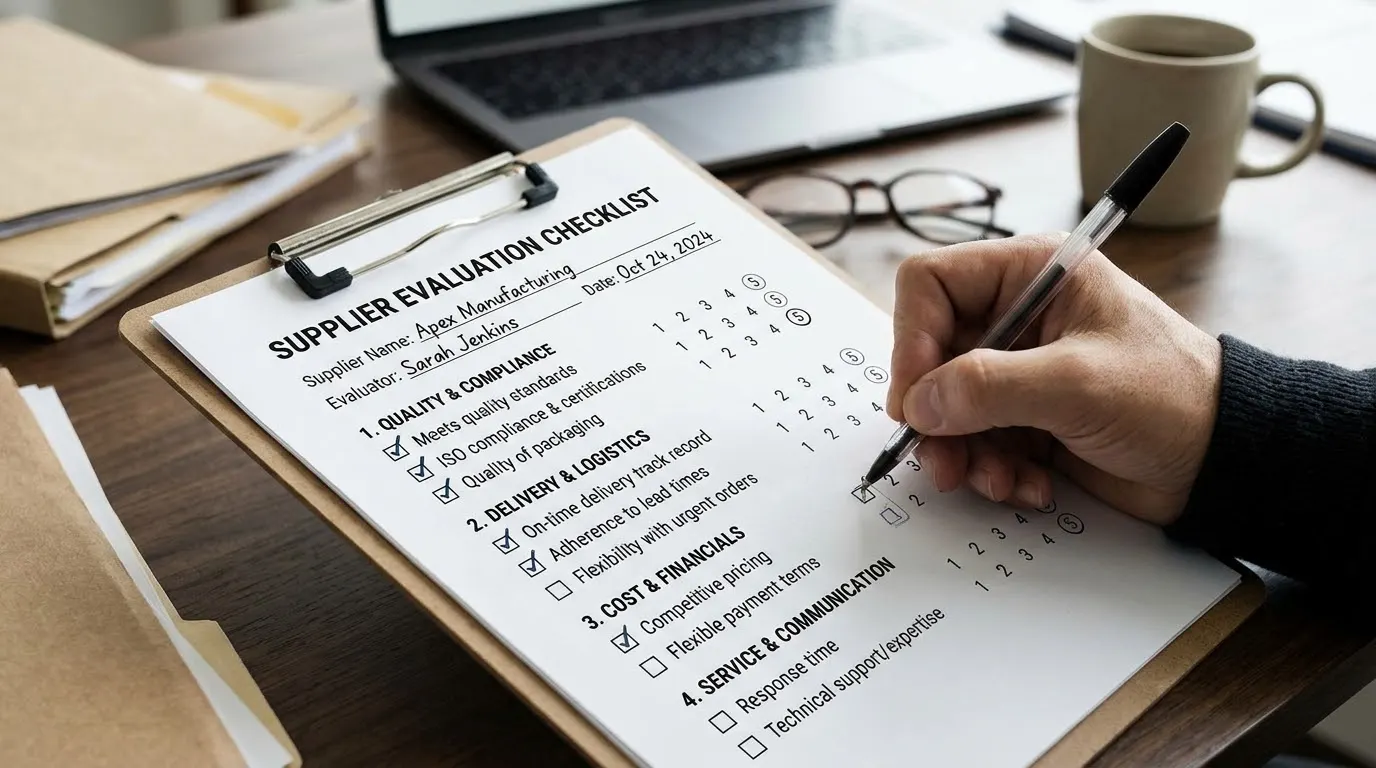
Comparing suppliers using the same criteria makes purchasing decisions more consistent.
The following checklist can help grocery retailers evaluate potential suppliers before selecting one for regular orders.
| Evaluation area | What to check |
|---|---|
| Business verification | Business identity, address, and contact details |
| Brand authorisation | Confirmation from the manufacturer, where applicable |
| Product quality | Packaging, batch details, dates, and storage |
| Pricing | Unit price, discounts, and total delivered cost |
| MOQ | Minimum quantity and order value |
| Payment terms | Advance, cash, or credit conditions |
| Delivery | Service area, lead time, and delivery consistency |
| Returns | Damaged stock, shortages, and expiry-related claims |
| Communication | Responsiveness and complaint handling |
A supplier should not be selected solely because it offers the lowest price. A slightly more expensive supplier may be a better long-term choice if its stock is dependable and its business terms are clear.
11. Place a Small Trial Order Before Committing
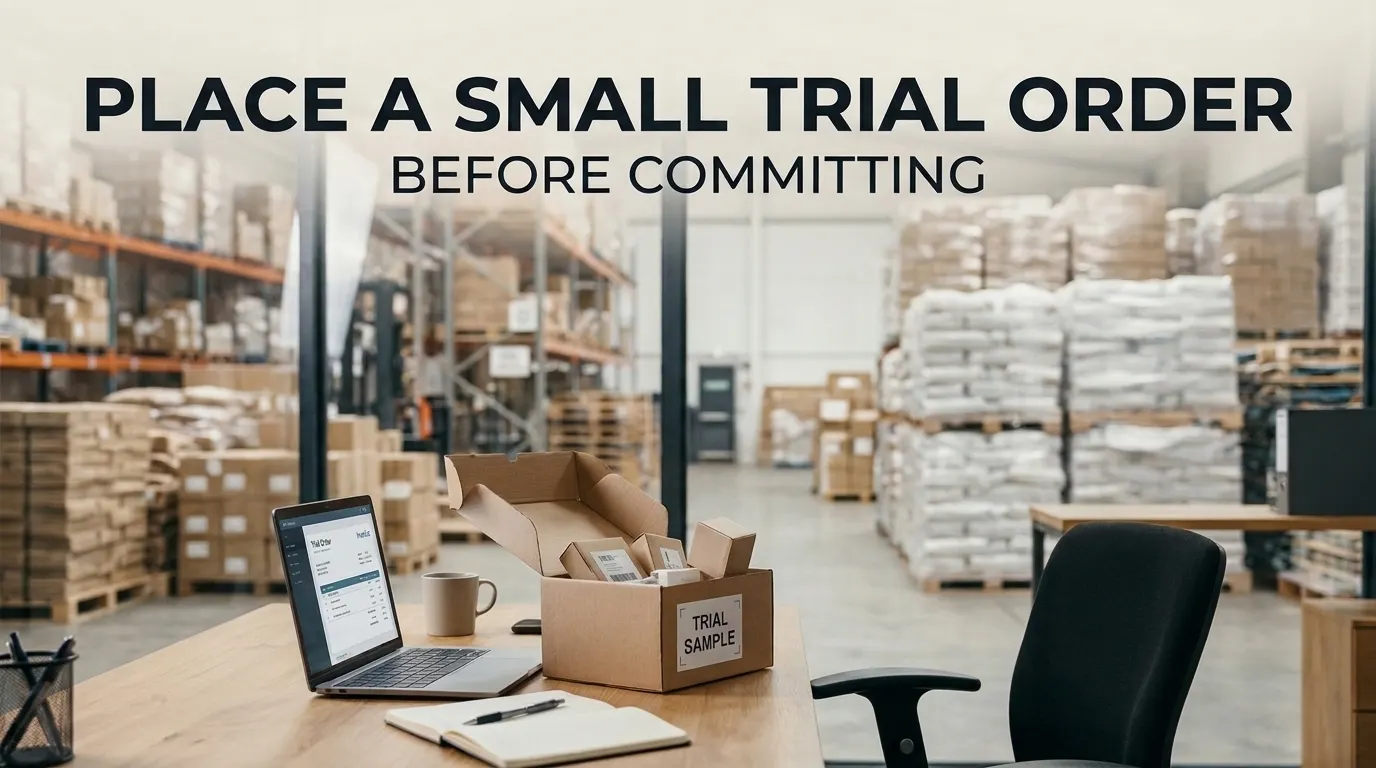
Before moving all your grocery purchases to a new supplier, place a smaller trial order.
A trial order allows you to assess the supplier’s actual performance instead of relying entirely on promises.
During the trial, check:
- Whether the supplier delivers on the agreed date.
- Whether the correct products and quantities arrive.
- Whether the products have acceptable remaining shelf life.
- Whether cartons and packaging are in good condition.
- Whether the invoice matches the agreed prices.
- Whether the supplier responds properly to complaints or shortages.
If the supplier performs consistently, gradually increase the order quantity.
Avoid making large advance payments to an unfamiliar supplier without proper verification and documented terms.
12. Build Long-Term Relationships With a Reliable Grocery Supplier

Once you identify suitable suppliers, maintain clear communication and consistent purchasing records.
A good supplier relationship can improve stock availability, make ordering easier, and reduce the time spent resolving purchasing problems.
Retailers should:
- Share expected purchasing requirements in advance.
- Pay invoices according to agreed terms.
- Keep records of orders and payments.
- Report damaged or incorrect stock promptly.
- Review product prices regularly.
- Monitor delivery performance.
- Maintain alternative suppliers for important product categories.
It is also sensible to avoid depending on a single supplier for every product. If a supplier experiences a stock shortage, transport disruption, or business closure, alternative sources can help keep the store operating.
For more practical advice, read How Grocery Stores in Pakistan Can Manage Inventory and Reduce Food Waste. Effective purchasing and stock management work together: buying the right quantities from dependable suppliers helps retailers reduce unnecessary inventory and avoid preventable losses.
13. Common Mistakes to Avoid When Choosing Grocery Suppliers
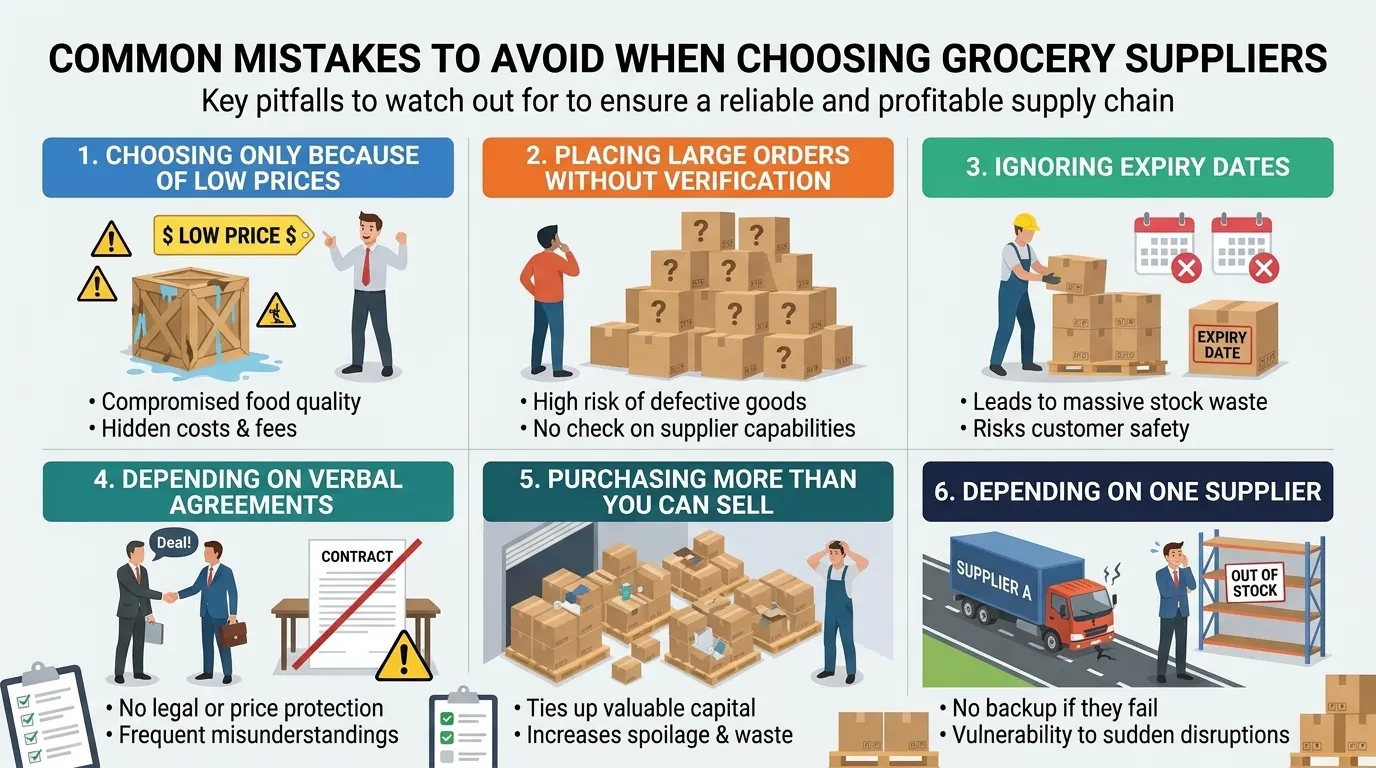
Some purchasing mistakes can create long-term problems for grocery businesses.
Choosing a Supplier Only Because of Low Prices
An unusually low quotation may look attractive, but it should be checked against product authenticity, stock condition, delivery charges, and payment requirements.
Placing Large Orders Without Verification
A new supplier should be assessed before receiving a large advance payment or a high-value order.
Ignoring Expiry Dates
Products with short remaining shelf lives may become difficult to sell before expiry. Retailers should check dates during purchasing and receiving.
Depending on Verbal Agreements
Unclear agreements can lead to disputes over prices, credit, delivery, and returns. Important conditions should be documented.
Purchasing More Than the Store Can Sell
Bulk discounts are not always beneficial. Excess stock can occupy storage space, tie up working capital, and increase expiry-related losses.
Depending on One Supplier
A single supplier may not always have every product available. Maintaining alternative suppliers for important items can reduce supply disruptions.
Frequently Asked Questions
How can I find a reliable grocery supplier in Pakistan?
Start by contacting manufacturers, authorised distributors, wholesalers, and established wholesale markets. Compare multiple suppliers, verify business details, inspect product quality, and place a small trial order before making regular purchases.
What is the difference between a grocery wholesaler and a distributor?
A wholesaler generally purchases products in bulk and resells them to retailers. A distributor usually operates within a brand’s or manufacturer’s distribution network and may have an appointed territory or customer base.
How can I verify an authorised grocery distributor?
Contact the manufacturer through its official website or customer service channel. Ask whether the distributor is authorised to supply your city or area. Do not rely solely on a supplier’s verbal claims or promotional material.
Can small kiryana stores buy directly from manufacturers?
Some manufacturers supply small retailers directly, while others work through distributors and wholesalers. Availability depends on the brand’s distribution policy, order size, location, and minimum purchasing requirements.
What should I check before placing a wholesale grocery order?
Check the supplier’s identity, product source, brand authorisation where applicable, wholesale price, pack size, MOQ, expiry dates, delivery terms, payment conditions, and return policy.
What does MOQ mean in wholesale grocery purchasing?
MOQ stands for Minimum Order Quantity. It is the smallest quantity or order value a supplier requires for a purchase. Requirements vary by supplier and product category.
Should grocery stores purchase products on credit?
Credit can help retailers manage working capital, but it should only be accepted after confirming the credit limit, payment deadline, and other conditions. Retailers should ensure they can meet the agreed payment schedule.
How can a grocery retailer avoid counterfeit products?
Purchase from traceable suppliers, check packaging and seals, verify batch and manufacturer information, and contact the brand if anything appears suspicious. Keep purchase invoices and avoid relying on barcode scans alone.
Should a grocery store have more than one supplier?
Yes. Maintaining alternative suppliers for important product categories can help a store manage stock shortages, delayed deliveries, and changes in wholesale prices.
Final Thoughts
Choosing reliable grocery suppliers and distributors in Pakistan is an important part of running a sustainable retail business. The right supplier should provide suitable products, transparent pricing, dependable deliveries, clear payment terms, and a practical process for resolving stock-related problems.
Grocery retailers should compare several suppliers, verify their business information, check product quality, and evaluate the total purchasing cost before making a long-term commitment.
For small kiryana stores and supermarkets alike, reliable purchasing is not simply about finding the cheapest wholesale rate. It is about maintaining a dependable supply of products while protecting cash flow, managing inventory, and meeting customer expectations.
A careful supplier selection process can help grocery businesses reduce purchasing risks and build stronger operations over time.
Research Sources
The following sources provide background on Pakistan’s distribution channels, business verification, food regulation, and Google’s content-quality guidance:
- U.S. Department of Commerce – Pakistan: Distribution and Sales Channels
- Securities and Exchange Commission of Pakistan (SECP)
- Punjab Food Authority
- Google Search Central – Creating Helpful, Reliable, People-First Content
- Google Search Central – Guidance on Generative AI Content
Syed Abdul Manan is an SEO expert and WordPress specialist with over 10 years of experience in search engine optimization and WordPress development. He holds a Bachelor of Science in Computer Science (BSCS) and is the Founder & CEO of Grocer.pk, a searchable directory of grocery stores, supermarkets, kiryana shops, and online grocery businesses across Pakistan.
With a technical foundation in computer science, he has spent the past decade working on technical SEO, on-page optimization, content strategy, and building fast, well-structured WordPress websites. For more than six years, he has been developing and managing Grocer.pk, which now covers major cities including Lahore, Karachi, Islamabad and Faisalabad, helping people find nearby stores by city, area and category, along with locations, contact details and map links.
Syed Abdul Manan runs Grocer.pk with a professional, quality-focused approach, combining clean site architecture, structured listings and practical grocery guides to serve both shoppers and business owners. His goal is to help local businesses build a stronger online presence and to help users find reliable local information quickly.
Connect with him on LinkedIn.