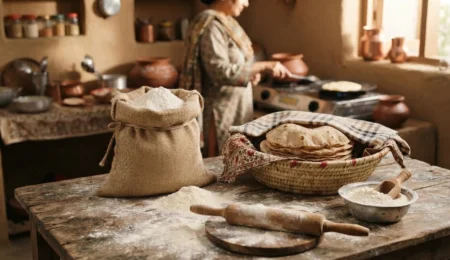
Monthly Grocery List for Pakistani Families: Complete Checklist
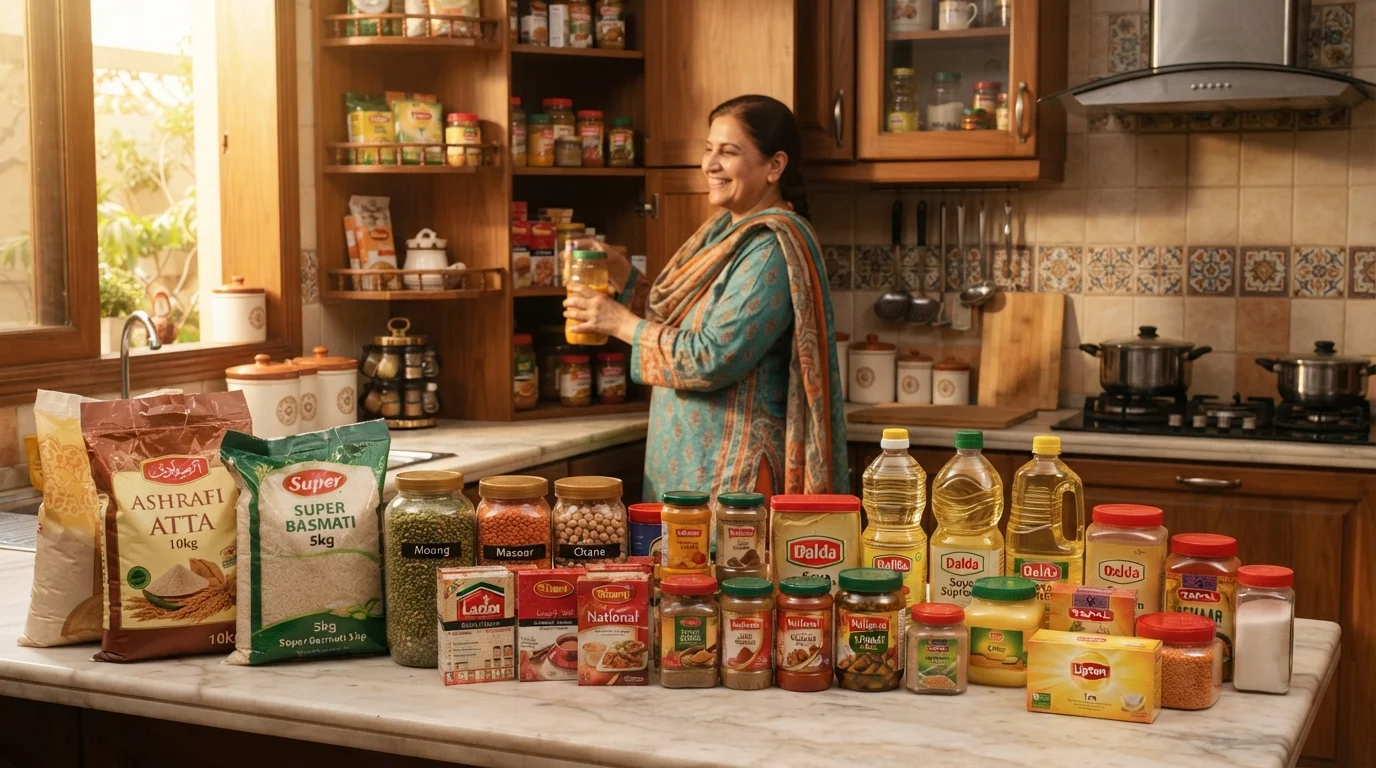
Planning a monthly grocery shop can save time, reduce unnecessary purchases, and make it easier to keep everyday essentials at home. But there is no single Monthly Grocery List that works for every Pakistani family. Household size, cooking habits, budget, storage space, and the foods your family regularly eats all make a difference.
This Monthly Grocery List for Pakistani Families is designed as a practical starting point. It covers everyday pantry staples, cooking ingredients, breakfast items, fresh groceries, household supplies, and other commonly needed items. You can adjust the quantities according to your family’s actual consumption.
Monthly Grocery List for Pakistani Families at a Glance
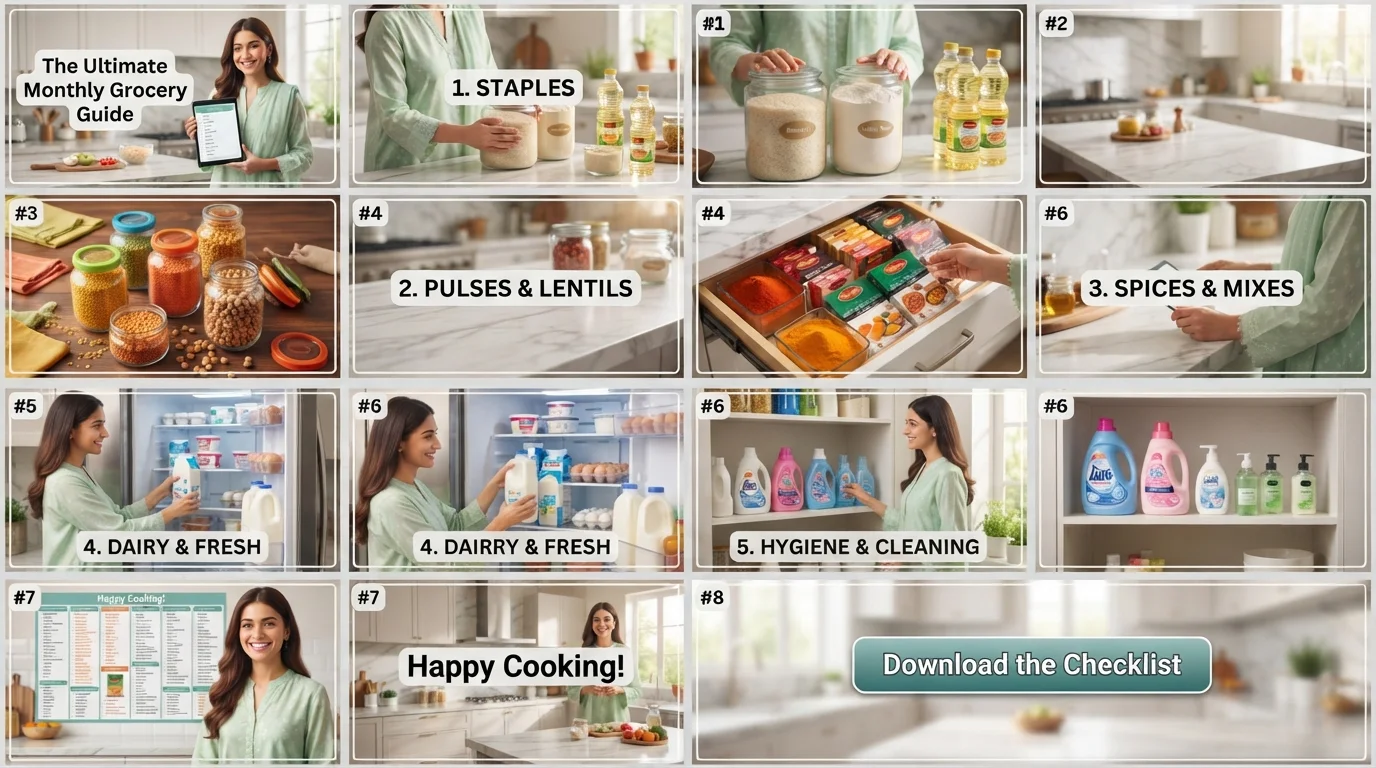
Before going into individual categories, here is a quick overview of the main grocery groups to check each month:
- Atta and other flours
- Rice and grains
- Daal and pulses
- Cooking oil and ghee
- Salt, sugar and spices
- Tea and other beverages
- Breakfast foods
- Sauces and condiments
- Baking ingredients
- Dry foods and snacks
- Dairy and eggs
- Fresh fruits and vegetables
- Meat and other proteins
- Frozen foods
- Cleaning supplies
- Laundry products
- Personal-care essentials
You do not necessarily need to purchase everything every month. Some products may last longer than a month, while fresh foods are usually better purchased more frequently.
1. Atta, Flour and Grains
For households that regularly prepare roti or other flour-based foods, atta is one of the first items to check before monthly shopping.
Common items
- Whole wheat atta
- Maida
- Besan
- Suji
- Corn flour or cornmeal, if used
- Oats or other breakfast grains, if required
The right quantity depends on how often your family eats roti, paratha and other flour-based foods. Instead of copying a fixed quantity from someone else’s Monthly Grocery List, check how much your household actually uses each month.
2. Rice
Rice is another common staple in Pakistani households and can be used for everyday meals as well as dishes such as pulao and biryani.
Rice checklist
- Basmati rice
- Regular/everyday rice
- Sella rice, if used
- Other specialty rice according to your household’s cooking preferences
If rice is eaten frequently in your home, track your consumption for one or two months. This gives you a more realistic quantity for future grocery shopping.
3. Daal and Pulses
Keeping a selection of daal and pulses at home makes it easier to prepare everyday meals without having to buy them repeatedly.
Common options
- Masoor daal
- Moong daal
- Chana daal
- Mash daal
- Whole chickpeas
- Black chickpeas
- White beans
- Other pulses your family regularly cooks
You do not need to stock every variety. Start with the types your family actually eats and add others according to your normal meal planning.
4. Cooking Oil, Ghee and Fats
Check your cooking oil or ghee before starting the Monthly Grocery List.
Checklist
- Cooking oil
- Desi ghee, if used
- Banaspati, if used
- Olive or other specialty oil, if part of your household’s normal cooking
For frequently used products, larger packs can sometimes be convenient, but only when you have enough storage space and expect to use the product within a reasonable period.
5. Salt, Sugar and Everyday Spices
Spices are easy to forget because you normally use small amounts at a time. Add them to a dedicated section of your Monthly Grocery List.
Basic spices and seasonings
- Salt
- Red chilli powder
- Turmeric powder
- Coriander powder
- Cumin
- Black pepper
- Garam masala
- Whole spices
- Chaat masala, if used
- Kasuri methi, if used
- Other household-specific spices
Check existing spice containers before buying new packets. This simple step can prevent unnecessary duplicate purchases.
Pakistani households commonly keep spices, recipe mixes, sauces and other cooking essentials as part of their regular grocery shopping. You can also explore the Shan Foods brand page for related food products.
6. Tea, Coffee and Other Beverages
For households where tea is part of the daily routine, tea and related items should be checked before the monthly shop.
Beverage checklist
- Tea
- Coffee
- Sugar
- Tea whitener or powdered milk, if used
- Drinking chocolate or other beverages, if required
- Squash or drink mixes, if normally consumed
Fresh milk is generally better handled as a regular or weekly purchase rather than automatically treating it as a one-time Monthly Grocery List items.
7. Breakfast and Everyday Foods
Breakfast requirements vary significantly between families.
Common items
- Eggs
- Bread
- Butter
- Jam
- Cheese
- Cereal
- Oats
- Paratha
- Peanut butter
- Honey
- Yogurt
- Other breakfast items your family regularly consumes
Do not add products simply because they appear on a standard grocery list. If your family does not normally eat a particular item, it does not need to become part of your monthly stock.
8. Sauces, Condiments and Cooking Extras
These products can sit in the kitchen for weeks or months, so check what you already have before purchasing them again.
Checklist
- Ketchup
- Mayonnaise
- Vinegar
- Soy sauce
- Chilli sauce
- Pickles
- Chutney ingredients
- Tamarind/imli
- Tomato paste
- Other sauces and condiments used in your household
9. Baking and Dessert Ingredients
These are usually as-needed purchases rather than mandatory Monthly Grocery List.
Check if required
- Baking powder
- Baking soda
- Vanilla essence
- Custard powder
- Cocoa powder
- Cornflour
- Suji
- Vermicelli
- Food colouring
- Nuts and dry fruits
- Other baking or dessert ingredients
If you rarely bake or make desserts, there is no reason to purchase these products every month.
10. Snacks and Long-Lasting Foods
Families often spend more than expected on snacks because these purchases are made separately from the main grocery shop.
Optional checklist
- Biscuits
- Nimco
- Chips
- Popcorn
- Nuts
- Dry fruits
- Dates
- Cereals
- Crackers
- Chocolates
- Other household favourites
Treat these as optional rather than essential items when planning a controlled grocery budget.
11. Fresh Fruits and Vegetables
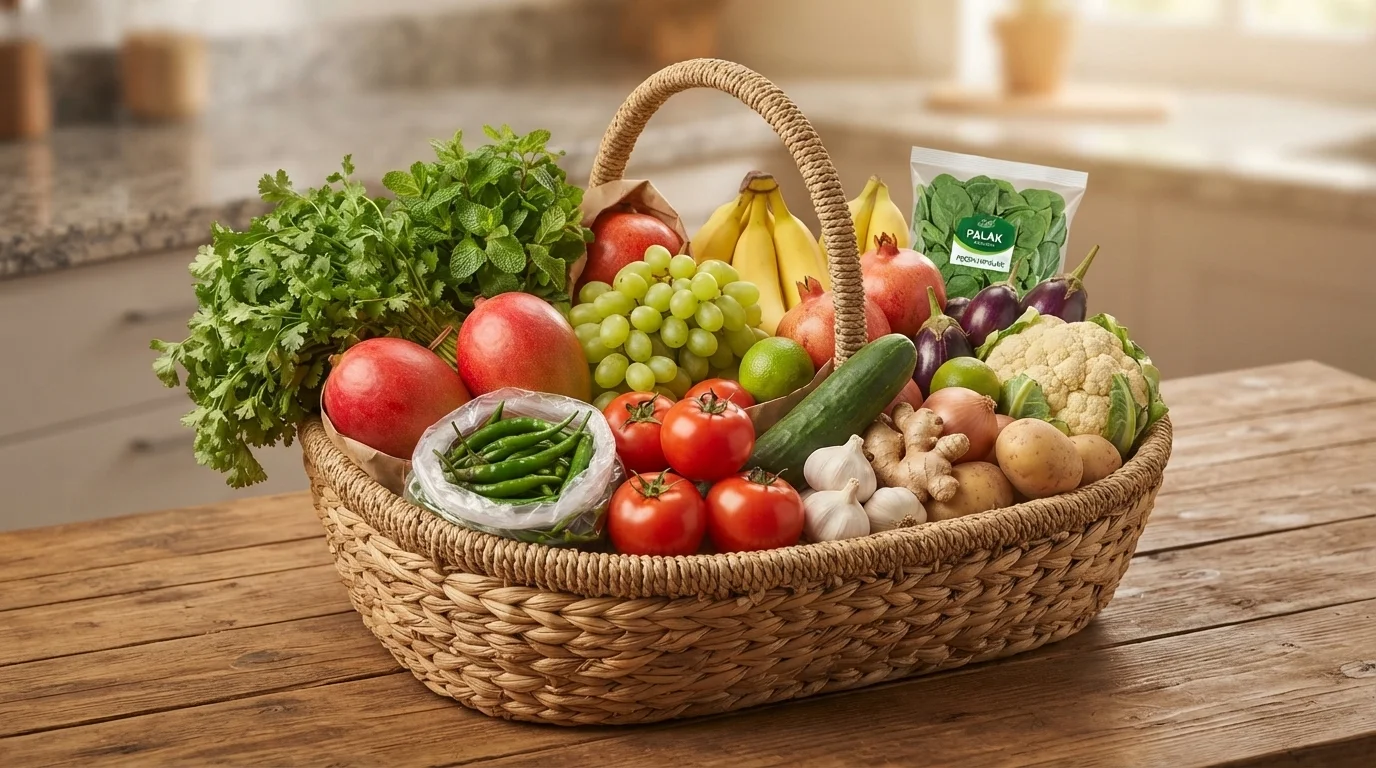
Fresh produce should generally be planned separately from long-life pantry groceries.
Vegetables
Depending on your household’s meals:
- Potatoes
- Onions
- Tomatoes
- Garlic
- Ginger
- Green chillies
- Spinach
- Carrots
- Cauliflower
- Cabbage
- Peas
- Seasonal vegetables
- Other vegetables used regularly
Fruits
- Bananas
- Apples
- Oranges
- Guava
- Mangoes when in season
- Watermelon when in season
- Other seasonal fruits
Instead of buying a month’s worth of fresh produce at once, plan fresh fruits and vegetables around your household’s normal weekly consumption.
12. Meat, Chicken, Fish and Other Proteins
Protein purchases can vary considerably depending on your family’s meals and budget.
Check what you normally use
- Chicken
- Beef
- Mutton
- Fish
- Mince/qeema
- Eggs
- Chickpeas and other pulses
Fresh meat and fish are usually better planned separately from shelf-stable pantry items. Your monthly list can act as a reminder of the types of protein you need rather than prescribing a fixed quantity for every household.
13. Dairy and Refrigerated Items
Keep a separate list for products that need refrigeration.
Common items
- Milk
- Yogurt
- Butter
- Cheese
- Cream
- Eggs
- Other household-specific dairy products
Because these products have different shelf lives, check them regularly rather than assuming everything should be purchased once at the beginning of the month.
14. Frozen Foods
Frozen foods can be convenient, particularly for families that use them regularly.
Possible items
- Frozen peas
- Frozen vegetables
- Frozen paratha
- Nuggets
- Samosas
- Kebabs
- Frozen meat or chicken
- Other freezer items
Check your freezer before shopping. Buying a new pack when several unopened packs are already stored is an easy way to overspend and waste storage space.
15. Cleaning and Household Supplies
A complete family grocery list should not stop at food.
Cleaning checklist
- Dishwashing liquid
- Laundry detergent
- Floor cleaner
- Toilet cleaner
- Bleach, if used
- Cleaning cloths
- Sponges
- Scrubbers
- Garbage bags
- Kitchen cleaning products
- Other household cleaning supplies
Some cleaning products last longer than a month, so check current stock before adding them to your shopping cart.
16. Personal-Care Essentials
Depending on the household, personal-care products may also be purchased during the monthly grocery trip.
Checklist
- Bath soap
- Hand wash
- Shampoo
- Toothpaste
- Toothbrushes
- Washing or personal-care products used regularly
- Tissues
- Toilet paper
- Other personal-care essentials
Keep these separate from food items on your shopping checklist so you can quickly identify what actually needs replacing.
Personal-care shopping may include shampoo, soap, toothpaste and other everyday essentials. For example, shoppers can explore the Sunsilk brand page for hair-care products available in Pakistan.
Monthly Grocery List for Pakistani Families: Copy and Check
Use this simplified checklist before your next grocery trip.
Pantry Staples
- ☐ Atta
- ☐ Maida
- ☐ Besan
- ☐ Rice
- ☐ Masoor daal
- ☐ Moong daal
- ☐ Chana daal
- ☐ Mash daal
- ☐ Chickpeas
- ☐ Cooking oil
- ☐ Ghee, if used
- ☐ Salt
- ☐ Sugar
- ☐ Tea
- ☐ Coffee, if required
Spices and Cooking Ingredients
- ☐ Red chilli powder
- ☐ Turmeric
- ☐ Coriander powder
- ☐ Cumin
- ☐ Black pepper
- ☐ Garam masala
- ☐ Whole spices
- ☐ Chaat masala, if used
- ☐ Vinegar
- ☐ Ketchup
- ☐ Other sauces and condiments
Breakfast and Dairy
- ☐ Eggs
- ☐ Bread
- ☐ Milk
- ☐ Yogurt
- ☐ Butter
- ☐ Cheese
- ☐ Jam
- ☐ Cereal/oats, if required
Fresh Food
- ☐ Potatoes
- ☐ Onions
- ☐ Tomatoes
- ☐ Garlic
- ☐ Ginger
- ☐ Green chillies
- ☐ Seasonal vegetables
- ☐ Seasonal fruits
- ☐ Chicken
- ☐ Beef/mutton/fish, if required
Household Supplies
- ☐ Dishwashing liquid
- ☐ Laundry detergent
- ☐ Floor cleaner
- ☐ Toilet cleaner
- ☐ Sponges/scrubbers
- ☐ Garbage bags
- ☐ Soap
- ☐ Shampoo
- ☐ Toothpaste
- ☐ Tissues/toilet paper
How to Adjust a Monthly Grocery List for Your Family
A grocery list becomes much more useful when it reflects your actual household instead of a generic “one size fits all” list.
Family size
A family of two will normally have different requirements from a family of six. However, household size alone does not tell you how much food you need.
For example, a family of four that eats roti at most meals may use considerably more atta than another family of four that regularly eats rice, bread or other foods instead.
Cooking habits
Think about what your family actually cooks during a normal week.
If you regularly prepare:
- Daal
- Rice
- Roti
- Sabzi
- Chicken
- Biryani
- Pasta
- Breakfast foods
then your grocery list should reflect those meals.
Storage space
Buying larger packs can be convenient, but storage matters. Do not buy several months’ worth of a product simply because the larger pack appears cheaper.
Consumption history
One of the easiest ways to create a more accurate grocery list is to keep a simple record for two or three shopping cycles.
Write down:
- What finished early?
- What was still left at the end of the month?
- What did you buy but barely use?
- Which items did you have to purchase again during the month?
After a few months, your own consumption history becomes more useful than a generic quantity chart.
What Should You Buy Monthly vs Weekly?
Not every grocery item belongs in the same shopping cycle.
| Usually checked monthly | Usually bought more frequently |
|---|---|
| Atta | Milk |
| Rice | Fresh vegetables |
| Daal | Fresh fruit |
| Cooking oil | Yogurt |
| Salt | Bread |
| Sugar | Meat/chicken |
| Tea | Eggs |
| Spices | Other fresh foods |
| Cleaning supplies | Household-specific fresh items |
This is only a planning framework. Your shopping frequency should depend on storage, household consumption and the shelf life of each product.
How to Save Money When Planning Monthly Groceries
A useful grocery list is not just about remembering what to buy. It can also help reduce unnecessary spending.
Check what you already have
Before shopping, check your kitchen cabinets, refrigerator and freezer. This helps prevent duplicate purchases.
Prioritize essentials
Start with the products your household uses regularly. Add snacks, specialty products and occasional ingredients afterward.
Avoid buying large quantities automatically
Bulk buying can make sense for frequently used shelf-stable products, but it is not automatically cheaper if the product is rarely consumed or storage is limited.
Use a shopping list
A written or digital checklist makes it easier to stay focused and reduces impulse purchases.
Plan meals around what you already have
Before buying new ingredients, look at what is already in your kitchen. Using existing stock can reduce waste and make your Monthly Grocery List budget easier to manage.
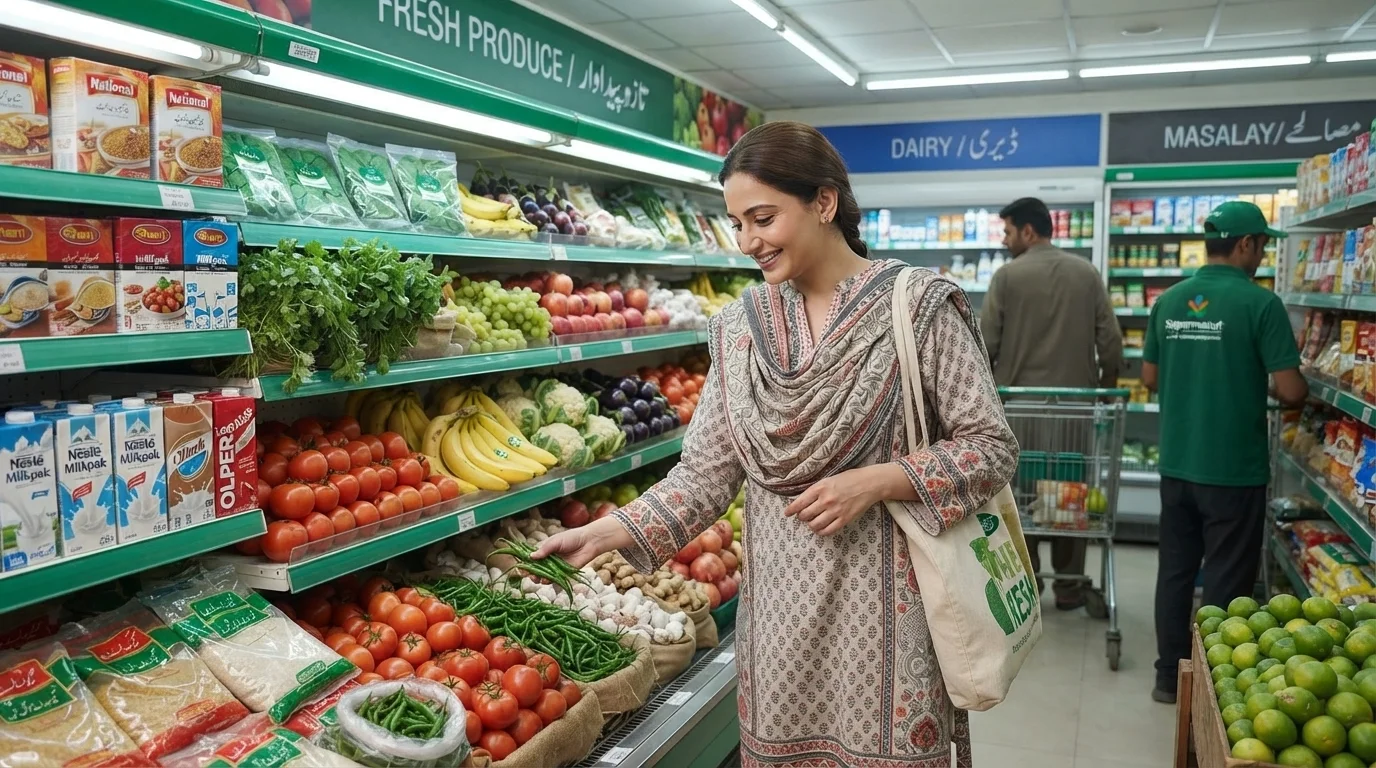
Where to Find Grocery Stores in Pakistan
Once you have prepared your Monthly Grocery List, the next step is finding a grocery store that suits your location and shopping needs.
Grocer.pk allows shoppers to explore grocery stores, supermarkets, Kiryana stores and online grocery businesses across Pakistan by location and category.
You can start with the Grocer.pk directory and browse available businesses by city, area or category.
For example, shoppers can explore grocery stores and supermarkets in Lahore or browse supermarkets in Pakistan depending on what they need.
The information available on individual listings can vary, so check the listing details and confirm important information such as opening hours or product availability with the business when necessary.
If you live in Lahore, you can also explore our guide to grocery stores near you in Lahore to find supermarkets, grocery stores and Kiryana shops across different areas.
For Karachi shoppers, see our guide to top supermarkets in Karachi.
Frequently Asked Questions
What should be on a Monthly Grocery List for a Pakistani family?
A basic Monthly Grocery List can include atta, rice, daal, cooking oil, salt, sugar, spices, tea, breakfast foods, dairy products, fresh produce, meat and household essentials. The exact list should reflect your family’s eating habits and consumption.
What groceries should I buy every month in Pakistan?
Common monthly staples include atta, rice, daal, cooking oil, salt, sugar, tea and frequently used spices. Other products can be purchased when they are running low or according to your household’s needs.
How do I make a grocery list for my family?
Start by checking what you already have, then divide your list into pantry staples, fresh foods, household supplies and personal-care products. Track what your family actually consumes for a few months and adjust your list accordingly.
Should I buy groceries for the whole month at once?
Not necessarily. Shelf-stable products such as rice, atta, daal, oil and some spices can often be planned as monthly purchases, while fresh produce, milk and other short-shelf-life products may need to be purchased more frequently.
How much grocery does a family need per month?
There is no single quantity that works for every family. Household size, meal choices, cooking frequency, food preferences and budget all affect Monthly Grocery List requirements.
Is bulk grocery shopping cheaper?
It can be useful for frequently consumed, shelf-stable products when the price per unit is lower and you have suitable storage. However, bulk buying is not automatically cheaper if the product is wasted or rarely used.
What are the most important groceries to keep at home?
For many Pakistani households, core staples include atta, rice, daal, cooking oil or ghee, salt, sugar, everyday spices and tea. The rest depends on the family’s regular meals and preferences.
Final Takeaway
The best monthly grocery list for Pakistani families is not the longest possible list. It is a list that matches the way your household actually eats, shops and stores food.
Start with your core staples, check your existing stock, separate Monthly Grocery List purchases from fresh weekly shopping, and keep track of what your family actually uses. After a few shopping cycles, you can turn this general checklist into a much more accurate household grocery plan.
A practical grocery list should make shopping easier—not force every family to buy the same products or quantities.