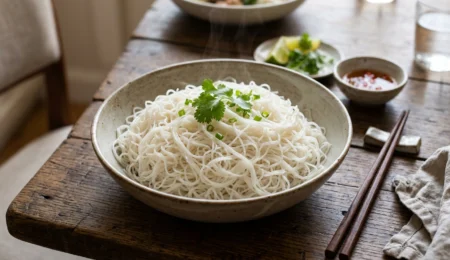
Winter Grocery Essentials List for Pakistani Families
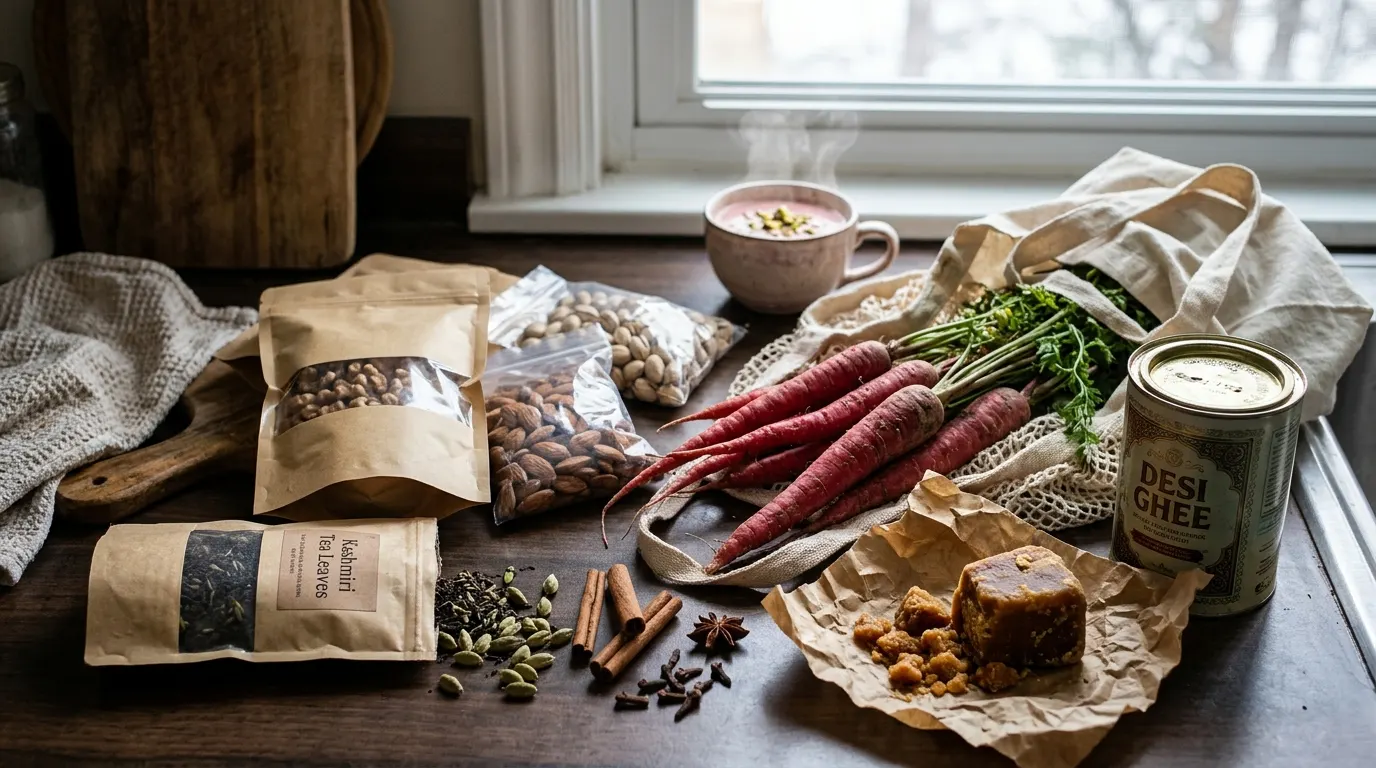
Winter changes the way many households in Pakistan plan their winter groceries. Chai may become a more frequent choice, soups are useful on cold evenings, and seasonal fruits and vegetables bring different ingredients into the kitchen. Families may also use more items for parathas, traditional winter dishes, and hot breakfasts.
A good winter grocery list should cover more than seasonal treats. Everyday ingredients such as atta, rice, daal, cooking oil, spices, and milk still matter, while fresh produce and optional winter favourites can be added according to your family’s preferences.
This winter grocery essentials list is designed for Pakistani households. Use it to plan your shopping, check what is already in your kitchen, and buy the quantities you are likely to use.
1. The Main Winter Grocery Checklist
Start with this checklist before adding seasonal extras. You do not need to purchase everything at once; use the list as a reference and select the items your household regularly consumes.
Pantry and cooking essentials
- Atta
- Rice
- Maida, if needed
- Besan and suji, if used
- Masoor, moong, chana or mash daal
- Chickpeas and beans
- Cooking oil
- Ghee or butter, according to preference
- Salt and sugar
- Tea and coffee
- Red chilli powder, turmeric and coriander powder
- Cumin, black pepper and garam masala
- Ginger and garlic
- Tomato paste, sauces or other cooking ingredients used at home
Breakfast and drinks
- Eggs
- Milk
- Bread
- Oats or breakfast cereal
- Tea leaves or tea bags
- Nescafe coffee, if used
- Honey or gur, if preferred
- Ingredients for parathas or other family breakfast favourites
Fresh Winter Grocery produce
- Carrots
- Spinach
- Cauliflower
- Cabbage
- Peas
- Turnips
- Radishes
- Seasonal citrus fruits, such as kinnow or oranges
- Apples, guavas or other available seasonal fruit
Availability varies by city, market (township market), and time of year, so choose the produce that is fresh and suitable for your area.
2. Winter Fruits and Vegetables Worth Adding
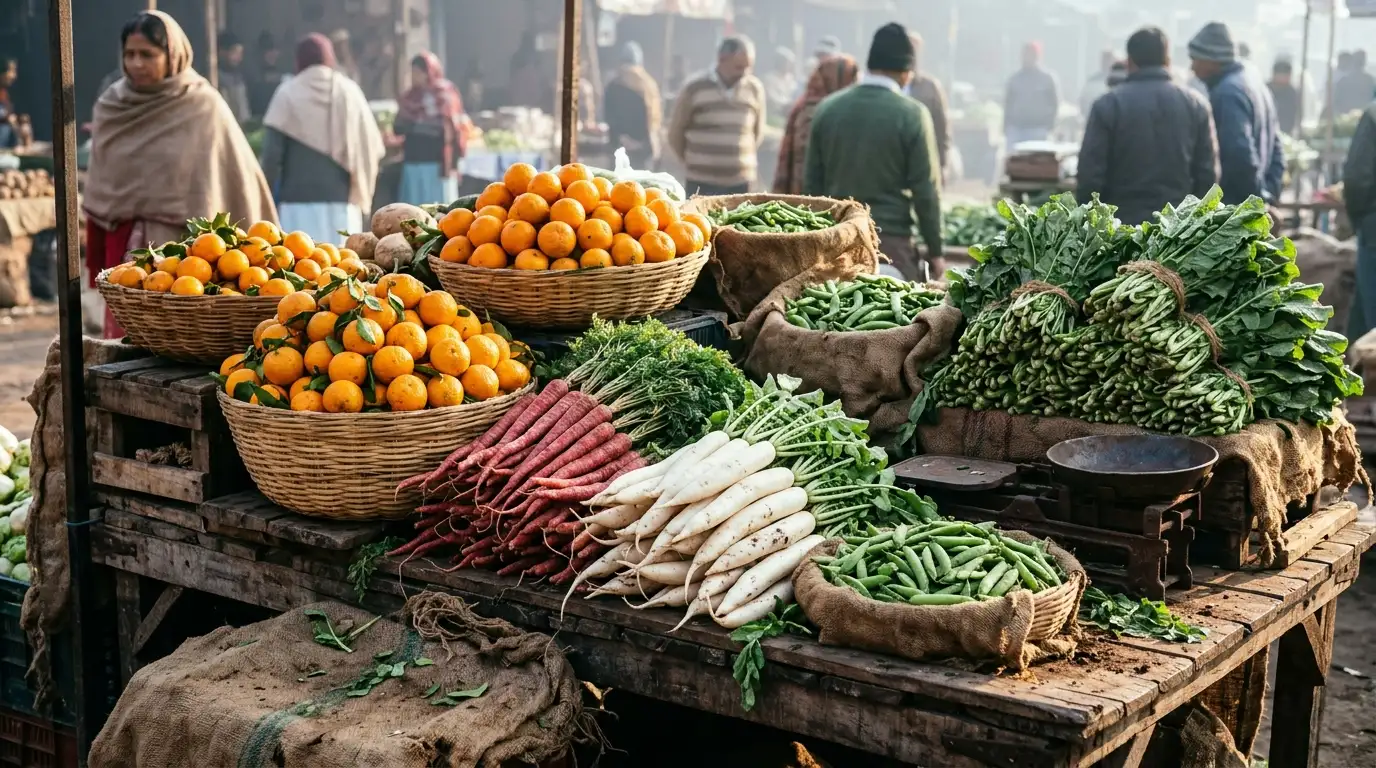
Seasonal produce can add variety to everyday meals. In many parts of Pakistan, winter markets offer vegetables and fruits that are especially popular during the colder months.
Vegetables for everyday meals
Carrots, spinach, cauliflower, cabbage, peas, turnips and radishes can be used in a range of home-cooked dishes. Depending on what your family likes, you might use them for mixed vegetables, daal, rice dishes, soups or simple side dishes.
Potatoes, onions, tomatoes, ginger and garlic remain useful year-round ingredients for many Pakistani recipes. Check your existing supplies before buying more.
Fruits for the season
Kinnow, oranges, guavas and apples are options to consider when they are available at your local market. Buy quantities that your family can eat while the fruit remains in good condition.
Fresh fruit and vegetables are usually better purchased more frequently than long-lasting pantry staples. This helps you avoid buying more than you can store or consume.
3. Ingredients for Soups, Tea and Warm Meals
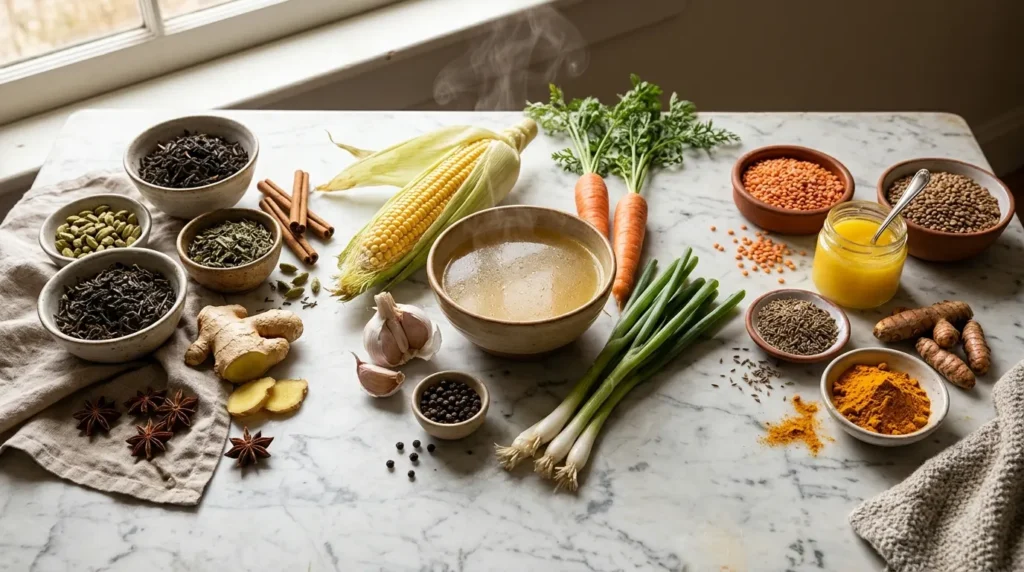
Cold evenings can make hot drinks and simple one-pot meals appealing. You do not need to buy many special products; a few ingredients that work with meals you already prepare may be enough.
| Grocery item | How you might use it |
|---|---|
| Tea leaves | Everyday chai and doodh patti |
| Milk | Tea, porridge and breakfast |
| Ginger | Tea and savoury cooking |
| Black pepper | Soups, eggs and savoury dishes |
| Cornflour | Thickening certain soups and sauces |
| Chicken or vegetable stock | Soup bases, where used |
| Lentils | Daal and thicker soups |
| Pasta or noodles | Quick soup or one-pot meals |
| Bread | Toast, sandwiches and quick breakfasts |
| Eggs | Omelettes, boiled eggs and other meals |
Packaged soup mixes can be convenient, but they are optional. If you buy them, check the serving size, ingredients and salt content on the label. You can also prepare soups using vegetables, lentils or ingredients already in your kitchen.
4. Dry Fruits, Nuts and Winter Snacks
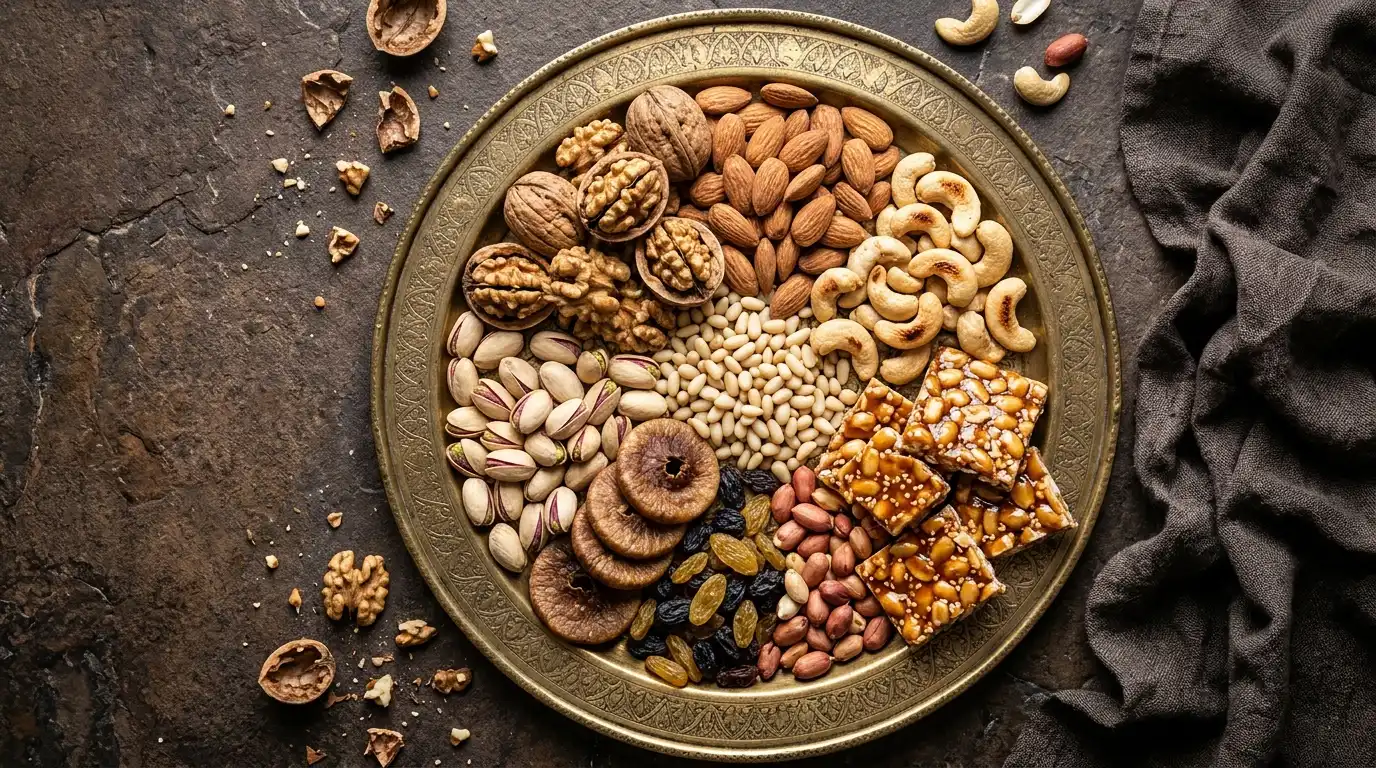
Almonds, walnuts, peanuts, pistachios, raisins and dates are common choices for winter snacks in many Pakistani households. They can also be used in porridge, desserts, or other recipes.
Before purchasing dry fruits, consider how your family normally eats them. Small packs may be more practical if only a few people consume them, while larger packs may suit households that use them regularly.
A simple checklist includes:
- Almonds
- Walnuts
- Peanuts
- Pistachios, if preferred
- Raisins
- Dates
- Other nuts or dried fruit used at home
Store nuts and dried fruits in clean, airtight containers away from heat and moisture. Follow the packaging instructions and discard any product with an unusual smell or visible signs of spoilage.
Dry fruits are optional grocery items rather than a requirement for every winter household. Choose according to taste, budget, and dietary needs.
5. Ingredients for Popular Pakistani Winter Dishes
If your family prepares traditional winter groceries, adding their ingredients to your grocery plan can reduce last-minute shopping.
For gajar ka halwa: Carrots, milk, sugar, ghee, and optional nuts or raisins may be needed, depending on your recipe.
For parathas: Atta, cooking oil or ghee, and any preferred filling ingredients can go on the list.
For saag and roti: Seasonal leafy greens, atta, and the ingredients used in your household’s preferred recipe may be required.
For soups: Vegetables, lentils, chicken, stock ingredients, or noodles can be useful depending on the type of soup you make.
For winter breakfasts: Eggs, milk, bread, oats or the ingredients for your usual breakfast can help you prepare meals without making an extra trip to the shop.
These are examples, not a compulsory shopping list. Add only the ingredients for dishes you actually intend to cook.
6. Dairy, Eggs and Other Fresh Items
Milk, yoghurt, eggs, butter and cheese may be regular purchases for many households during Winter Grocery. The quantity you need depends on your family’s meal routine and how often you shop.
Keep a separate list for refrigerated products so you can buy them closer to when they will be used. Check expiry dates and package condition, and return perishable items to suitable refrigeration promptly after shopping.
For meat, chicken, and fish, plan around your meals and available freezer space. Buy an amount you can store safely, and follow food-safety instructions for refrigeration, freezing and thawing.
7. Household Supplies to Include in Your Winter Grocery Shopping
A winter grocery trip may also be a good time to check household products. These are not food items, but they are often purchased from the same supermarket or grocery shop.
- Laundry detergent
- Dishwashing liquid or bar
- Floor and bathroom cleaner
- Hand wash and soap
- Sunsilk Shampoo and toothpaste
- Tissue paper
- Garbage bags
- Sponges and scrubbers
- Aluminium foil or food-storage bags, if needed
Check cupboards before shopping. Cleaning products and personal-care items may last longer than a month, so do not automatically add a new pack if you already have enough.
Keep cleaning chemicals separate from food, and store them according to their labels.
8. How to Make a Winter Grocery Budget
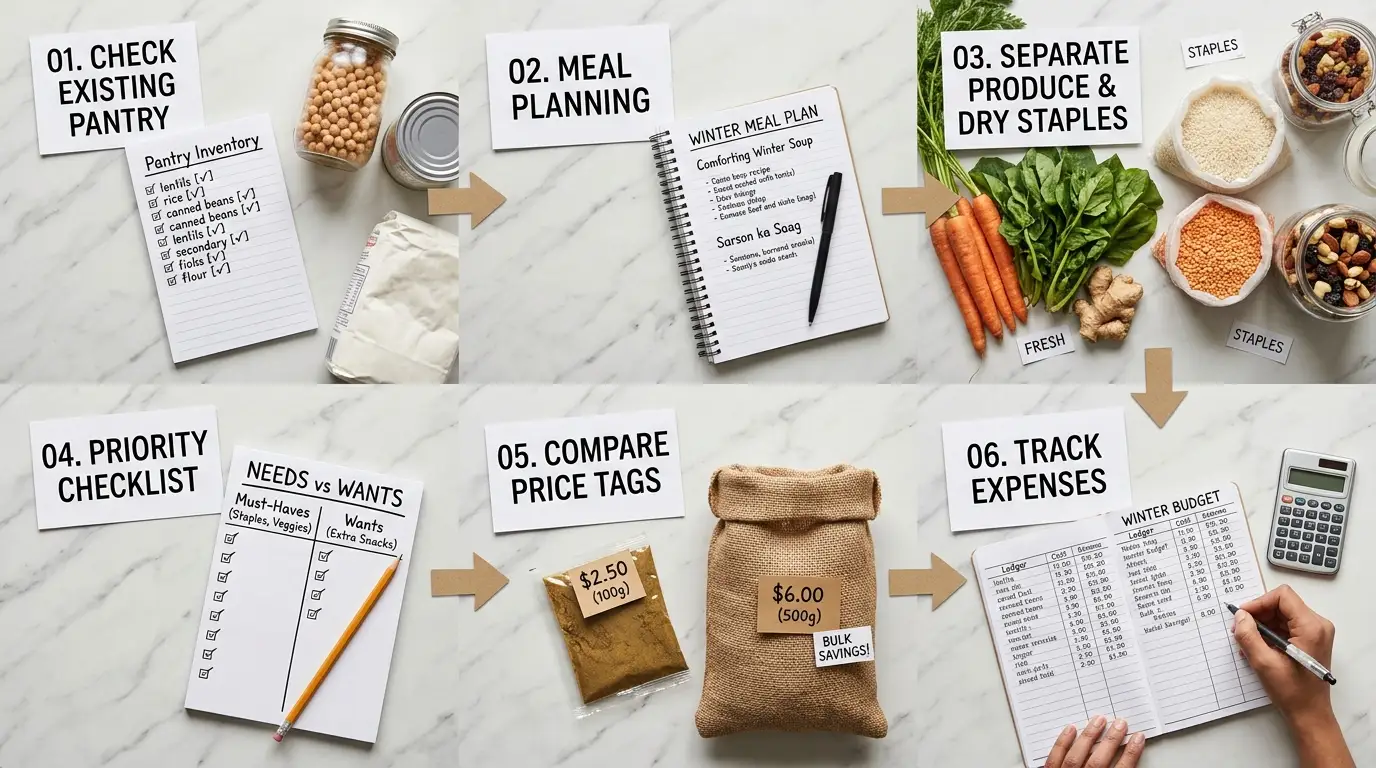
A winter grocery list is most useful when it matches your household’s budget. Seasonal foods, snacks, and speciality ingredients can increase the total if they are added without a plan.
Try this approach before going shopping:
- Check what you already have. Review flour, rice, daal, oil, spices, and other pantry staples.
- Plan a few meals. Decide which dishes you expect to cook during the coming week.
- Separate fresh and long-lasting items. Buy fresh produce as needed, while pantry staples can be purchased according to consumption and storage space.
- Set priorities. Put essential ingredients first, followed by optional snacks, dry fruits, and speciality items.
- Compare pack sizes and prices. Compare the same product and quantity rather than assuming a larger pack always gives better value.
- Keep a record. Note what your household uses during the month and adjust the next shopping list accordingly.
9. How Much Should You Buy for Winter?
There is no single winter grocery quantity that works for every family. Household size, meal preferences, shopping frequency, storage space, and budget all affect how much you need.
For long-lasting items such as rice, flour, daal and cooking oil, review past consumption before deciding on quantities. Fresh fruit, vegetables, milk and other perishable foods are generally better planned around how quickly your family uses them.
If you are preparing a list for the whole month, separate it into two parts:
Monthly or occasional purchases
- Flour, rice and daal, according to consumption
- Cooking oil and selected pantry staples
- Spices and other ingredients that need replacing
- Household cleaning products that are running low
- Optional packaged foods with a suitable shelf life
Weekly or more frequent purchases
- Fresh vegetables and fruit
- Milk, yoghurt and other perishable foods
- Bread and eggs, depending on consumption
- Meat, chicken or fish according to the meal plan
This split can help you avoid overstocking fresh food while keeping everyday essentials available.
10. Copy-and-Use Winter Grocery List
Use the checklist below before your next shopping trip. Remove any item your household does not use and add your own regular products.
Pantry
- Atta
- Rice
- Daal and pulses
- Cooking oil
- Ghee, if used
- Salt and sugar
- Tea or coffee
- Spices
- Ginger and garlic
- Soup ingredients, if needed
Fresh food
- Seasonal vegetables
- Seasonal fruit
- Milk and yoghurt
- Eggs
- Chicken, meat or fish, if required
- Bread or other breakfast items
Winter extras
- Dried fruits or nuts
- Honey or gur, if preferred
- Ingredients for favourite winter dishes
- Packaged soup, noodles or pasta, if used
Household supplies
- Laundry detergent
- Dishwashing product
- Cleaning supplies
- Lux Soap and shampoo
- Toothpaste
- Tissues and garbage bags
Frequently Asked Questions
What should be included in a winter grocery essentials list?
A practical list can include pantry staples, daal, rice, atta, cooking oil, tea, milk, eggs, seasonal fruit and vegetables, soup ingredients, optional dry fruits, and household supplies. Your final list should reflect your household’s usual meals and budget.
Which vegetables are commonly bought in winter in Pakistan?
Depending on the region and availability, winter vegetables may include carrots, spinach, cauliflower, cabbage, peas, turnips, and radishes. Check your local market for fresh seasonal options.
Which fruits can I add to a winter grocery list?
Kinnow, oranges, guavas, and apples are examples of fruits to consider when they are available locally. Buy according to freshness, price, and how much your family can consume.
Should I buy all winter groceries in one trip?
Not necessarily. Long-lasting pantry items may be purchased less frequently, while fresh produce and refrigerated foods usually need more regular shopping. Your storage space and household consumption should guide the schedule.
How can I save money on winter grocery shopping?
Check existing supplies, plan meals, compare prices for equivalent products, prioritise essential items, and buy fresh food in quantities your family can use. Treat snacks and speciality winter foods as optional rather than automatic purchases.
Are dry fruits necessary in winter?
No. Dry fruits and nuts are optional foods that some households enjoy during winter. Include them if they suit your preferences, budget, and dietary needs.
What is the difference between a winter grocery list and a monthly grocery list?
A winter grocery list highlights seasonal ingredients and items you may want during colder months. A monthly grocery list is organised around the household’s expected consumption and shopping budget, regardless of season.
Final Thoughts
A useful winter grocery essentials list should make shopping easier, not encourage unnecessary purchases. Start with the ingredients your family uses every week, add fresh seasonal produce and include winter favourites only when they fit your meal plans.
Check your pantry before shopping, keep fresh food quantities realistic, and use a simple checklist to track what needs replacing. With a little planning, your household can stay organised throughout the winter without buying more than it needs.
Syed Abdul Manan is an SEO expert and WordPress specialist with over 10 years of experience in search engine optimization and WordPress development. He holds a Bachelor of Science in Computer Science (BSCS) and is the Founder & CEO of Grocer.pk, a searchable directory of grocery stores, supermarkets, kiryana shops, and online grocery businesses across Pakistan.
With a technical foundation in computer science, he has spent the past decade working on technical SEO, on-page optimization, content strategy, and building fast, well-structured WordPress websites. For more than six years, he has been developing and managing Grocer.pk, which now covers major cities including Lahore, Karachi, Islamabad and Faisalabad, helping people find nearby stores by city, area and category, along with locations, contact details and map links.
Syed Abdul Manan runs Grocer.pk with a professional, quality-focused approach, combining clean site architecture, structured listings and practical grocery guides to serve both shoppers and business owners. His goal is to help local businesses build a stronger online presence and to help users find reliable local information quickly.
Connect with him on LinkedIn.