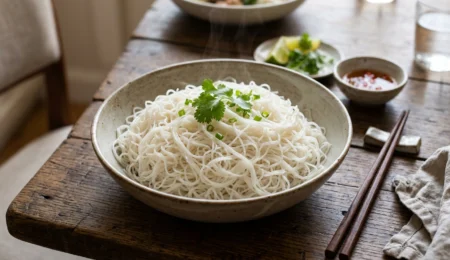
What Is Besan Called in English? Uses and Types
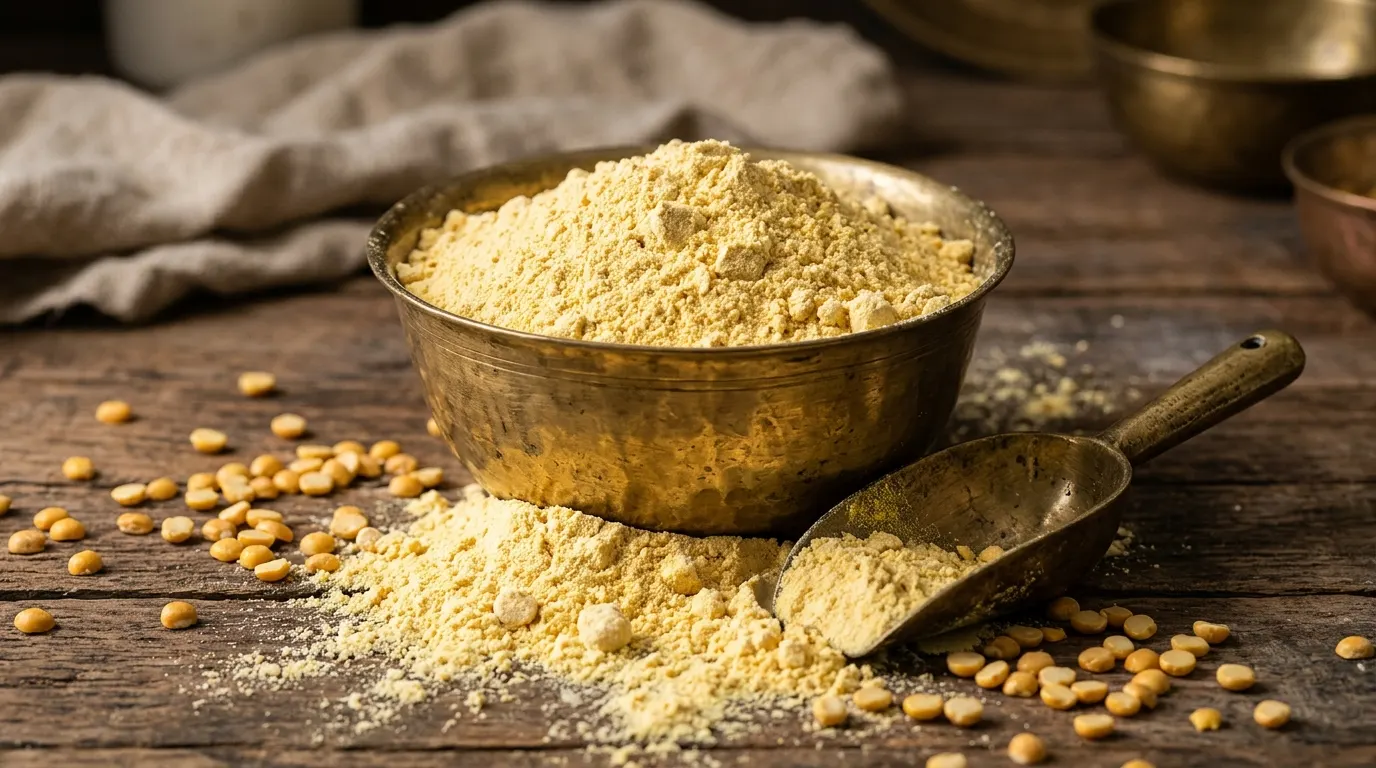
Besan is a common ingredient in Pakistani kitchens. It is used to make crispy pakoras, kadhi, savoury pancakes, and traditional sweets. However, if you are reading an English recipe or shopping on an international grocery website, you may see a different name for this flour.
Besan is commonly called gram flour or chickpea flour in English. It is made by grinding dried chickpeas or Bengal gram into a fine powder. The exact type of chickpea used can vary, which is why the names on different products may not always describe precisely the same flour.
Knowing what besan is called in English can help you choose the right ingredient, understand recipes, and distinguish it from other flours used in everyday cooking.
What Is Besan Called in English?
The two most common English names for besan are gram flour and chickpea flour. You may also see it labelled as besan flour.
In South Asian cooking, besan is traditionally made from chana daal, which comes from desi chickpeas, also known as Bengal gram. Chickpea flour sold in other markets may be made from whole chickpeas, including the larger white Kabuli variety.
These products are closely related and are often used as substitutes, but their texture, colour and cooking behaviour can differ.
Here is a simple explanation of the names:
- Besan: The familiar name used in Pakistan and much of South Asia.
- Gram flour: A common English name for flour made from gram or chickpeas.
- Chickpea flour: A descriptive name for flour produced by grinding chickpeas.
- Garbanzo bean flour: Another name commonly used in some international markets for chickpea flour.
When following a Pakistani recipe, besan is usually the ingredient you need. If a recipe uses the words “gram flour” or “chickpea flour,” check the product description to make sure the flour suits that recipe.
What Is Besan Made From?
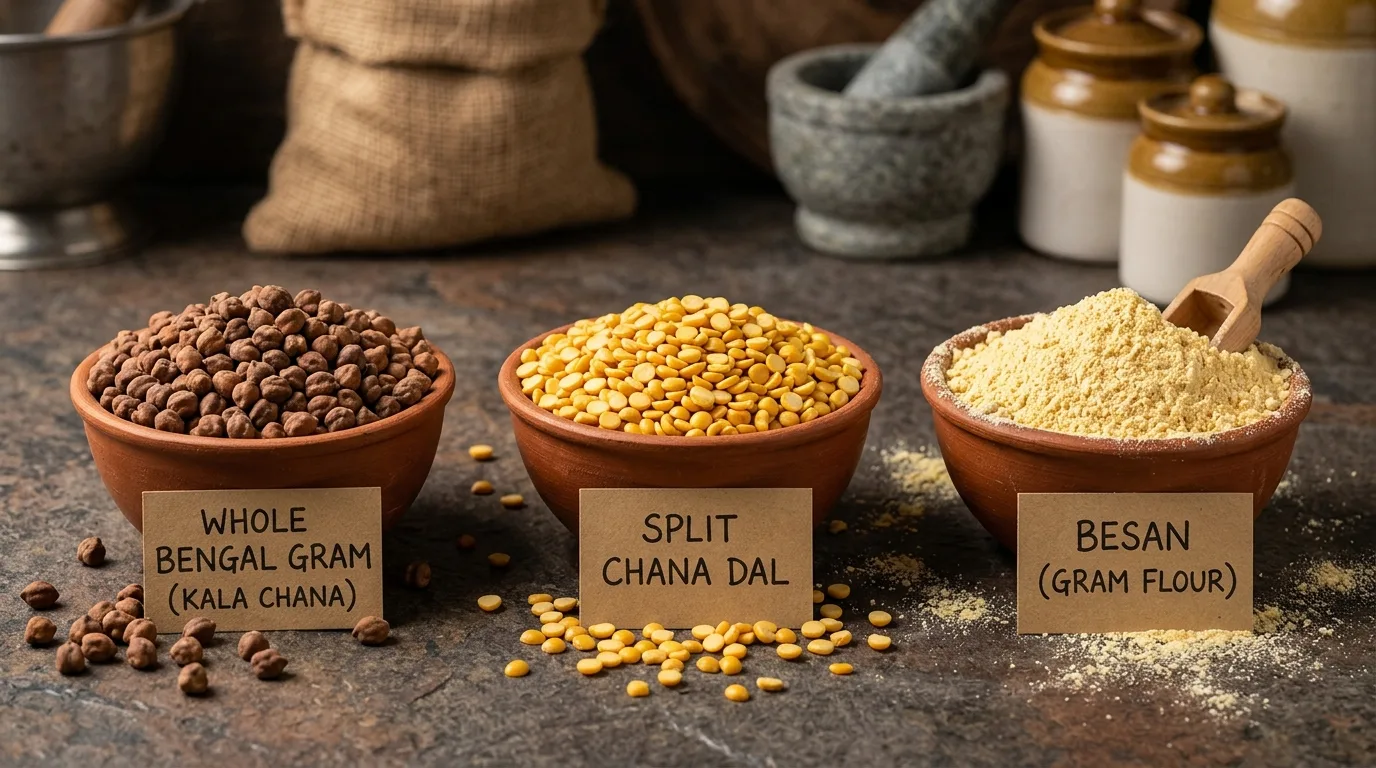
Besan is made from dried chickpeas, commonly desi chickpeas that have been split and processed into chana dal. The dal is ground into a fine flour and may be sifted to achieve the desired texture.
The resulting flour usually has a pale yellow colour and a distinctive earthy, nutty smell. Its texture makes it useful for preparing batters, binding ingredients, and thickening certain dishes.
The manufacturing process can differ between products. Some flours are milled more finely than others, and roasting can change their flavour and colour. This matters when choosing besan for a particular recipe.
Common Uses of Besan in Pakistani Cooking
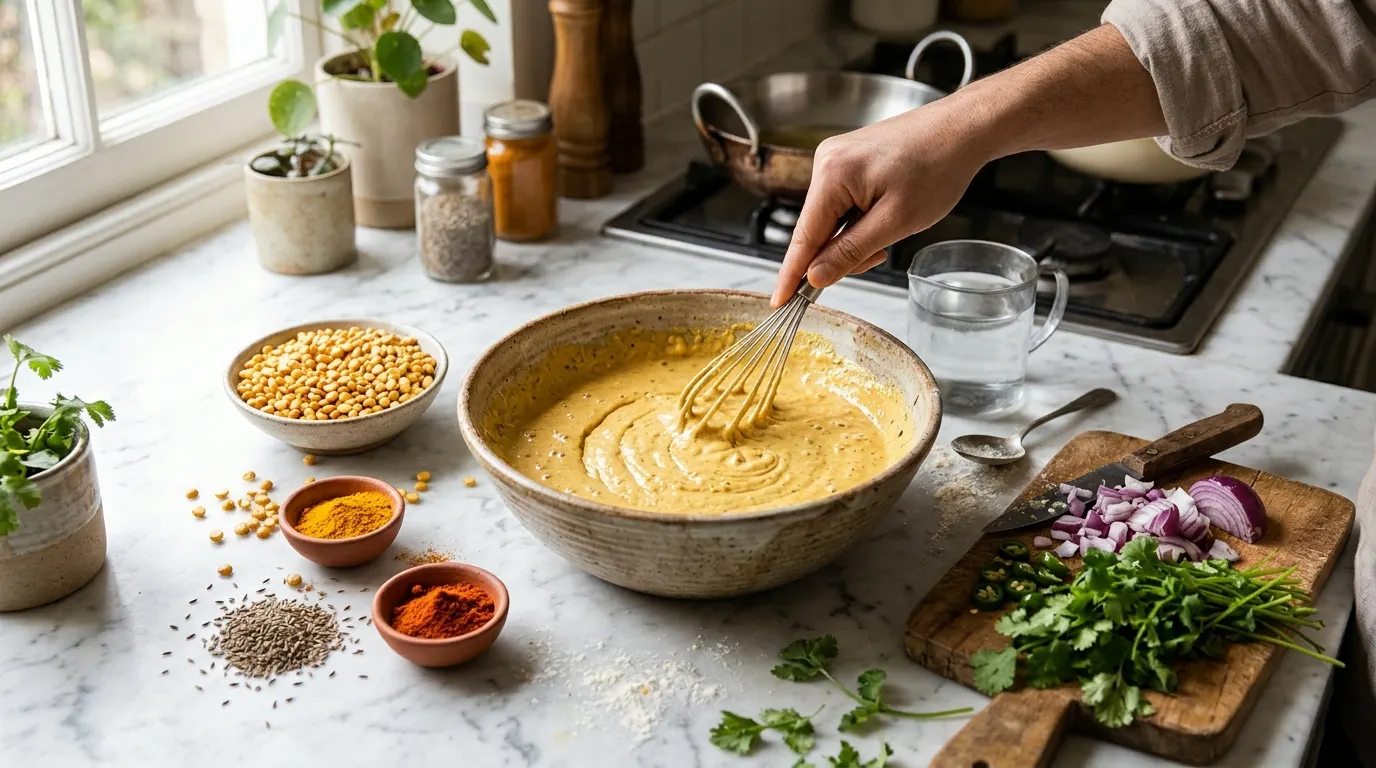
Besan is useful because it can do several jobs in the kitchen. It helps coat vegetables, binds mixtures together, and gives many dishes their characteristic flavour.
1. Pakoras and fried snacks
Besan is widely used to prepare onion, potato, and vegetable pakoras. It is mixed with water and seasonings to form a batter that coats the ingredients before frying.
Its consistency affects how well the batter sticks and how the coating turns out. Adding water gradually helps you avoid a mixture that is too thin or too thick.
2. Kadhi
Besan is an important ingredient in many kadhi recipes. It is mixed with yoghurt and other ingredients to create a base that thickens as it cooks.
Whisking the flour thoroughly before cooking helps reduce lumps and gives the mixture a smoother consistency.
3. Besan chilla
Besan chilla is a savoury pancake made from a seasoned besan batter. Depending on the recipe, it may include onion, tomato, green chilli, and fresh herbs.
It is an option for breakfast or a light meal and can be served with chutney or yoghurt.
4. Traditional sweets
Besan is used in sweets such as besan ladoo and other flour-based desserts. In many recipes, the flour is roasted slowly with ghee before sugar and other ingredients are added.
Roasting changes the raw smell and develops a richer, nuttier flavour. The cooking time and method depend on the recipe.
5. Binding and thickening
A small amount of besan can help hold ingredients together in vegetable mixtures, cutlets and koftas. It is also used to thicken certain curries, sauces and batters.
The amount required varies by recipe, so it is best to add it gradually rather than using a fixed quantity for every dish.
Types of Besan and Chickpea Flour
Not every product sold as chickpea flour is processed in the same way. The main differences usually relate to the chickpea variety, texture, and whether the flour has been roasted.
| Type | Main characteristics | Common uses |
|---|---|---|
| Traditional besan | Usually made from desi chickpeas or Bengal gram | Pakoras, kadhi, chilla and sweets |
| Chickpea flour | May be made from whole chickpeas, including Kabuli chickpeas | Batters, baking and selected international recipes |
| Fine besan | Smooth texture that mixes easily into batter | Pakoras, kadhi and pancakes |
| Coarser chickpea flour | More noticeable graininess | Recipes where a coarser texture is suitable |
| Roasted besan | Heat-treated or roasted flour with a different aroma and flavour | Selected sweets and recipes that call for roasted flour |
These descriptions are general rather than universal product standards. The label may use different wording depending on the manufacturer.
If you are preparing a traditional Pakistani dish, choose a product labelled besan where possible. For an international recipe, check whether it specifies besan, gram flour, or a particular type of chickpea flour.
Besan vs Maida vs Atta
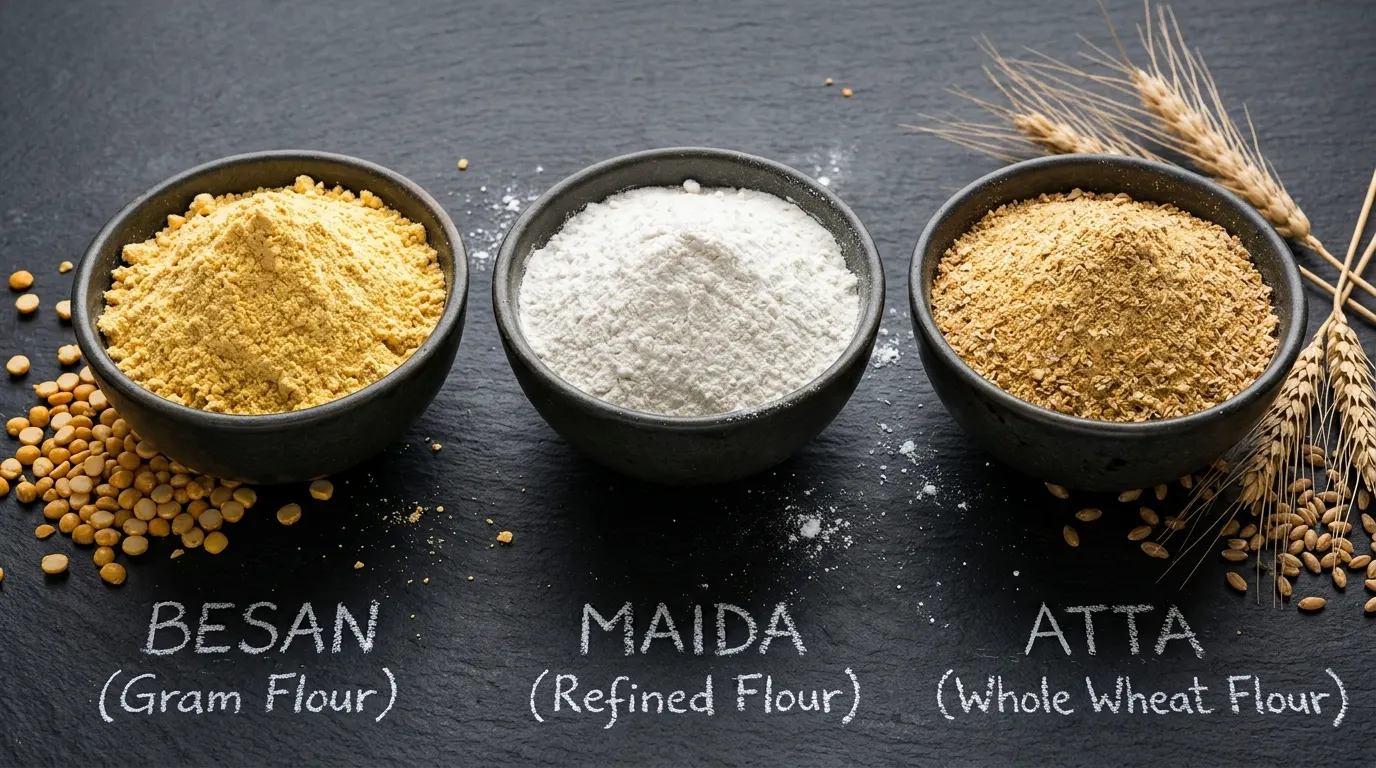
Besan, maida, and atta are all used in everyday cooking, but they come from different sources and serve different purposes.
| Feature | Besan | Maida | Atta |
|---|---|---|---|
| Main source | Chickpeas or Bengal gram | Wheat | Wheat |
| Appearance | Usually pale yellow | Usually white | Usually light brown |
| Texture | Fine, sometimes slightly grainy | Fine and smooth | Varies with milling |
| Common uses | Pakoras, kadhi and sweets | Cakes, pastries and selected breads | Roti, chapati and paratha |
| Gluten | Naturally gluten-free when uncontaminated | Contains gluten | Contains gluten |
One important difference is that besan does not naturally contain wheat gluten, while maida and ordinary wheat atta do. However, packaged besan may be exposed to cross-contact during processing, so anyone who needs to avoid gluten for medical reasons should check the product’s allergen information.
You can read more about different flour types in Grocer.pk’s article on types of atta and flour used in Pakistan.
Is Besan the Same as Chickpea Flour?
The names are often used interchangeably, but there can be a practical difference.
Traditional South Asian besan is commonly made from desi chickpeas or Bengal gram, often in split form. Chickpea flour sold in some international markets may be produced from whole chickpeas, including Kabuli chickpeas.
The differences can affect the colour, taste and texture of the flour. This may matter in recipes where the consistency of the batter is important.
For everyday cooking, one product may work in place of the other, but the result is not guaranteed to be identical. If a recipe specifically calls for besan, using a product labelled besan is a sensible starting point.
How to Choose and Store Besan
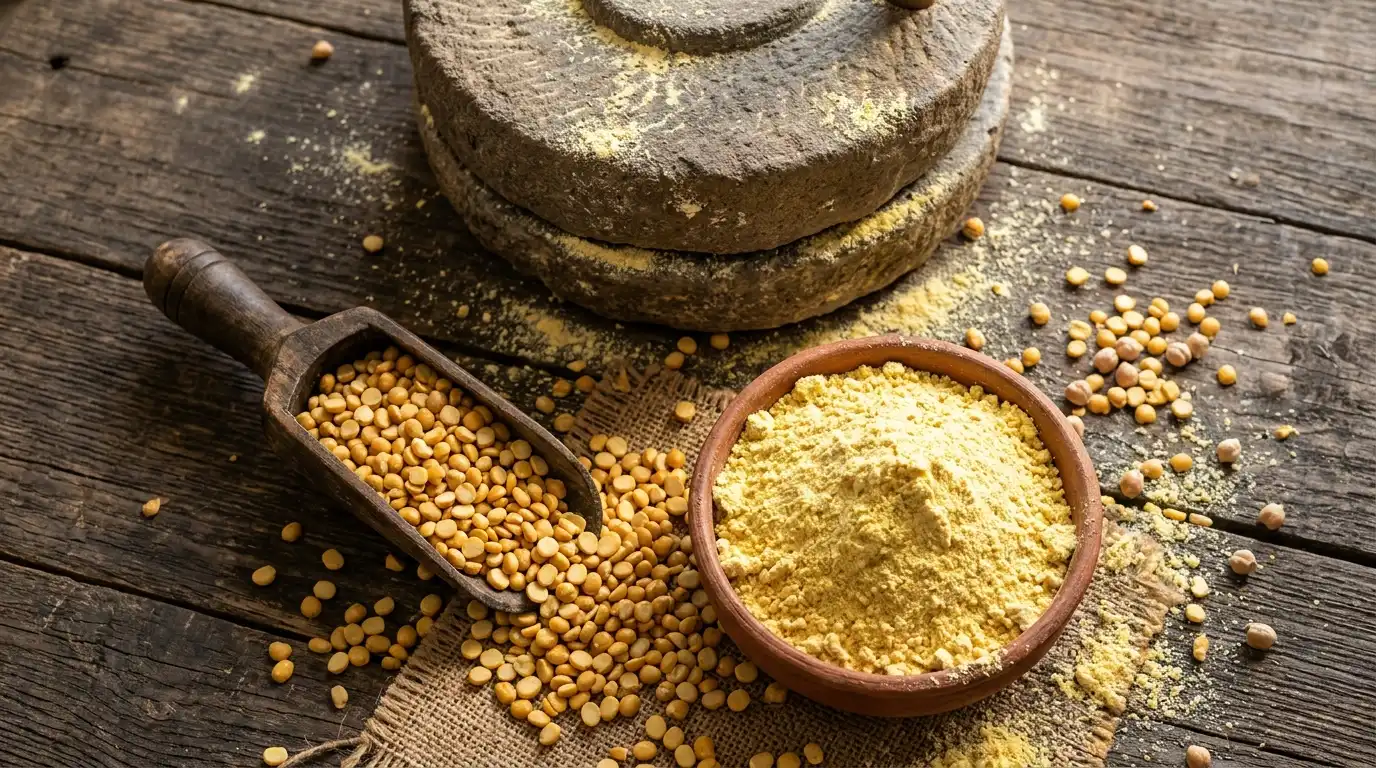
The condition of flour matters because besan can absorb moisture and develop an unpleasant smell if it is stored poorly.
Use these practical checks when buying it:
- Check the packaging: Choose a sealed, undamaged pack and look for the best-before date.
- Read the ingredients: Make sure the product is the type of flour you need and check any allergen information.
- Look for signs of moisture: Flour should not be visibly damp or contain unusual clumps that may indicate moisture exposure.
- Check the smell: Fresh besan generally has a mild, earthy smell. Avoid flour with a rancid or unusual odour.
- Store it properly: Keep it in a clean, airtight container in a cool, dry place, following the manufacturer’s instructions.
If you use besan infrequently, avoid buying more than you can store properly. Once opened, protect it from humidity and pests, particularly in warm weather.
Is Besan Nutritious?
Besan is made from chickpeas, which naturally provide protein, carbohydrates and dietary fibre. Its exact nutritional content depends on the chickpea variety and how the flour is processed.
It can be part of a varied diet, but the nutritional value of a finished dish also depends on the other ingredients and cooking method. For example, pakoras are often deep-fried, while besan chilla may be cooked using a smaller amount of oil.
If you are comparing packaged products, use the nutrition panel to check the serving size, protein, fibre, and energy content instead of assuming all products have identical values.
Frequently Asked Questions
What is besan called in English?
Besan is commonly called gram flour or chickpea flour in English. It is usually made from ground desi chickpeas or Bengal gram.
Is besan the same as gram flour?
The terms are often used for the same ingredient in South Asian cooking. However, the source chickpea and processing method can vary between products, so checking the label is useful.
Is besan made from chana dal?
Traditional besan is commonly made by grinding chana dal, which comes from desi chickpeas or Bengal gram.
Is besan the same as maida?
No. Besan is made from chickpeas, while maida is refined wheat flour. They have different properties and are used in different types of recipes.
Can besan be used instead of wheat flour?
It can replace wheat flour in some recipes, but not all. Besan behaves differently from wheat flour and does not form the same gluten structure, so substitutions can change the texture and consistency of the finished dish.
Does besan contain gluten?
Chickpeas do not naturally contain gluten, so pure besan is naturally gluten-free. However, check packaging and allergen statements for possible cross-contact during manufacturing if you need to avoid gluten strictly.
Can besan be used for pakoras?
Yes. Besan is a common ingredient in pakora batter because it coats vegetables and helps create the familiar texture of the fried coating.
Final Thoughts
Besan in English is commonly known as gram flour or chickpea flour. It is a useful ingredient for pakoras, kadhi, chilla, traditional sweets, and many other recipes.
Although these English names are often used interchangeably, the type of chickpea and the milling process can affect the flour’s texture and cooking behaviour. Checking the label helps you select the right product for your recipe.
Syed Abdul Manan is an SEO expert and WordPress specialist with over 10 years of experience in search engine optimization and WordPress development. He holds a Bachelor of Science in Computer Science (BSCS) and is the Founder & CEO of Grocer.pk, a searchable directory of grocery stores, supermarkets, kiryana shops, and online grocery businesses across Pakistan.
With a technical foundation in computer science, he has spent the past decade working on technical SEO, on-page optimization, content strategy, and building fast, well-structured WordPress websites. For more than six years, he has been developing and managing Grocer.pk, which now covers major cities including Lahore, Karachi, Islamabad and Faisalabad, helping people find nearby stores by city, area and category, along with locations, contact details and map links.
Syed Abdul Manan runs Grocer.pk with a professional, quality-focused approach, combining clean site architecture, structured listings and practical grocery guides to serve both shoppers and business owners. His goal is to help local businesses build a stronger online presence and to help users find reliable local information quickly.
Connect with him on LinkedIn.