
Grocery Shopping Guide: How to Plan Ramadan Shopping in Pakistan
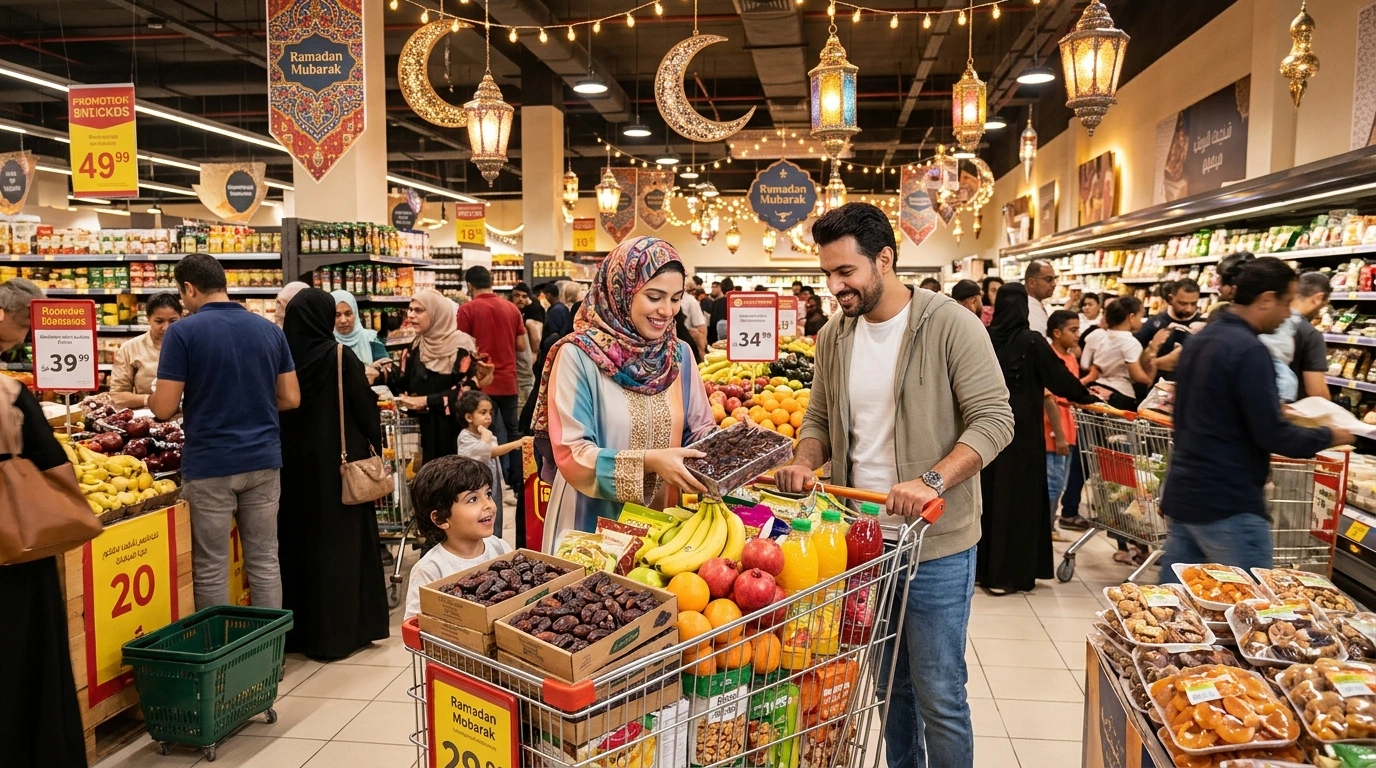
Ramadan Shopping changes the way many households plan meals and buy groceries. Families prepare for sehri and iftar, purchase dates and other seasonal foods, and often need to organise their monthly rashan before the month begins.
Without a plan, it is easy to buy too much of one item, forget everyday essentials, or spend a large part of the budget on snacks and special foods. A better approach is to decide what your household will actually use, separate long-lasting groceries from fresh items, and leave room in the budget for changing needs.
This grocery shopping guide explains how to prepare for Ramadan in Pakistan, what to add to your shopping list, and how to make your grocery budget go further without making meals unnecessarily complicated.
Start With Your Ramadan Meal Routine
Before buying anything, think about the meals your family usually prepares during Ramadan. A household that prefers simple sehri meals will need a different shopping list from one that regularly makes parathas, fried snacks, fruit chaat, and several iftar dishes.
Write down a few typical meals for the week. You do not need to plan every meal for the entire month, but having a rough idea will help you estimate quantities.
For example:
- Sehri: roti, eggs, yoghurt, oats, milk, or other foods your family normally eats.
- Iftar: dates, water, fruit, chana chaat, pakoras, or a simple homemade meal, depending on preference.
- Dinner: daal, sabzi, chicken, rice, roti, or another regular family meal.
- Drinks: water, milk, tea, and occasional homemade drinks such as lemonade or sharbat.
Treat these as examples, not a list of items every household must purchase. Choose food according to your family’s tastes, dietary needs, and budget.
The Ramadan Grocery Checklist
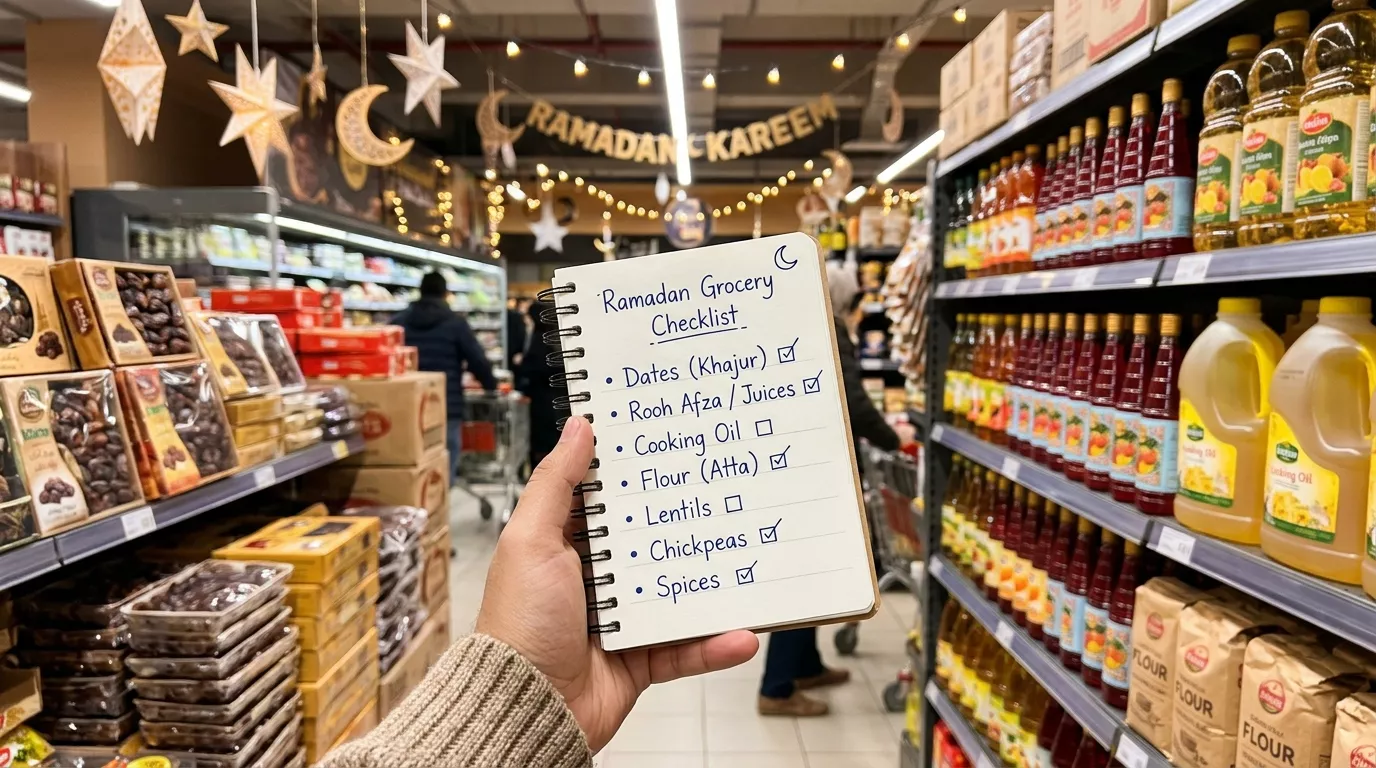
Use this checklist to build your own rashan list. Cross out anything you already have at home and adjust the quantities for your household size.
Pantry essentials
These are commonly used in Pakistani kitchens and may be suitable for monthly shopping if your family consumes them regularly.
- Atta and other frequently used flours
- Rice
- Daal and other pulses
- Cooking oil or ghee
- Sugar, salt and basic seasonings
- Tea and coffee, if used
- Everyday spices
- Besan for recipes such as pakoras
- Chickpeas and other ingredients for chana chaat
- Vermicelli or other ingredients for desserts your family prepares
- Pickles, sauces and other regularly used condiments
Sehri supplies
Choose items that fit your household’s usual breakfast routine.
- Eggs
- Milk and yoghurt
- Atta or bread
- Oats or other breakfast cereals, if preferred
- Cheese or other breakfast ingredients
- Tea
- Fruit that can be stored and consumed safely
Iftar ingredients
Buy the ingredients needed for the dishes your family intends to make rather than purchasing every traditional iftar item.
- Dates
- Bananas, apples, oranges, or other preferred fruit
- Chickpeas and potatoes for chaat
- Besan and cooking oil for occasional fried snacks
- Lemons and mint for homemade drinks
- Ingredients for soups or other light dishes
- Ingredients for your family’s regular dinner
Household and cleaning products
Ramadan shopping may also be a convenient time to check essential non-food supplies.
- Dishwashing liquid
- Laundry detergent
- Handwash
- Kitchen cleaning products
- Tissues and bin bags
- Other household products that are running low
Keep cleaning products separate from food during shopping, storage, and transport.
For a more complete list of everyday household purchases, use Grocer.pk complete grocery items list in Pakistan.
What to Buy Before Ramadan Shopping—and What to Leave for Later
Not every grocery item needs to be purchased in one trip. Splitting the list helps manage storage, freshness, and cash flow.
| Shopping period | Items to consider | Why it helps |
|---|---|---|
| Before Ramadan | Rice, daal, atta, spices, sugar and other regularly used pantry essentials | These are often easier to plan when you know your household’s usual consumption |
| Before Ramadan, as needed | Tea, cooking oil, besan, dates and packaged ingredients used regularly | You can check existing supplies and buy appropriate quantities |
| Weekly | Fruit, vegetables, bread, milk and other fresh items | Quantities can be adjusted according to actual use |
| During the month | Ingredients for a planned family meal or special occasion | Avoids storing large amounts of food that may not be needed |
| Near the end of the month | Only the items running low, plus planned Eid ingredients | Helps prevent duplicate purchases and leftover stock |
This is a flexible framework rather than a strict timetable. Shelf life, storage space, local prices, and family consumption should determine when you buy each item.
How to Set a Ramadan Grocery Budget
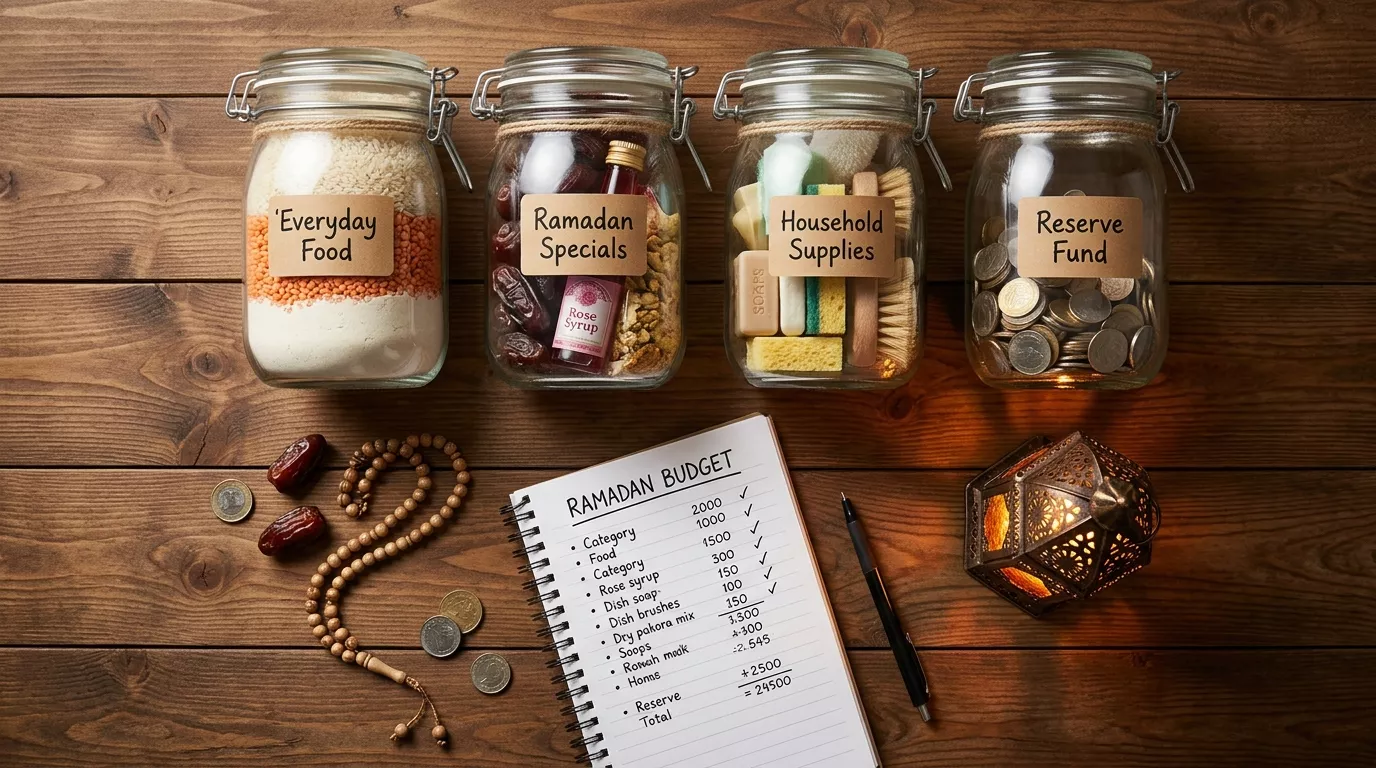
The first step is to decide how much your household can reasonably spend on groceries for the month. Use previous shopping receipts or your usual monthly spending as a starting point instead of setting a figure based only on what other families spend.
Then divide your budget into categories:
1. Everyday food: atta, rice, pulses, cooking oil, milk, eggs, and other regular ingredients.
2. Ramadan-specific food: dates, extra fruit, besan, chickpeas, drink ingredients, and foods you usually purchase specifically for Ramadan.
3. Household supplies: cleaning products and other essentials included in your grocery budget.
4. A small reserve: money for items you may need to replace or purchase later in the month.
Keep your list and receipts so you can see where the money goes. If the first shopping trip uses most of your budget, review the remaining list and prioritise essential items.
For more help setting a realistic household spending limit, read Grocer.pk’s Grocery Budget in Pakistan guide.
Shop Smarter When Prices and Promotions Differ
Ramadan promotions can make some products attractive, but a discount does not automatically mean you are saving money. Compare the price and quantity of the same or equivalent product before buying.
A few habits can help:
- Compare unit prices. Check the price per kilogram, litre, or individual item where possible.
- Check the pack size. A discounted smaller pack may cost more per unit than a regular larger pack.
- Buy according to consumption. A large pack only provides value if your household will use it appropriately.
- Check dates and packaging. Make sure packaged food is sealed and its date information is suitable for your needs.
- Compare more than one seller. Prices and promotions may differ between local grocery shops, supermarkets and online retailers.
- Do not buy just because an offer is available. If the item is not on your list and is unlikely to be used, it may add unnecessary expense.
The Pakistan Bureau of Statistics publishes price information, including a weekly Sensitive Price Indicator that tracks selected essential commodities. You can consult its official price statistics page for broader price-trend information. Remember that a national indicator is not a guarantee of the price at a particular shop.
Fresh Fruit, Vegetables and Dates: Avoid Buying Too Much at Once
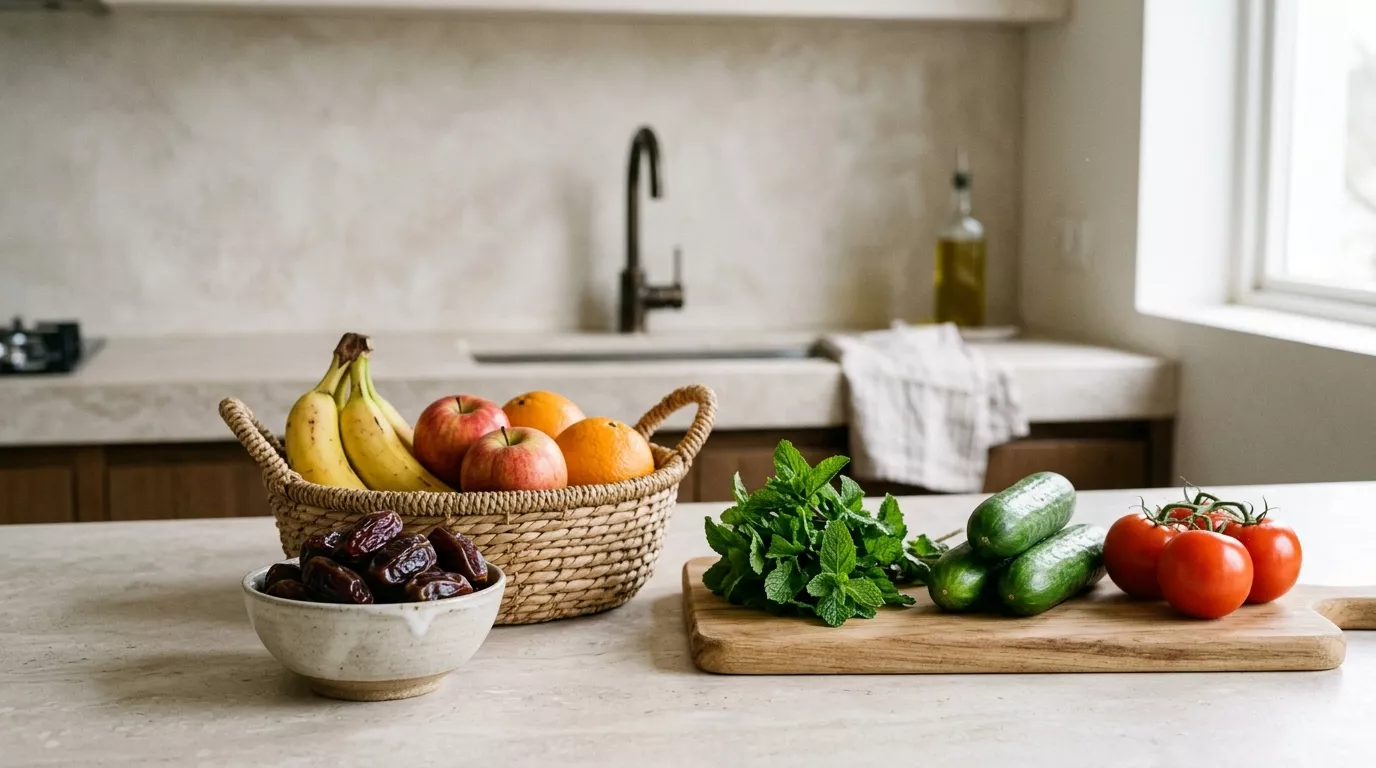
Fresh foods are an important part of many Ramadan meals, but they need a different shopping approach from dry pantry goods.
Start with the quantities your family can reasonably consume over several days. If fruit is a regular part of iftar, estimate how much is needed rather than filling the fridge with several varieties at once.
Before buying more vegetables, check what is already in the fridge. Use suitable ingredients that need attention soon, and plan meals around them. Buy additional produce during the week as required.
For dates, check the packaging, condition, and storage guidance. Different varieties can vary in price and texture, so choose according to your preference and budget rather than assuming the most expensive option is necessary.
The same principle applies to milk, yoghurt, bread, and other perishable foods. Buy quantities that can be stored safely and used within an appropriate period.
Keep Iftar Simple Without Losing Variety
A large spread is not necessary every day. A few planned dishes can provide variety while keeping preparation and shopping manageable.
For example, you could prepare dates and water, serve fruit, and make one homemade snack alongside your usual dinner. On another day, you might prepare chana chaat or a soup instead of making several fried items.
Use overlapping ingredients where practical. Chickpeas can be used in chana chaat and other meals; yoghurt may be used at sehri or as part of a savoury dish; and vegetables can contribute to more than one planned meal.
This does not mean your family must avoid traditional foods. It simply means you can decide in advance which dishes are worth making and purchase the ingredients accordingly.
If you buy ready-made snacks, compare their cost with the ingredients and time needed to prepare them at home. The best choice depends on your budget, preferences, and schedule.
Avoid These Common Ramadan Shopping Mistakes
Buying everything in one trip. A large shopping trip can be useful for pantry essentials, but fresh items may need to be purchased in smaller quantities.
Ignoring what is already in the kitchen. Duplicate packets of spices, rice, sugar, or cooking oil can tie up money and storage space.
Overestimating how much the family will eat. A long list of possible dishes can lead to unused ingredients. Plan around realistic meals.
Treating every discount as a saving. An offer on a product you do not need increases the total bill rather than reducing it.
Forgetting everyday meals. Ramadan shopping should cover regular household food as well as special iftar ingredients. Do not spend the entire budget on seasonal extras.
Leaving Eid shopping until the last minute. If your family plans to prepare special meals or desserts for Eid, include the necessary ingredients in a separate list and buy suitable shelf-stable items when practical.
A Simple Weekly Ramadan Shopping Routine
Use this short routine once a week to keep your plan on track.
- Check the pantry, fridge, and freezer.
- Review the meals planned for the coming days.
- Write down only the missing ingredients.
- Set a spending limit for the trip.
- Compare prices for important items.
- Store groceries properly when you return.
- Keep the receipt and note any items that were wasted or bought unnecessarily.
At the end of the week, adjust the next list based on what your household actually used. After a couple of weeks, you should have a clearer idea of which quantities work for your family.
For more practical ideas, visit the Grocer.pk Blog and browse the supermarkets directory or grocery stores directory when comparing shopping options.
Frequently Asked Questions
What should I buy for Ramadan shopping in Pakistan?
Start with everyday pantry essentials such as atta, rice, pulses, cooking oil, spices, and tea. Add the ingredients your household uses for sehri and iftar, including dates, fruit, eggs, milk, yoghurt, and items for planned meals. Adjust the list to your family’s preferences and budget.
When should I do Ramadan grocery shopping?
It can help to buy suitable long-lasting essentials before Ramadan, then purchase fresh food weekly or as needed. This spreads out spending and makes it easier to manage quantities and storage.
How can I save money on Ramadan shopping?
Set a budget, check existing supplies, prepare a meal-based list, compare unit prices, and avoid unnecessary purchases. Keep receipts so you can adjust your plan as the month progresses.
Should I buy all fruit and vegetables before Ramadan?
Usually, it is more practical to purchase fresh produce according to your household’s expected use and storage capacity. Buying smaller quantities more frequently can help reduce waste.
How much grocery budget is needed for Ramadan?
There is no single budget that fits every Pakistani household. Spending depends on family size, location, food preferences, existing pantry supplies, and how often you buy meat, fruit, packaged products, and special foods. Use your normal grocery spending as a starting point and add a realistic amount for your Ramadan meal plan.
Is online grocery shopping useful during Ramadan?
It can be convenient if the retailer serves your area and the total cost works for your budget. Compare product prices, delivery charges, pack sizes, and availability with local stores before placing an order.
How can I avoid wasting food during Ramadan?
Plan meals before shopping, purchase realistic quantities, store food properly, and use suitable ingredients already in the kitchen. Prepare portions that match your household’s needs and handle leftovers safely.
Final Thoughts
Good Ramadan shopping is about preparation, not buying the largest possible quantity of food. A realistic grocery checklist, a clear budget, and a weekly plan for fresh ingredients can help your household stay organised throughout the month.
Buy the essentials your family regularly uses, plan special iftar meals selectively, compare prices before taking advantage of promotions, and review your supplies before every shopping trip. This approach keeps grocery decisions practical while leaving room for the meals and traditions that make Ramadan special.
Syed Abdul Manan is an SEO expert and WordPress specialist with over 10 years of experience in search engine optimization and WordPress development. He holds a Bachelor of Science in Computer Science (BSCS) and is the Founder & CEO of Grocer.pk, a searchable directory of grocery stores, supermarkets, kiryana shops, and online grocery businesses across Pakistan.
With a technical foundation in computer science, he has spent the past decade working on technical SEO, on-page optimization, content strategy, and building fast, well-structured WordPress websites. For more than six years, he has been developing and managing Grocer.pk, which now covers major cities including Lahore, Karachi, Islamabad and Faisalabad, helping people find nearby stores by city, area and category, along with locations, contact details and map links.
Syed Abdul Manan runs Grocer.pk with a professional, quality-focused approach, combining clean site architecture, structured listings and practical grocery guides to serve both shoppers and business owners. His goal is to help local businesses build a stronger online presence and to help users find reliable local information quickly.
Connect with him on LinkedIn.