12 Types of Dry Fruits in Pakistan (Names in English & Urdu)
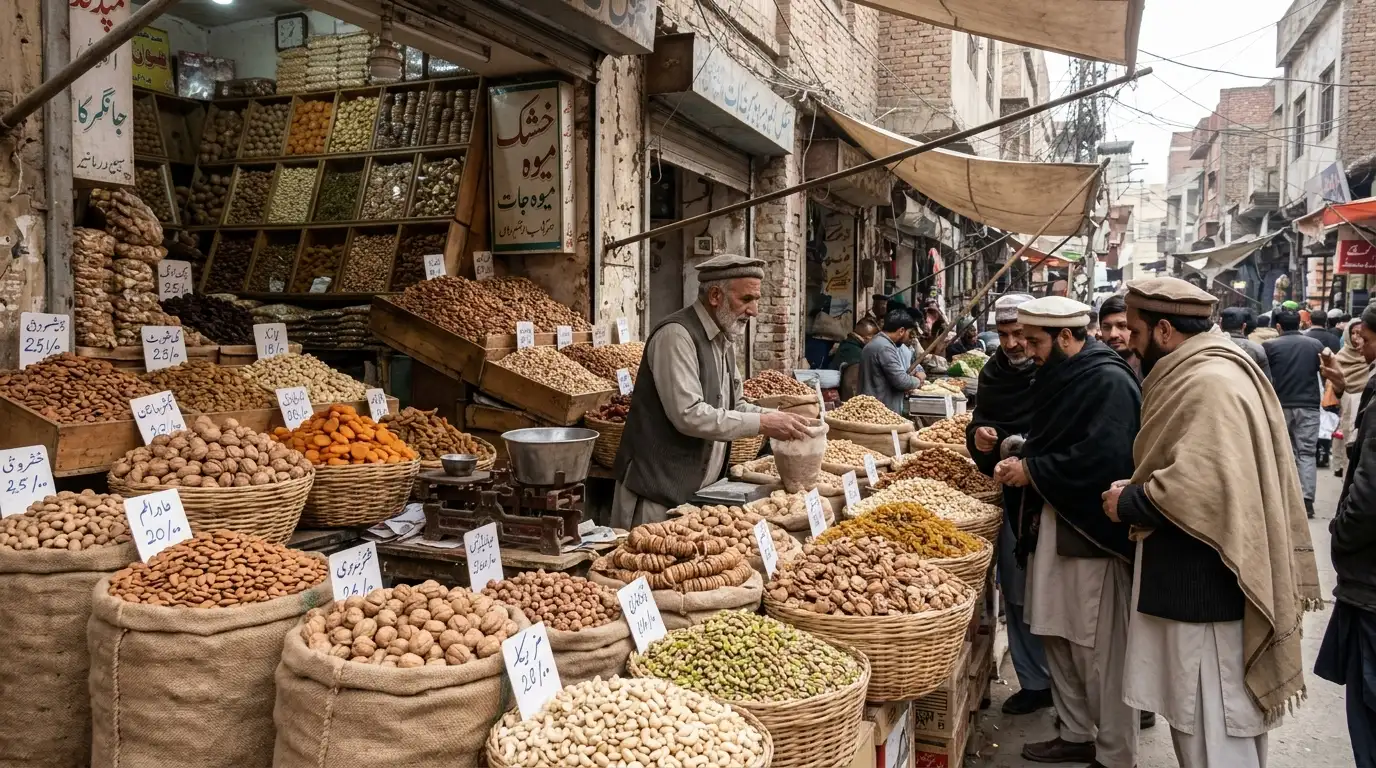
Dry fruits are popular in Pakistan throughout the year, but demand often increases during winter, Ramadan, and the wedding season. From almonds and walnuts to dates, raisins, pistachios, and dried figs, Pakistani shops offer a wide range of options for snacking, cooking, desserts, and gifting.
However, the term “dry fruits” covers different kinds of foods. Some are nuts, such as almonds and cashews, while others are fruits that have been dried, such as raisins, figs, and dried apricots. Their taste, texture, storage requirements, and uses are not the same.
Whether you are buying a small pack for everyday use or preparing a mixed dry fruit box for your family, knowing what to look for can help you make a better purchase. This guide covers common dry fruits in Pakistan, their uses, buying considerations, and practical storage tips.
What Are Dry Fruits?
Dry fruits are commonly understood as fruits and nuts that are sold in dried form. In Pakistan, the term is widely used for both dried fruits and edible nuts, even though they are technically different food groups.
There are two main categories:
Nuts: These include almonds, walnuts, pistachios, cashews, and chilgoza. They are generally rich in fats and provide protein and other nutrients.
Dried fruits: These include raisins, dates, dried figs, dried apricots, and dried mulberries. They contain less water than fresh fruit and are often naturally sweet.
Some shops also include peanuts, coconut, and seeds in their dry fruit collections. These products have their own characteristics, so it is useful to check exactly what a mixed pack contains.
Popular Types of Dry Fruits Available in Pakistan
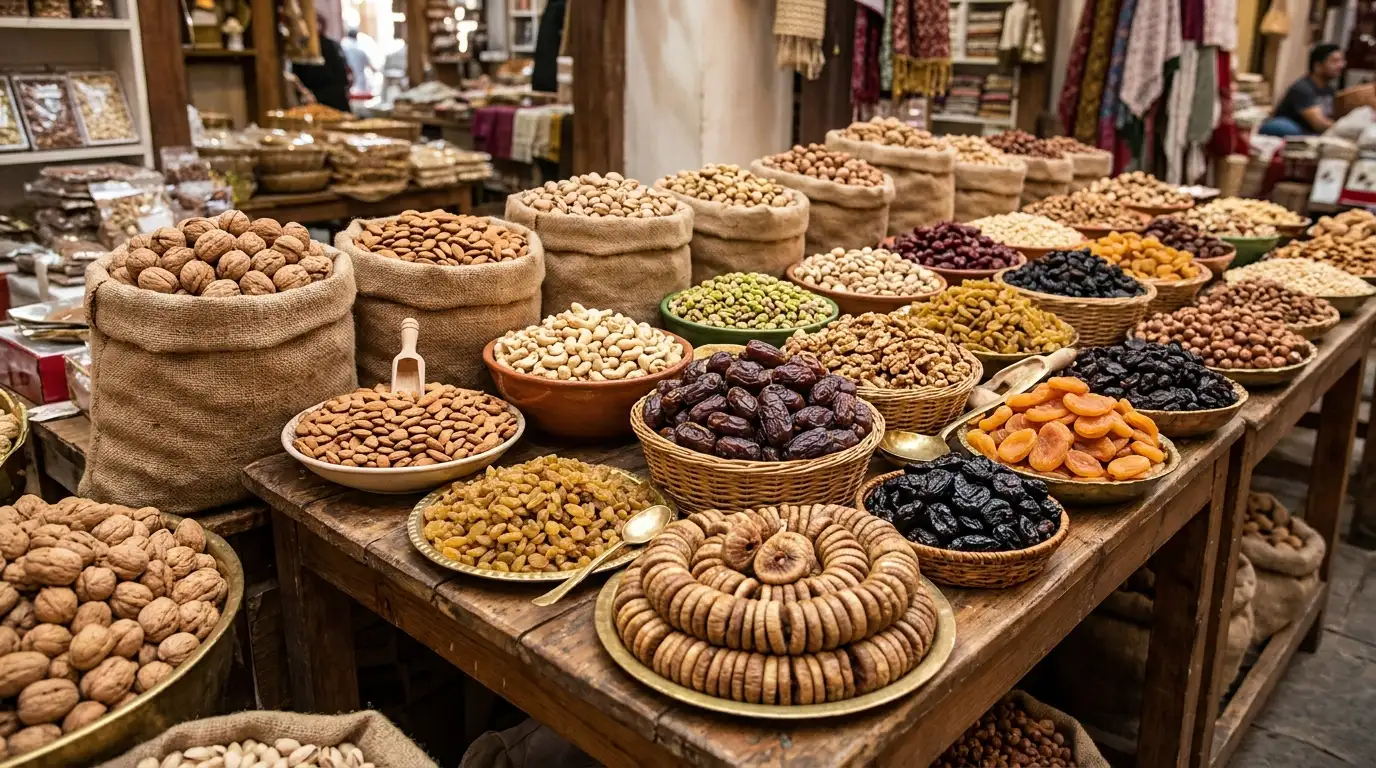
Different varieties are available in local markets, dry fruit shops, supermarkets, and online stores. Here are some of the common options.
1. Almonds (Badam)
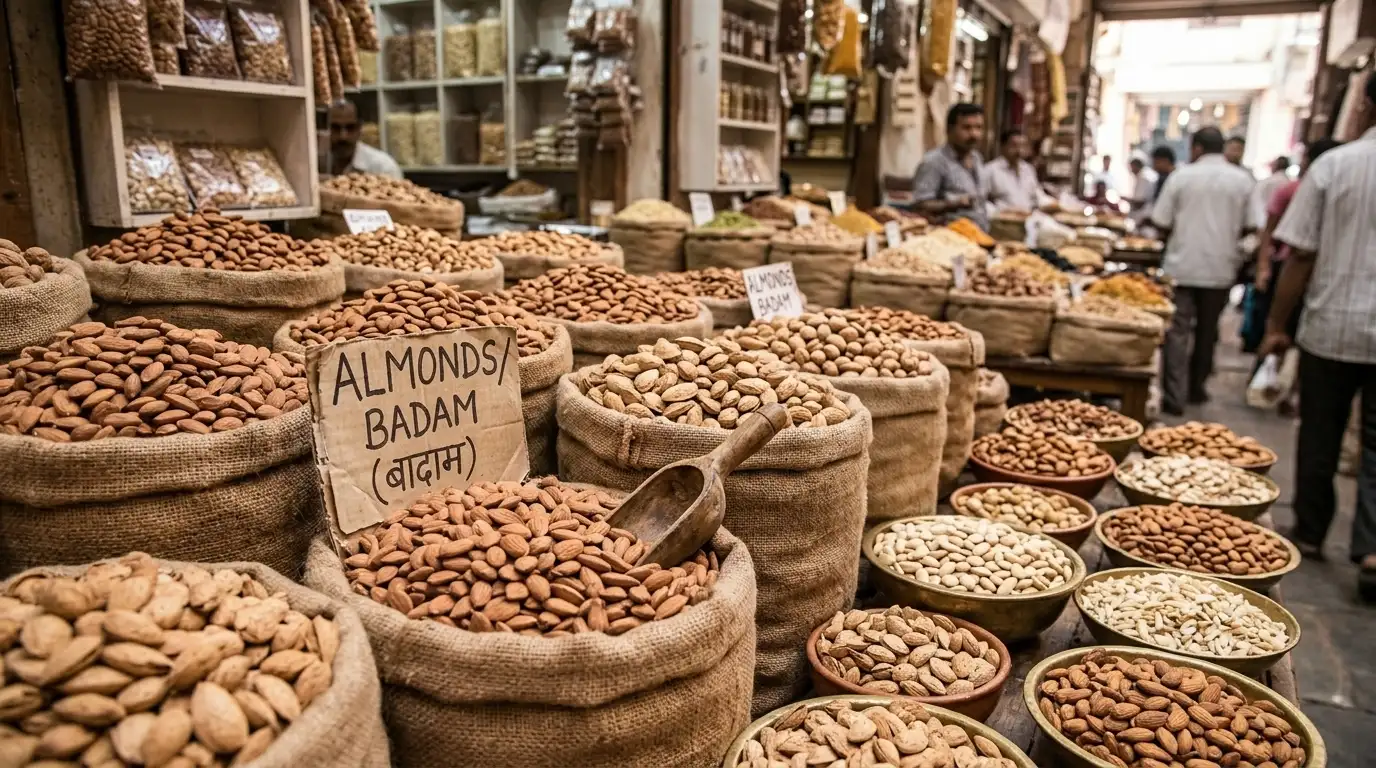
بادام (Baadaam)
Almonds are among the most commonly purchased dry fruits in Pakistan. They are sold with or without shells and may be available raw, roasted, salted, or unsalted.
Almonds have a firm texture and mild, slightly sweet flavour. They are used in everyday snacking as well as traditional Pakistani desserts.
Common uses:
- Eating as a snack
- Adding to kheer and sheer khurma
- Garnishing halwa and other desserts
- Mixing with other nuts and dried fruits
- Chopping into breakfast dishes
When buying almonds, compare their size, freshness, condition, and whether they are whole or broken. A larger almond is not automatically better quality.
2. Walnuts (Akhrot)
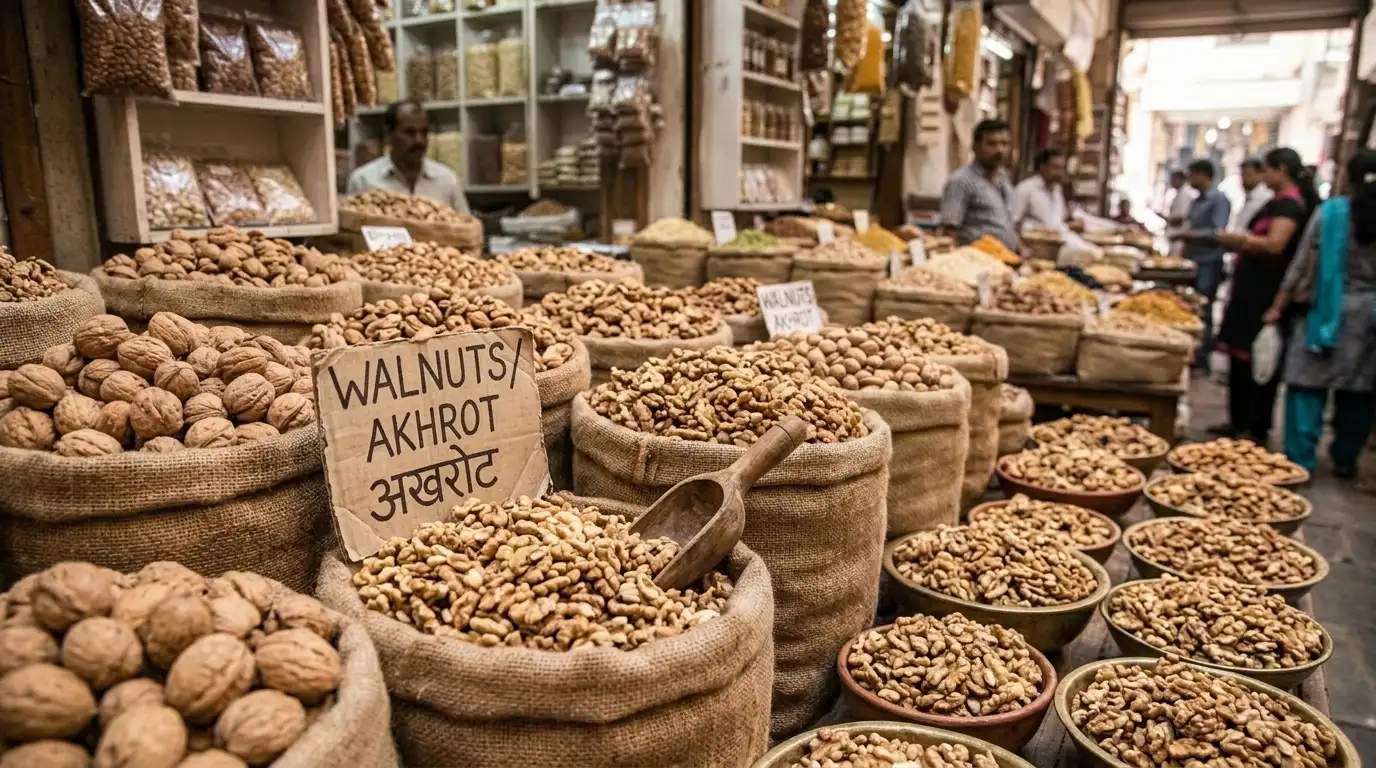
(Akhrot) اخروٹ
Walnuts are sold either in their hard shells or as separated kernels, commonly called akhrot giri. Their kernels have a distinctive shape and a slightly earthy, rich flavour.
Walnuts are commonly used in winter snacks, baking, desserts, and homemade nut mixes.
Common uses:
- Eating as a snack
- Adding to cakes and biscuits
- Mixing into breakfast or porridge
- Garnishing desserts
- Preparing mixed dry fruit packs
Walnuts contain natural oils, so freshness matters. Avoid kernels with an unusual bitter taste, stale smell, visible mould, or dampness.
3. Pistachios (Pista)
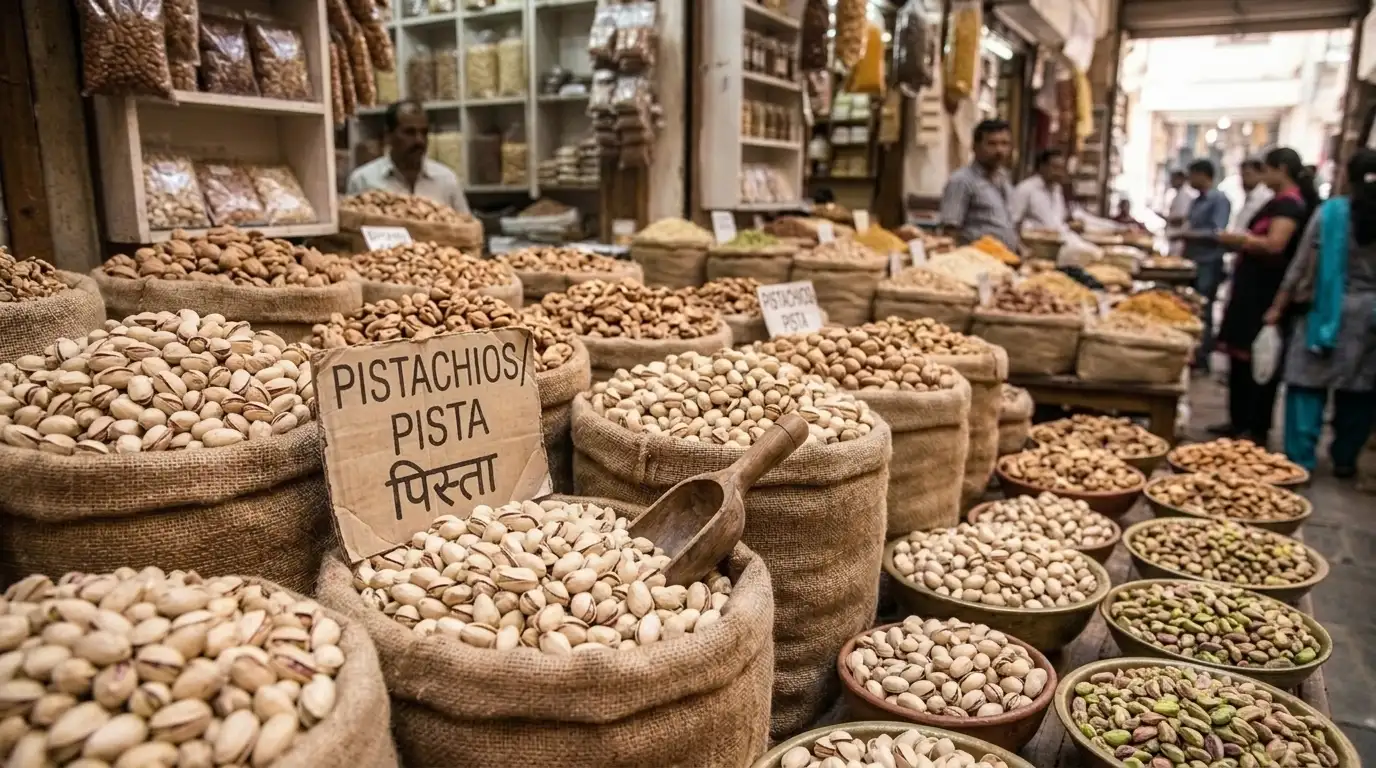
پستہ
Pistachios are popular for their green kernels and distinctive flavour. They are available in-shell or shelled, and some varieties are sold roasted, salted, or unsalted.
Pistachios are often used in Pakistani sweets and desserts, although many people also enjoy them as a snack.
Common uses:
- Garnishing kheer and sheer khurma
- Adding to kulfi and ice cream
- Preparing mixed nuts
- Eating as a snack
- Decorating mithai and desserts
If you are buying pistachios for cooking, unsalted kernels may be more suitable. For snacking, roasted or salted versions are also available.
4. Cashews (Kaju)
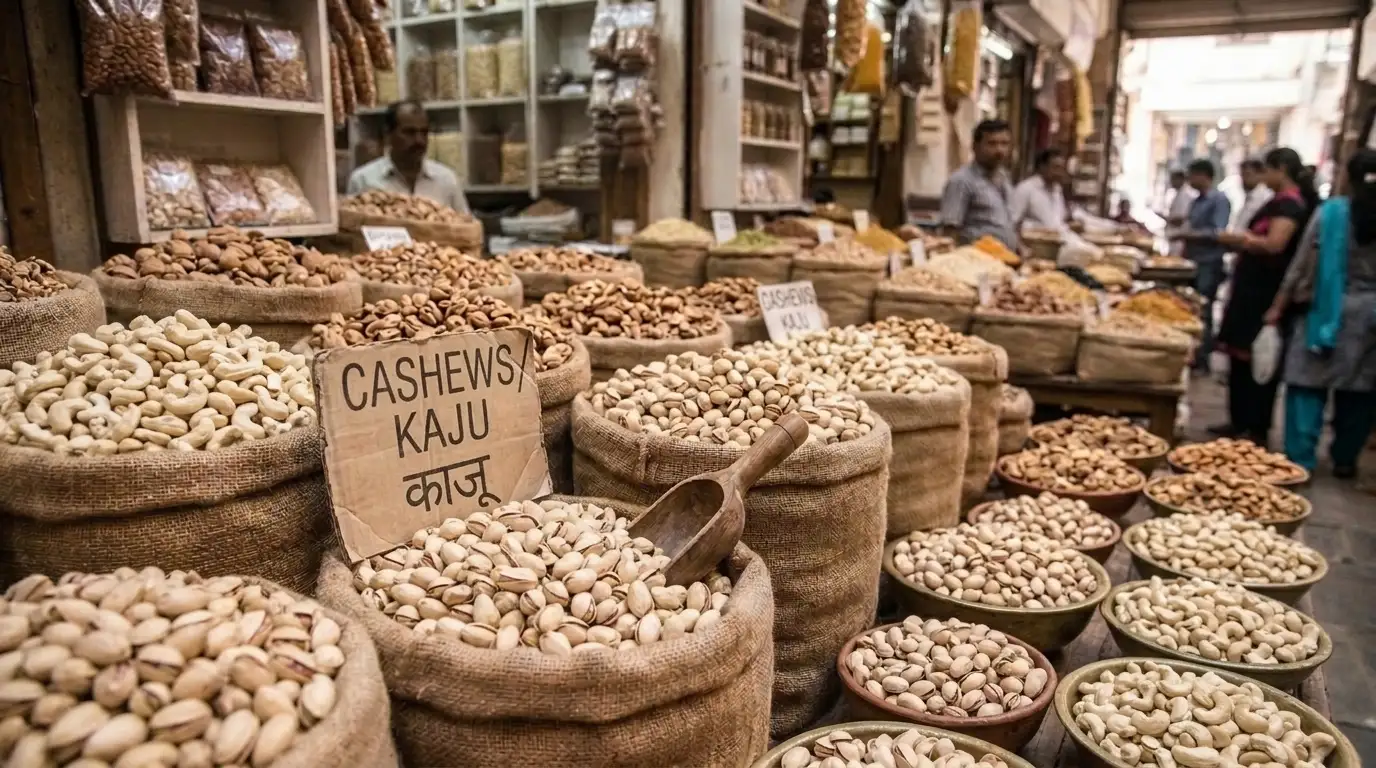
کاجو
Cashews have a curved shape, creamy texture, and mild flavour. They are commonly sold whole, broken, roasted, salted, or unsalted.
Whole cashews are often selected for serving and gifting, while broken pieces can be useful in cooking and baking.
Common uses:
- Eating as a snack
- Adding to pulao and other rice dishes
- Preparing desserts
- Using in cakes and biscuits
- Making nut mixes
Check whether the pack contains whole cashews or broken pieces. These are different product grades and may have different prices.
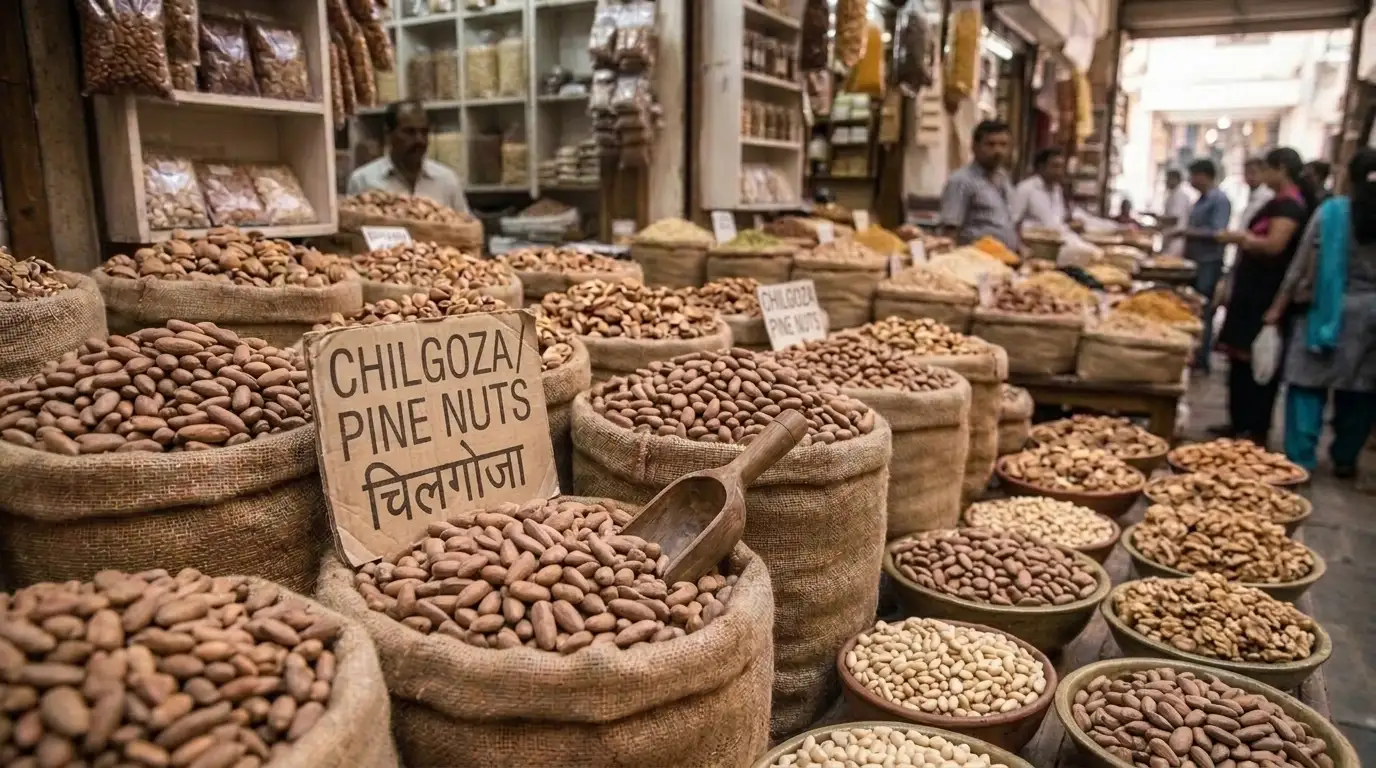
5. Chilgoza (Pine Nuts)
چلغوزہ
Chilgoza is a premium dry fruit commonly associated with northern Pakistan. It is the edible seed of certain pine trees and is generally sold in its shell or as shelled kernels.
Its rich flavour and relatively high price make it a special purchase for many households.
Common uses:
- Eating as a snack
- Adding to mixed dry fruit packs
- Garnishing desserts
- Using in selected traditional recipes
Because chilgoza is often more expensive than everyday nuts, compare the actual weight, shell condition, and amount of edible kernel before buying.
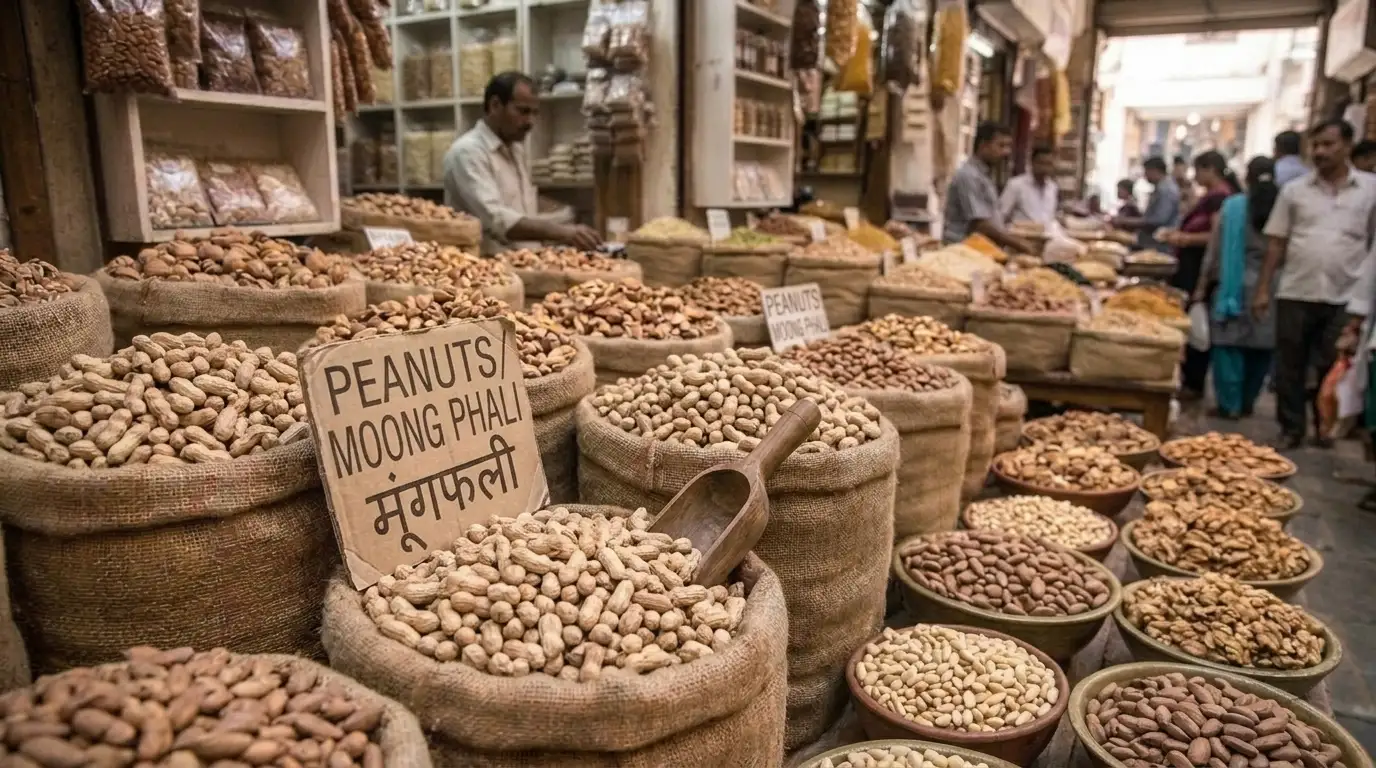
6. Peanuts (Moong Phali)
مونگ پھلی
Peanuts are widely available in Pakistan, particularly during winter. They are technically legumes rather than tree nuts, but many shops sell them alongside other dry fruits.
They are available raw, roasted, salted, and sometimes in their shells.
Common uses:
- Winter snacking
- Preparing homemade snack mixes
- Adding to selected sweet and savoury recipes
- Eating roasted with tea
Compare plain and salted varieties according to your preference. Check the packet for added oil, salt, and other ingredients.
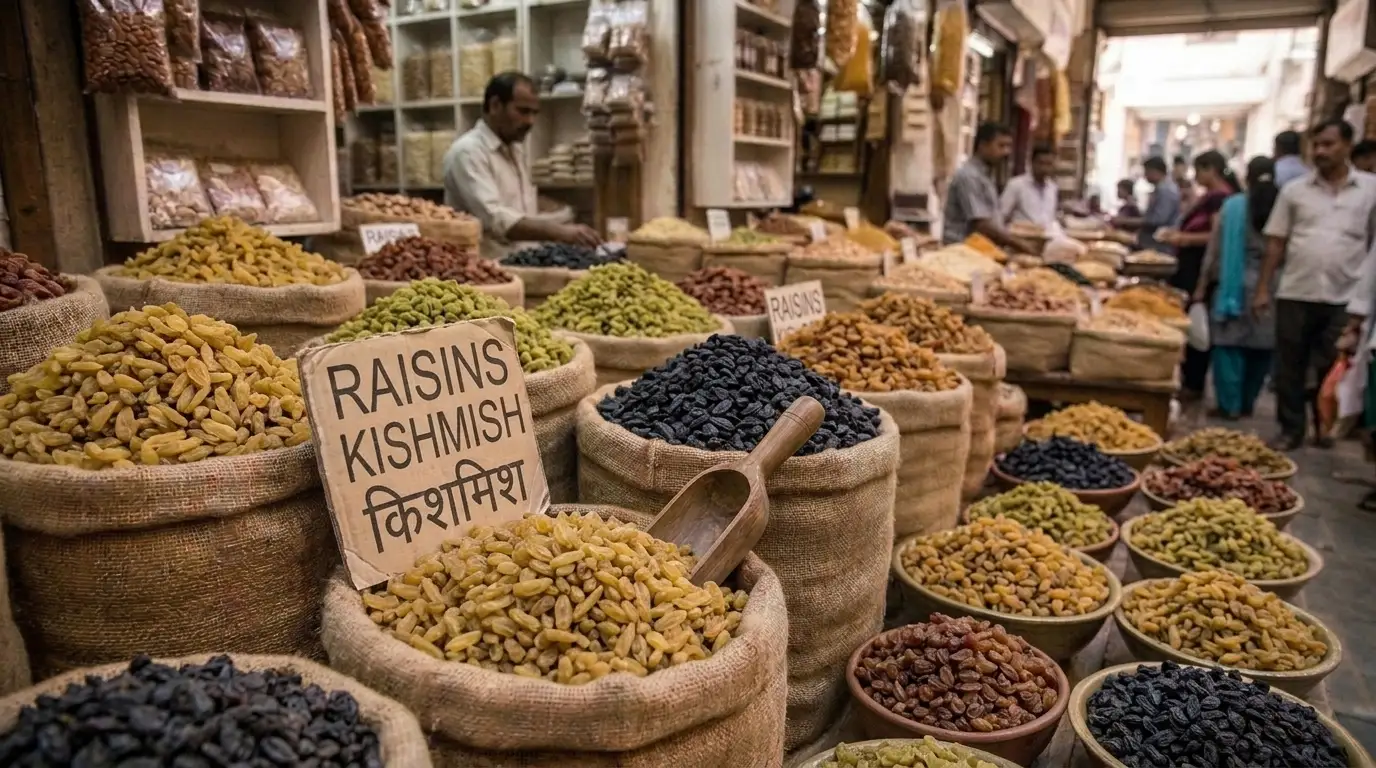
7. Raisins (Kishmish)
کشمش
Raisins are dried grapes and are available in different colours, sizes, and levels of sweetness. Their colour depends on the grape variety and drying or processing method.
They are commonly used in both sweet and savoury Pakistani dishes.
Common uses:
- Adding to pulao and biryani
- Mixing into kheer and desserts
- Adding to cakes and biscuits
- Eating as a snack
- Mixing with almonds and other nuts
Some raisins are softer and sweeter, while others are smaller or firmer. Choose according to the dish you plan to prepare.
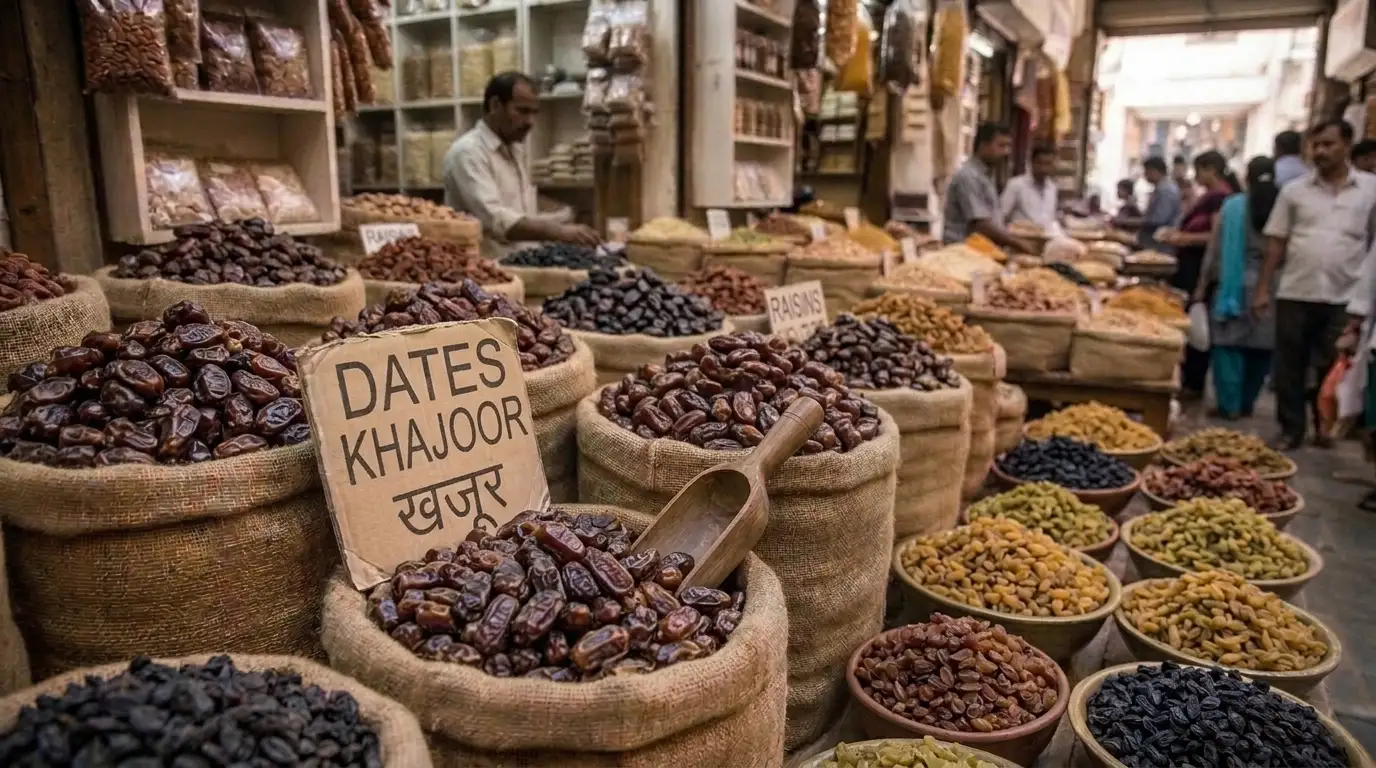
8. Dates (Khajoor)
کھجور
Dates are among the most familiar dried or semi-dried fruits in Pakistan. They are eaten throughout the year, with demand often increasing during Ramadan.
Different date varieties have different sizes, textures, sweetness levels, and moisture contents. Some are soft and moist, while others are firmer and drier.
Common uses:
- Eating as a snack
- Serving at iftar
- Adding to milkshakes
- Preparing date-based desserts
- Using in homemade snack mixes
When buying dates, check the variety, condition, softness, packaging, and storage instructions. Do not compare two varieties only by their price per kilogram.
9. Dried Figs (Anjeer)
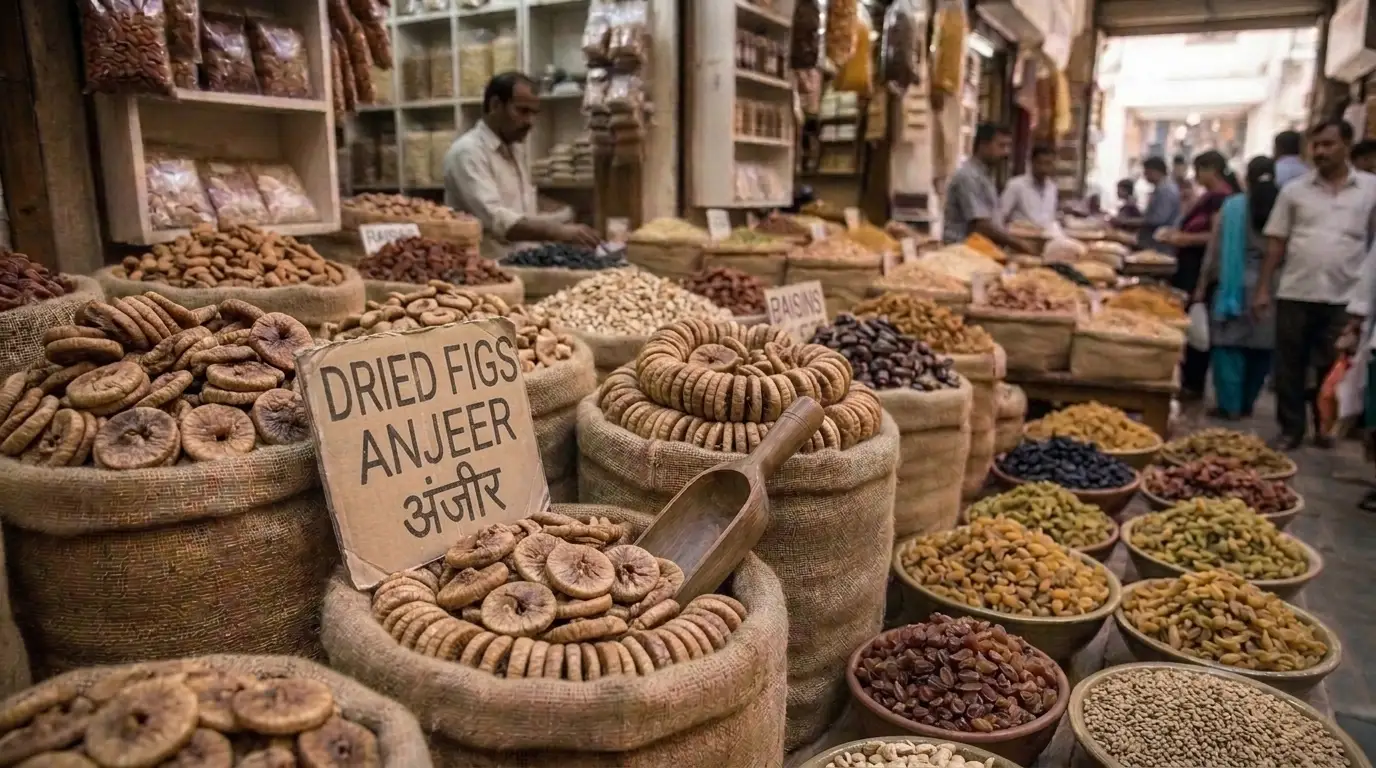
انجیر
Dried figs are known for their small seeds and naturally sweet flavour. They have a chewy texture and are commonly sold whole or in smaller packs.
They can be eaten directly or added to selected recipes.
Common uses:
- Eating as a snack
- Chopping into breakfast bowls
- Adding to homemade nut mixes
- Using in desserts and baking
Check the product for excessive moisture, mould, unusual odour, or damaged packaging.
10. Dried Apricots (Khubani)
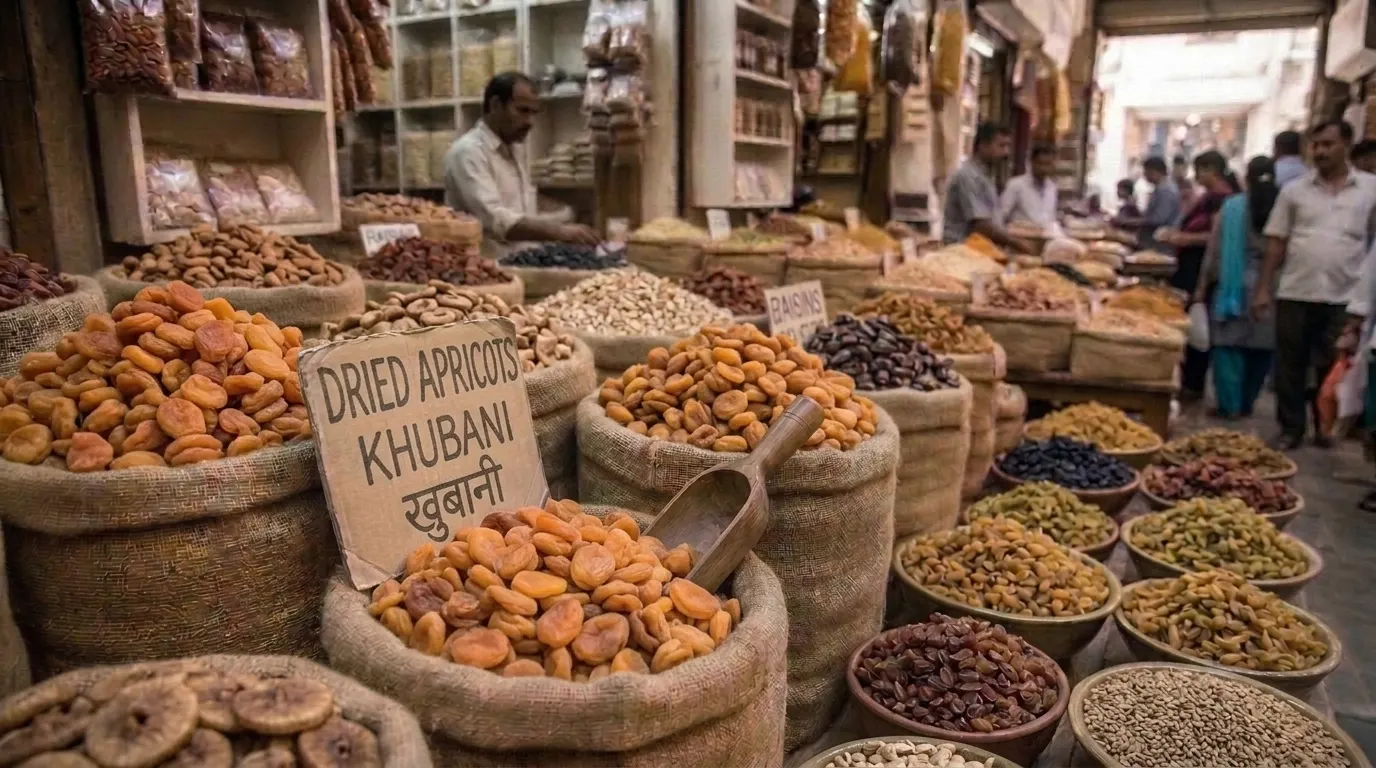
خوبانی
Dried apricots are made by removing much of the water from fresh apricots. They are available in different colours and textures depending on the variety and processing method.
They are often associated with northern areas of Pakistan and are used as a snack or recipe ingredient.
Common uses:
- Eating as a snack
- Adding to breakfast bowls
- Mixing with other dried fruits
- Using in desserts and baking
- Preparing selected traditional dishes
Some dried apricots are naturally darker, while others may be treated to retain a lighter colour. Check the ingredients and product description rather than judging quality by colour alone.
11. Dried Mulberries (Shahtoot)
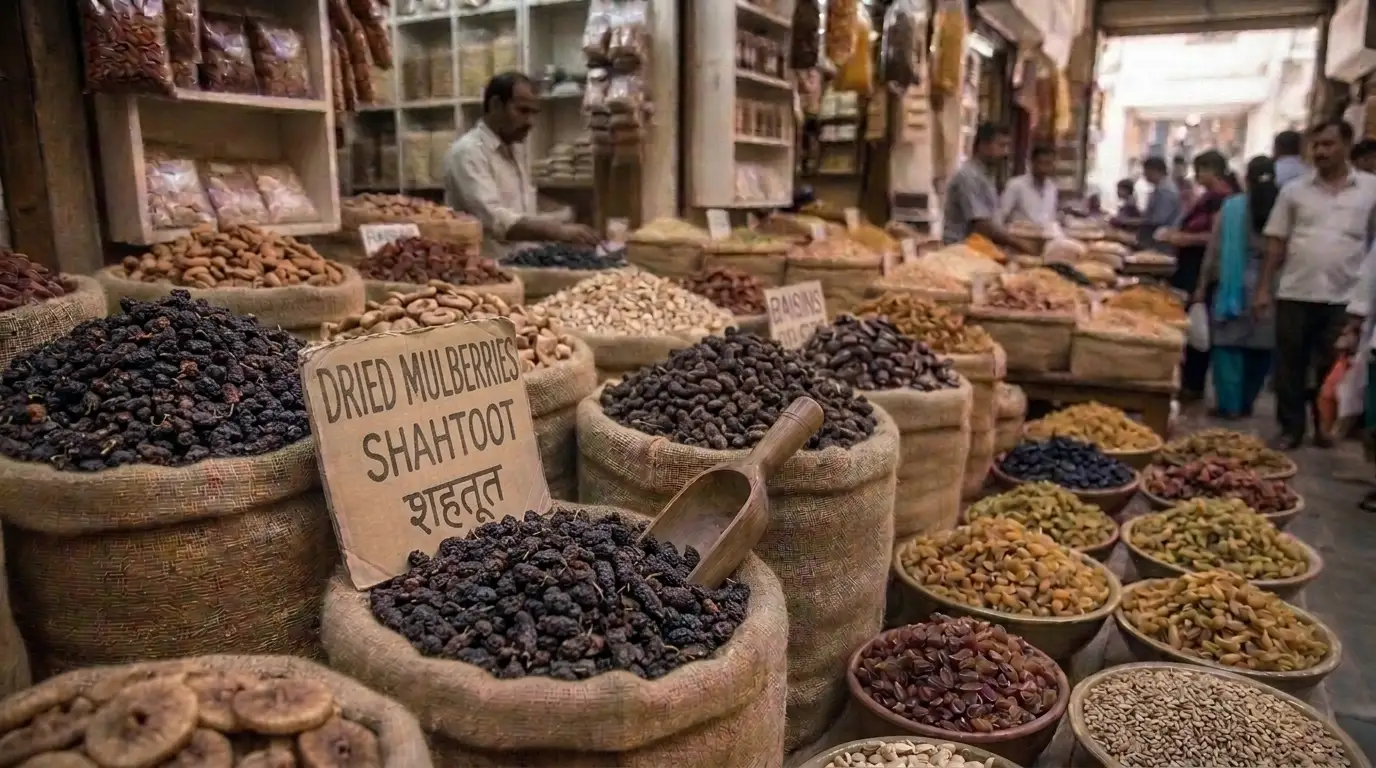
شہتوت
Dried mulberries, commonly called dried shahtoot, are another option available in some Pakistani dry fruit shops. They have a naturally sweet taste and a chewy texture.
Common uses:
- Eating as a snack
- Adding to mixed dry fruit packs
- Mixing into breakfast bowls
- Using in homemade snack combinations
Check whether the product is plain dried mulberry or contains added sugar or other ingredients.
12. Dried Coconut (Khopra)
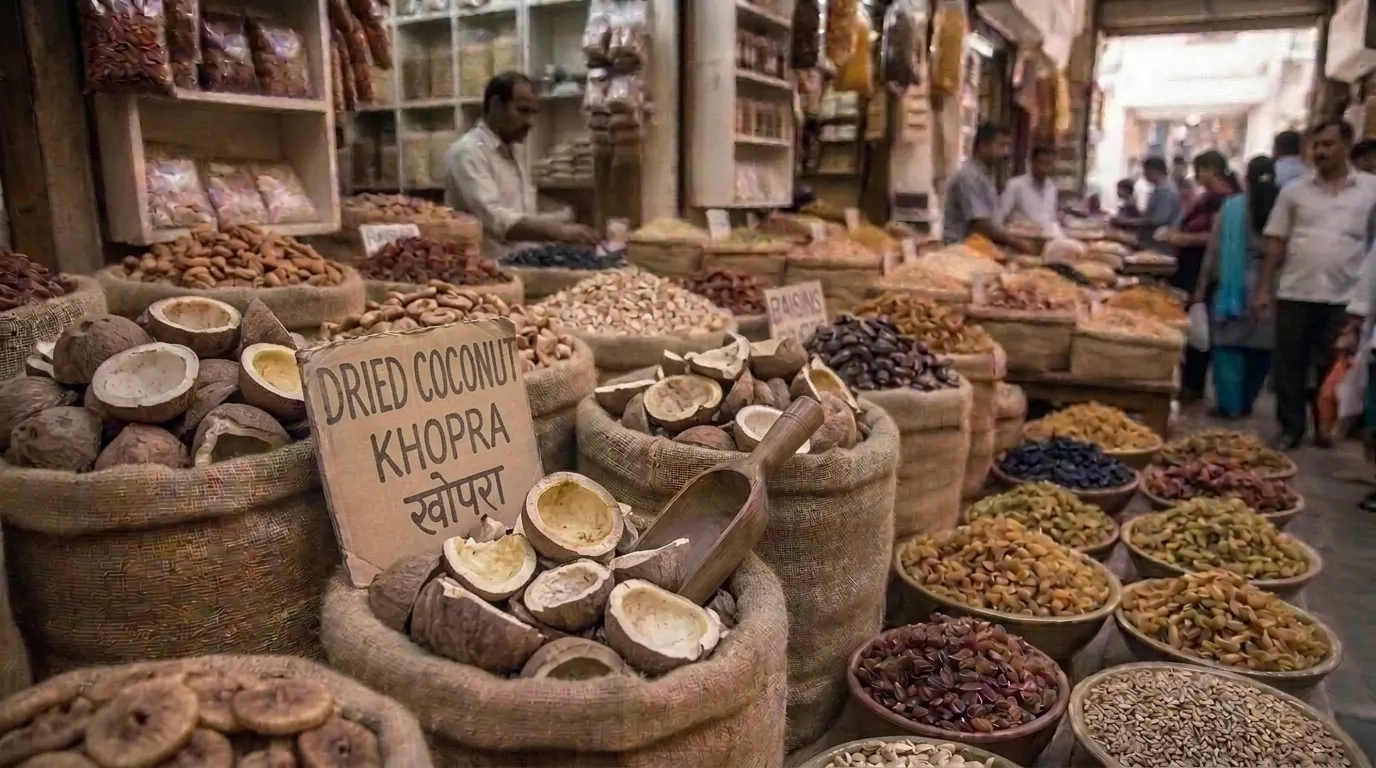
کھوپرا
Dried coconut is available in different forms, including slices, chunks, and grated coconut. It is commonly used in cooking and traditional sweets.
Common uses:
- Preparing sweets and mithai
- Garnishing desserts
- Adding to cakes and biscuits
- Using in selected savoury recipes
Check whether you are buying plain dried coconut, sweetened coconut, or roasted coconut because these products are not interchangeable in every recipe.
Dry Fruits Names in English and Urdu
The following table can help shoppers identify common dry fruits when shopping in local markets.
| English name | Urdu name | Common Roman Urdu |
|---|---|---|
| Almond | بادام | Badam |
| Walnut | اخروٹ | Akhrot |
| Pistachio | پستہ | Pista |
| Cashew | کاجو | Kaju |
| Pine nut | چلغوزہ | Chilgoza |
| Peanut | مونگ پھلی | Moong Phali |
| Raisins | کشمش | Kishmish |
| Dates | کھجور | Khajoor |
| Dried fig | انجیر | Anjeer |
| Dried apricot | خوبانی | Khubani |
| Dried mulberry | شہتوت | Shahtoot |
| Dried coconut | کھوپرا | Khopra |
How Dry Fruits Are Used in Pakistani Homes
Dry fruits are not limited to winter snacks. Their uses depend on the variety, household preferences, and the type of meal being prepared.
Everyday Snacking
Almonds, walnuts, pistachios, cashews, peanuts, and raisins are common choices for snacks. Some families prepare a small mixed pack to keep at home or take to work.
Traditional Desserts
Dry fruits are widely used in Pakistani desserts such as sheer khurma, kheer, halwa, and different types of mithai. Almonds and pistachios are often used as toppings, while raisins may be mixed into the dish.
Rice Dishes
Raisins, almonds, cashews, and sometimes other nuts are used in pulao and selected rice recipes. The amount depends on the recipe and the flavour preferred.
Breakfast and Homemade Mixes
Chopped nuts, raisins, dried figs, and dried apricots can be added to porridge, cereal, yoghurt, or homemade snack mixes.
Gift Packs
Mixed dry fruit boxes are commonly purchased for family visits, weddings, Eid, and other occasions. These packs may contain several varieties, so check the quantity of each item rather than judging the box only by its overall weight or appearance.
How to Choose Good Quality Dry Fruits
A product can look attractive in a shop and still be stale, poorly stored, or unsuitable for your needs. Use these checks before buying.
1. Check the Appearance
Look for products that match their expected variety. Natural differences in size and colour are normal, but excessive dust, visible insects, mould, or unusual discolouration should make you cautious.
2. Check the Smell
Fresh nuts generally have a clean, characteristic smell. Avoid nuts with a sharp, stale, paint-like, or unpleasant odour.
Walnuts and other oily nuts can develop rancid flavours when their natural oils deteriorate.
3. Check the Texture
Different products naturally have different textures. Almonds and pistachios are generally firm, while dates and raisins may be soft or chewy.
Avoid nuts that feel unexpectedly damp or soft and dried fruits that are excessively sticky, fermented-smelling, or visibly mouldy.
4. Check the Packaging
For packaged dry fruits, inspect the seal and make sure there are no holes, tears, or signs of moisture.
Resealable packaging can also make storage easier after opening.
5. Read the Product Label
Check the following information where available:
- Product name and variety
- Net weight
- Ingredients
- Manufacturing and expiry or best-before dates
- Country of origin, where stated
- Allergen information
- Storage instructions
- Whether the product is raw, roasted, salted, or sweetened
If a product is sold loose, ask the shopkeeper about its variety, freshness, and storage conditions.
For more details, read How to Read a Grocery Product Label in Pakistan.
6. Be Careful with Unusually Cheap Products
A low price may reflect a different variety, smaller size, broken pieces, older stock, or a lower product grade. Compare similar products before deciding which one offers better value.
Do not assume that every expensive pack is premium quality or that every inexpensive pack is poor quality.
Raw, Roasted, Salted or Unsalted: Which Should You Buy?
Dry fruits are sold in several forms. The right option depends on how you plan to use them.
| Product form | Suitable use | What to check |
|---|---|---|
| Raw or plain | Cooking, baking, everyday use | Freshness and ingredients |
| Roasted | Snacking and some recipes | Roasting method and freshness |
| Salted | Ready-to-eat snacks | Sodium and added ingredients |
| Unsalted | Desserts and cooking | Product variety and condition |
| Shelled | Convenient eating and recipes | Kernel condition and breakage |
| In-shell | Snacking and longer handling before use | Shell condition and edible yield |
If you are buying nuts for sheer khurma or desserts, plain or unsalted varieties may be more convenient. For ready-to-eat snacks, roasted options may suit your preference.
How to Compare Dry Fruit Prices
Dry fruit prices can differ considerably because of variety, grade, origin, size, processing, packaging, and seasonal demand.
For a fair comparison, calculate the price per 100 grams or per kilogram.
Price per 100 g = Packet Price ÷ Packet Weight in Grams × 100
For example:
- A 250 g pack costs Rs. 750.
- A 500 g pack costs Rs. 1,400.
The first pack costs Rs. 300 per 100 g, while the second costs Rs. 280 per 100 g.
In this example, the larger pack has a lower price per 100 g. These are illustrative figures, not current market prices.
There is another important point: compare like with like. Shelled almonds and almonds in their shells are not directly comparable because the shell adds weight but is not part of the edible portion. The same applies to whole walnuts and walnut kernels.
When buying a mixed dry fruit box, calculate the value of its individual contents if the seller provides a weight breakdown.
How to Store Dry Fruits in Pakistan
Pakistan’s warm weather can make proper storage especially important. Heat, humidity, air exposure, and poor packaging can affect the quality of nuts and dried fruits.
Follow these practical steps:
- Store dry fruits in clean, dry, airtight containers.
- Keep containers away from direct sunlight and heat.
- Avoid placing them near the stove, oven, or sink.
- Refrigerate oily nuts such as walnuts when you need to keep them for longer periods.
- Use tightly sealed containers to prevent moisture and odours from affecting the food.
- Keep different varieties separate if their moisture levels and storage requirements differ.
- Follow the manufacturer’s storage instructions.
Do not store dry fruits in an open bowl for long periods, particularly in humid conditions.
If you notice visible mould, insect infestation, an unusual smell, or signs of spoilage, discard the affected product. Do not taste questionable nuts to check whether they are safe.
Research conducted in South Punjab examined aflatoxin contamination in dates, pistachios, and walnuts under different storage conditions. It highlights why proper drying and storage matter. Importantly, a normal appearance does not guarantee that a product is free from contamination.
Are Dry Fruits Healthy?
Dry fruits and nuts provide different nutrients, but their nutritional composition varies by product.
For example:
- Almonds, walnuts, pistachios, and cashews provide fats and some protein.
- Raisins, dates, and dried figs contain natural sugars and dietary fibre.
- Dried apricots provide carbohydrates and fibre.
- Peanuts provide plant-based protein and fats.
However, dried fruits are also concentrated foods. Nuts can be energy-dense, while dried fruits may contain substantial amounts of naturally occurring sugar because much of their water has been removed.
Portion size matters, especially when eating sweetened dried fruits or salted and roasted nuts. Check the nutrition label where available, particularly if you need to monitor sugar, sodium, or calorie intake.
Also remember that dry fruits are foods, not treatments for medical conditions. No single variety can replace a balanced diet or prescribed medical care.
Where Can You Buy Dry Fruits in Pakistan?
Dry fruits are available through several types of retailers:
Local dry fruit shops: These may offer loose products, different grades, and mixed varieties. Ask about freshness and storage before buying.
Kiryana and general stores: Smaller packs of almonds, raisins, peanuts, dates, and other common products may be available for everyday use.
Supermarkets: These may offer branded packs, sealed packaging, and different product sizes.
Online grocery stores: Online shopping can make it easier to compare pack sizes and product descriptions. Check delivery details, packaging, and seller information before placing an order.
You can browse the following sections on Grocer.pk to find grocery retailers in Pakistan:
- Supermarkets in Pakistan
- Grocery Stores in Pakistan
- Kiryana Stores in Pakistan
- Online Grocery Stores in Pakistan
If you are preparing a winter shopping list, our Winter Grocery Essentials List for Pakistani Families also includes dry fruits and other seasonal grocery items.
Frequently Asked Questions About Dry Fruits
Which dry fruits are commonly used in Pakistan?
Common choices include almonds, walnuts, pistachios, cashews, chilgoza, peanuts, raisins, dates, dried figs, and dried apricots.
What is the difference between dry fruits and nuts?
Nuts such as almonds, walnuts, and cashews are different from dried fruits such as raisins, dates, and figs. In Pakistan, both groups are commonly sold together under the term dry fruits.
Which dry fruits are commonly eaten in winter?
Almonds, walnuts, peanuts, pistachios, cashews, raisins, and dates are popular winter choices. The selection depends on taste, budget, and household preferences.
Which dry fruits are used in sheer khurma?
Almonds, pistachios, raisins, and dates are commonly used in sheer khurma. Some families also add cashews or other ingredients according to their recipe.
How can I check whether dry fruits are fresh?
Check their appearance, smell, texture, and packaging. Avoid products with visible mould, insects, unusual moisture, or a stale or rancid smell. These checks can identify warning signs but cannot guarantee the absence of invisible contamination.
Are roasted dry fruits better than raw dry fruits?
Neither is automatically better. Raw varieties are useful for cooking and recipes, while roasted varieties offer a different flavour and texture. Compare added salt, oil, sugar, and other ingredients.
How should I store dry fruits in Pakistan?
Keep them in airtight containers in a cool, dry place away from heat and moisture. Refrigeration can help preserve oily nuts, particularly walnuts, for longer periods.
Why do dry fruit prices vary between shops?
Prices can differ because of variety, grade, size, origin, shell condition, processing, packaging, transport, and seasonal demand.
Can I buy dry fruits in bulk?
Yes, but buy larger quantities only if you can store them properly and use them before their quality declines. Smaller packs may be more practical for households that consume dry fruits occasionally.
Are peanuts considered dry fruits?
Peanuts are technically legumes, not tree nuts. However, they are commonly sold and consumed alongside other dry fruits in Pakistan.
What should I check when buying a mixed dry fruit box?
Check the weight of each variety, the proportion of whole and broken nuts, freshness, packaging, ingredients, and the total price. Do not judge a mixed box only by its appearance.
Final Buying Advice
The best dry fruit purchase is not necessarily the most expensive one. Start by deciding how you will use the product, then compare its variety, weight, condition, ingredients, and price.
For everyday snacking, a small selection of almonds, peanuts, walnuts, or raisins may be enough. For desserts, choose ingredients that suit your recipe. For gift boxes, check the actual contents and quantity of each variety.
Most importantly, buy from retailers who handle and store their products properly. Good packaging, clear product information, and careful storage can make a meaningful difference to the quality of dry fruits at home.
Syed Abdul Manan is an SEO expert and WordPress specialist with over 10 years of experience in search engine optimization and WordPress development. He holds a Bachelor of Science in Computer Science (BSCS) and is the Founder & CEO of Grocer.pk, a searchable directory of grocery stores, supermarkets, kiryana shops, and online grocery businesses across Pakistan.
With a technical foundation in computer science, he has spent the past decade working on technical SEO, on-page optimization, content strategy, and building fast, well-structured WordPress websites. For more than six years, he has been developing and managing Grocer.pk, which now covers major cities including Lahore, Karachi, Islamabad and Faisalabad, helping people find nearby stores by city, area and category, along with locations, contact details and map links.
Syed Abdul Manan runs Grocer.pk with a professional, quality-focused approach, combining clean site architecture, structured listings and practical grocery guides to serve both shoppers and business owners. His goal is to help local businesses build a stronger online presence and to help users find reliable local information quickly.
Connect with him on LinkedIn.