Loose vs Packaged Grocery Items: Pros, Cons and Buying Tips
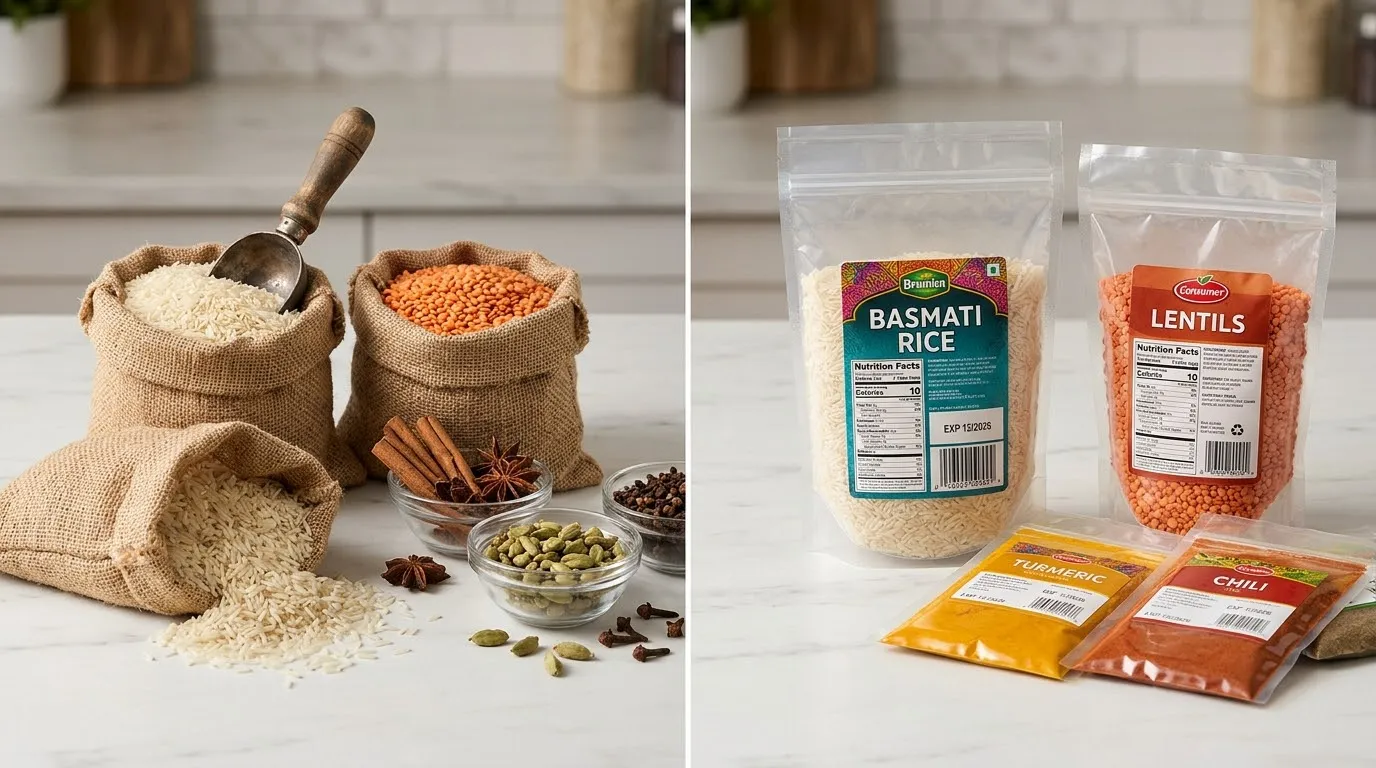
When shopping for groceries in Pakistan, you may notice that some products are available in two ways. You can buy loose daal from a shopkeeper, for example, or choose a sealed packet from a recognised brand. The same choice applies to rice, flour, spices and several other everyday items.
Many shoppers prefer Loose vs packaged groceries because they can buy the exact quantity they need. Others choose packaged products because the label provides information about the brand, weight and expiry date. Both options can be useful, but the better choice depends on the product, its price, how it has been stored, and the information available to you.
Understanding Loose vs. packaged grocery items can help you manage your household budget without overlooking quality and food safety. This article looks at the main differences, the advantages and disadvantages of each option, and the checks you should make before buying groceries.
What Is the Difference Between Loose vs Packaged Grocery Items?
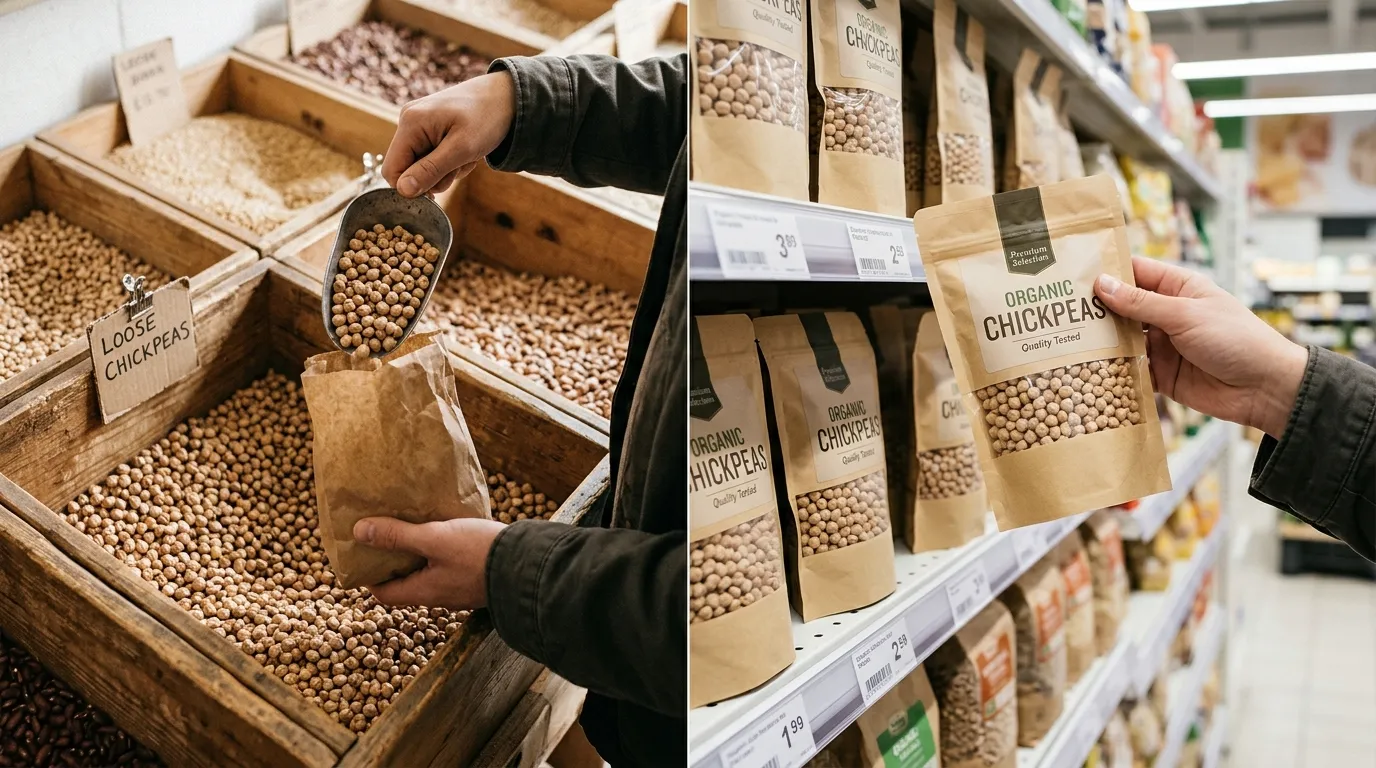
Loose grocery items are sold without an individual sealed retail package. A shopkeeper may measure the required quantity from a larger container or sack. Common examples include rice, pulses, flour, sugar and spices sold by weight.
Packaged grocery items are sold in bags, boxes, bottles, jars, cartons or other retail packaging. Depending on the product, the package may show the brand name, net weight, ingredients, manufacturing or packing information, expiry or best-before date, and storage instructions.
Here is a simple comparison.
| Feature | Loose groceries | Packaged groceries |
|---|---|---|
| Quantity | Often available in flexible amounts | Usually sold in fixed pack sizes |
| Price comparison | Requires checking the price per kilogram or unit | Weight and printed details can make comparison easier |
| Product information | May be limited | Often includes a label with product details |
| Packaging waste | Can be lower when you use your own suitable container, where permitted | Usually creates some packaging waste |
| Product inspection | You may be able to see the item before buying | The contents may be hidden inside the package |
| Storage and handling | Depends heavily on the shop’s containers and handling | Depends on the product, packaging integrity and storage conditions |
| Traceability | May be harder to identify the producer or source | A labelled product may provide brand and batch information |
These are general differences, not guarantees. A well-handled loose product can be a sensible purchase, while a damaged or poorly stored packaged product may not be a good choice.
Why Do Many Pakistani Families Buy Loose Groceries?
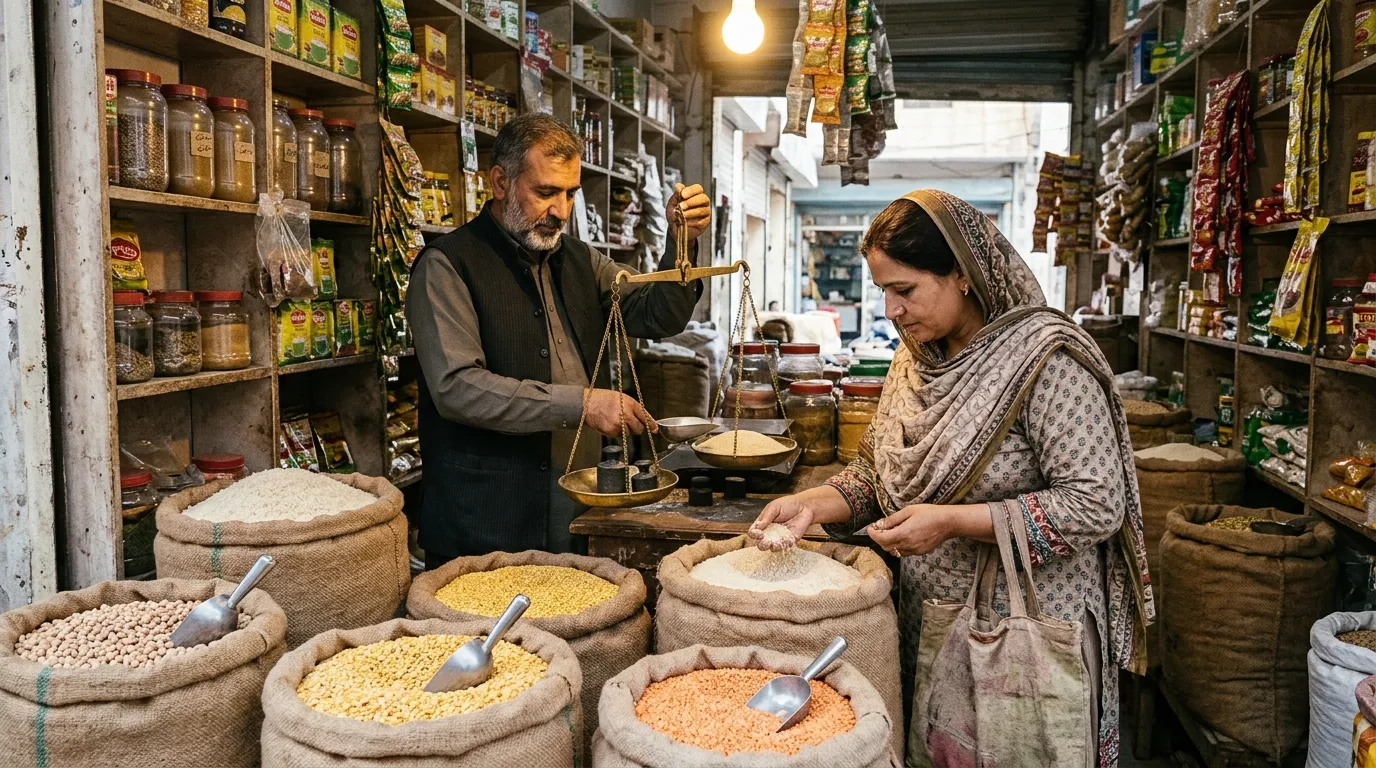
Loose groceries remain a practical option for households that buy daily essentials from local kiryana stores, general stores near me, and traditional markets.
1. You can buy the quantity you need
Suppose you need a small amount of a spice for one recipe. Buying it loose may allow you to purchase just enough instead of opening a large packet that could sit unused in the kitchen for months.
The same idea can work for pulses, rice, and other pantry items when you are buying a small quantity or testing a product before purchasing more.
2. You can compare the visible product
When the shopkeeper allows you to inspect a loose product, you may be able to notice its colour, grain size, visible dirt, insects, or other obvious problems.
However, appearance alone cannot confirm food safety. Contamination, adulteration or other quality problems may not be visible to the naked eye.
3. It can be convenient for regular shopping
Many neighbourhood grocery shops sell staple items by weight. This makes it easy to add a small quantity of rice, sugar, flour or daal to your regular household shopping.
You may also be able to combine several small purchases in one visit instead of buying a full retail pack of every ingredient.
4. It may reduce packaging
Buying loose products can reduce the number of individual packets used, particularly when the shop uses suitable containers, and you can safely transfer the groceries into clean storage containers at home.
The environmental benefit depends on how the product is transported, handled, and stored. Loose buying does not automatically eliminate packaging throughout the supply chain.
What Are the Disadvantages of Loose Grocery Items?
Flexible quantities and convenient purchasing can be useful, but loose groceries also have limitations that shoppers should understand.
Limited product information
A loose product may not come with a retail label showing the producer, batch number, ingredients, or date information. This can make it harder to identify the source or check product-specific details.
If you need information about the origin or composition of a product, ask the seller. If the information cannot be established, consider whether buying a labelled alternative would be more suitable.
Handling and storage matter
Loose food may be exposed to dust, moisture, insects, pests, or handling during storage and sale. This depends on the shop’s practices, the type of container and the surrounding conditions.
Look for covered containers, clean scoops, dry storage areas and products kept away from chemicals or other sources of contamination. Avoid items with visible insects, mould, unusual moisture or an abnormal smell.
Quality may vary between purchases.
A loose product bought from one shop may differ in appearance, texture or cooking performance from a product bought elsewhere. The name of the item alone does not tell you everything about its grade or quality.
If you regularly buy a staple such as rice or daal, compare a small quantity first and check how it performs in your usual cooking.
Low prices do not always mean better value.
A lower price per kilogram may be attractive, but it does not automatically mean that a product is better value. Consider the usable quantity, quality, storage life, and any waste caused by buying more than you can use.
For products where food safety or traceability is especially important, the lowest price should not be the only factor in your decision.
Why Do Shoppers Choose Packaged Grocery Items?
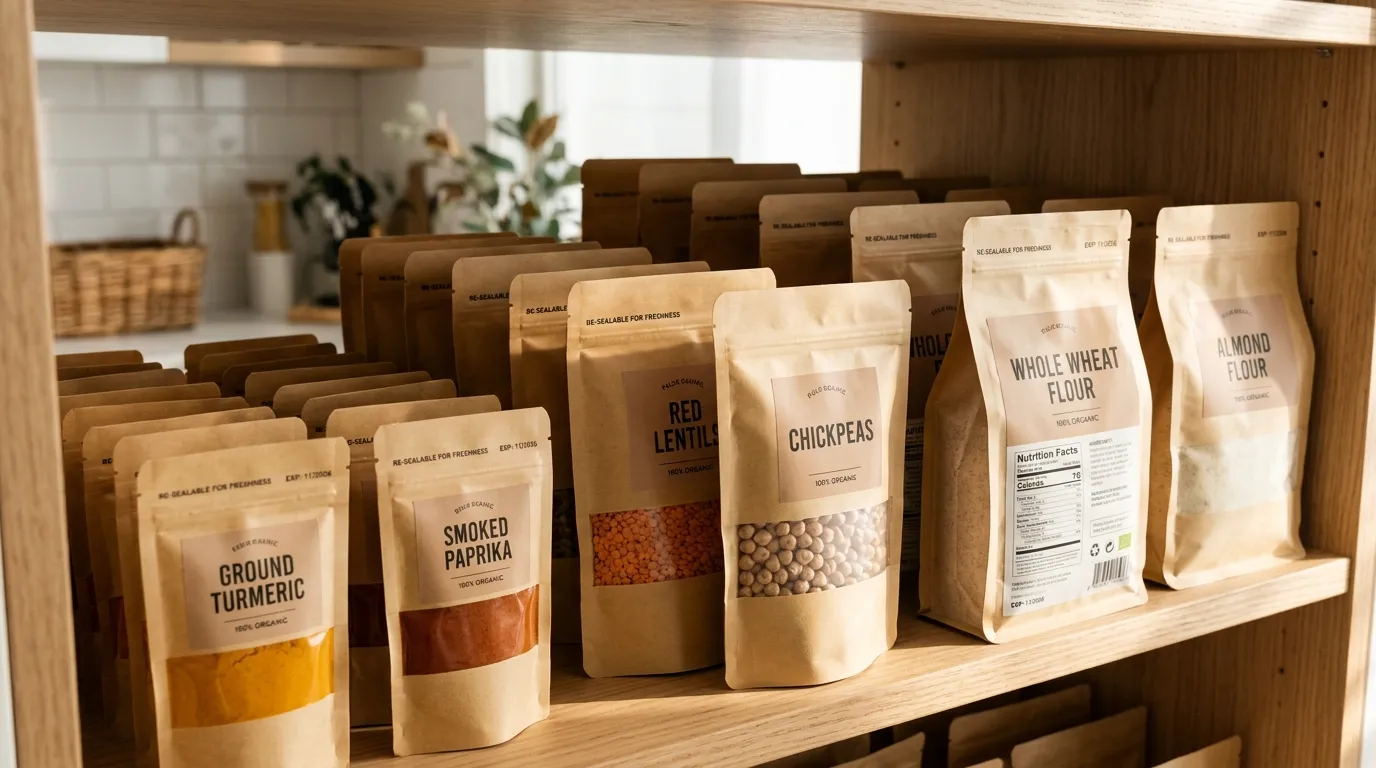
Packaged groceries offer several practical advantages, especially when the product requires clear storage instructions, ingredient information or a recognisable brand.
1. Product labels can help you make an informed choice
Depending on the product and applicable labelling requirements, a package may provide information such as ingredients, net weight, manufacturing details, date marking, storage instructions and the manufacturer’s or packer’s details.
This information can help you compare similar products and check whether an item suits your needs.
Do not assume every package contains every detail. Read the label and look for the information relevant to the product.
2. Sealed packaging can protect the contents
Intact packaging can help protect food from outside contamination during handling and storage. The level of protection depends on the packaging material, the product, and how it has been handled.
A seal is useful only when it is intact, and the product has been stored as required. A sealed packet that is torn, leaking, swollen when it should not be, or otherwise damaged should not be treated as automatically safe.
3. Fixed weights can make price comparisons easier
A packet labelled with its net weight makes it easier to calculate the price per kilogram or per litre.
For example, a 500-gram packet priced at Rs. 250 costs Rs. 500 per kilogram. If a comparable 1-kilogram pack costs Rs. 460, the larger pack has the lower price per kilogram, assuming the products are otherwise comparable.
The calculation helps you compare value, but you should also check product quality, ingredients, and whether you can use the full quantity.
4. Branded products can be easier to trace
A labelled product may provide a brand name, manufacturer or packer details, and batch information. Keep the packaging or take a photograph of the relevant details if you need to contact the company about a quality issue.
A brand name alone is not proof of quality or safety. Check that the package appears genuine, the seal is intact, and the information is credible.
What Are the Disadvantages of Packaged Groceries?
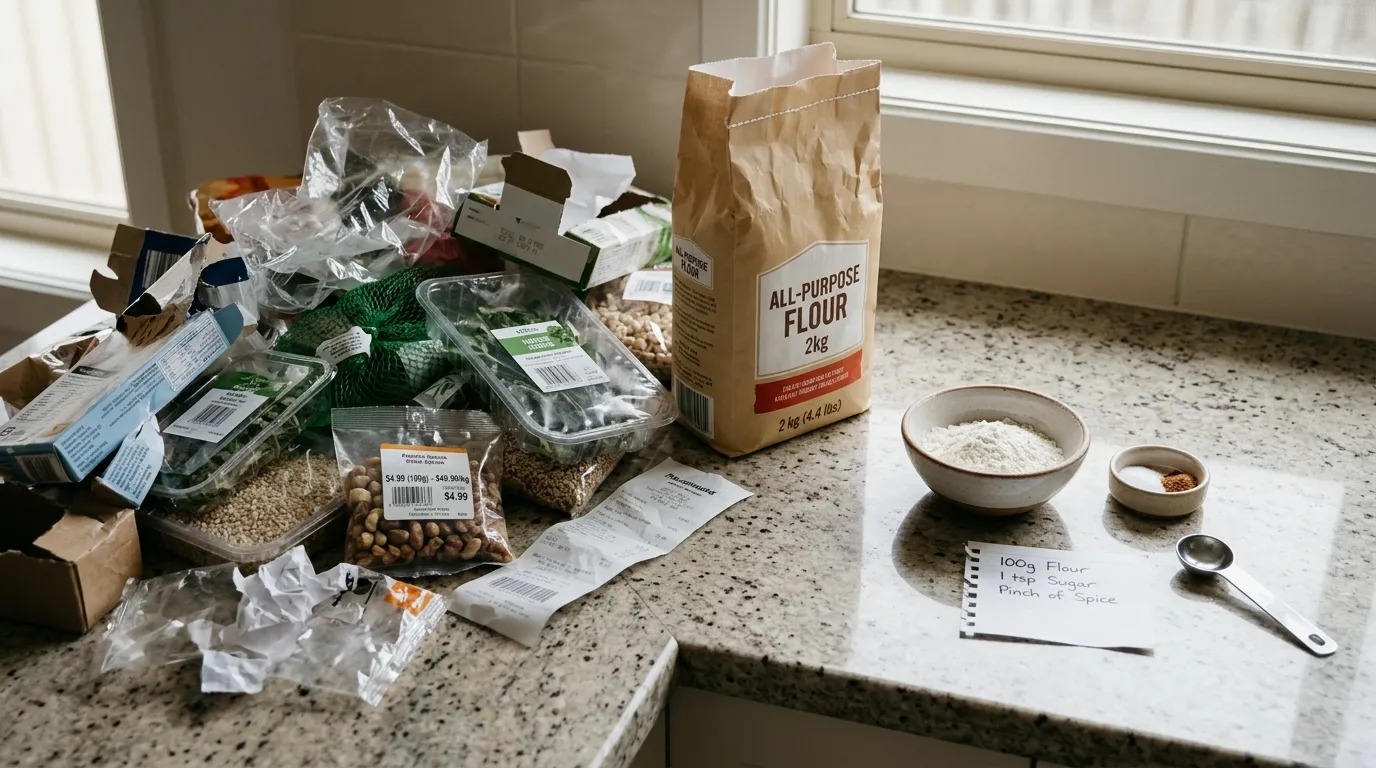
Packaged products can be convenient, but they are not the right choice for every purchase.
Fixed pack sizes may not suit small households.
If a recipe needs only a small quantity of an ingredient, a large pack may leave you with more food than you can use. This can lead to waste if the product is not stored properly or loses quality over time.
Choose a pack size that matches your household’s consumption and storage space.
Packaging can increase the final price.
The cost of a packaged product may include its packaging, branding, transport, and other business expenses. This can contribute to a higher retail price, although it does not mean that every packaged item is more expensive than its loose equivalent.
Compare similar products using the same weight or volume before deciding.
Packaging does not guarantee quality.
A sealed packet can still contain a product that fails to meet quality requirements. Packaging may also be damaged, the product may be stored incorrectly, or the label may not provide enough information for your needs.
In Pakistan, an official review of laboratory testing of packaged edible oil, ghee, and milk products in 2026 reported that some tested samples did not meet prescribed standards. This is a reminder that shoppers should not assume all packaged products are compliant simply because they are sealed. The reported results apply to the tested samples and categories, not every packaged grocery product.
Packaging creates waste
Plastic bags, wrappers, cartons, and bottles can add to household waste. Where suitable recycling or disposal options are available, follow local guidance. Avoid reusing food packaging for a different purpose unless it is designed and safe for that use.
Which Grocery Items Are Better to Buy Loose?
There is no universal rule, but loose purchasing may be practical for certain dry staples when the shop handles and stores them properly.
Rice and pulses: Loose rice, chickpeas, lentils and beans can be useful when you want a particular quantity. Check that the grains are dry and free from visible insects, mould or unusual material. Compare cooking quality as well as price.
Flour: If buying loose flour, choose a shop that stores it in clean, dry, covered containers. Flour can be affected by moisture and pests, so transfer it into a suitable airtight container at home.
Whole spices: Some shoppers prefer loose whole spices because they can select small quantities. Inspect the product carefully and store it in a clean, dry place. Appearance and smell are useful checks, but they cannot establish purity or rule out contamination.
Sugar and salt: Loose options may be available in local markets. Make sure the product is kept dry and protected from dirt and moisture. If you need a particular type of salt or a product with specific labelling, check the package details.
For all these products, the quality of the seller’s storage and handling is important. Do not buy an item simply because it is loose or because it looks clean from the surface.
Which Items Should You Consider Buying Packaged?
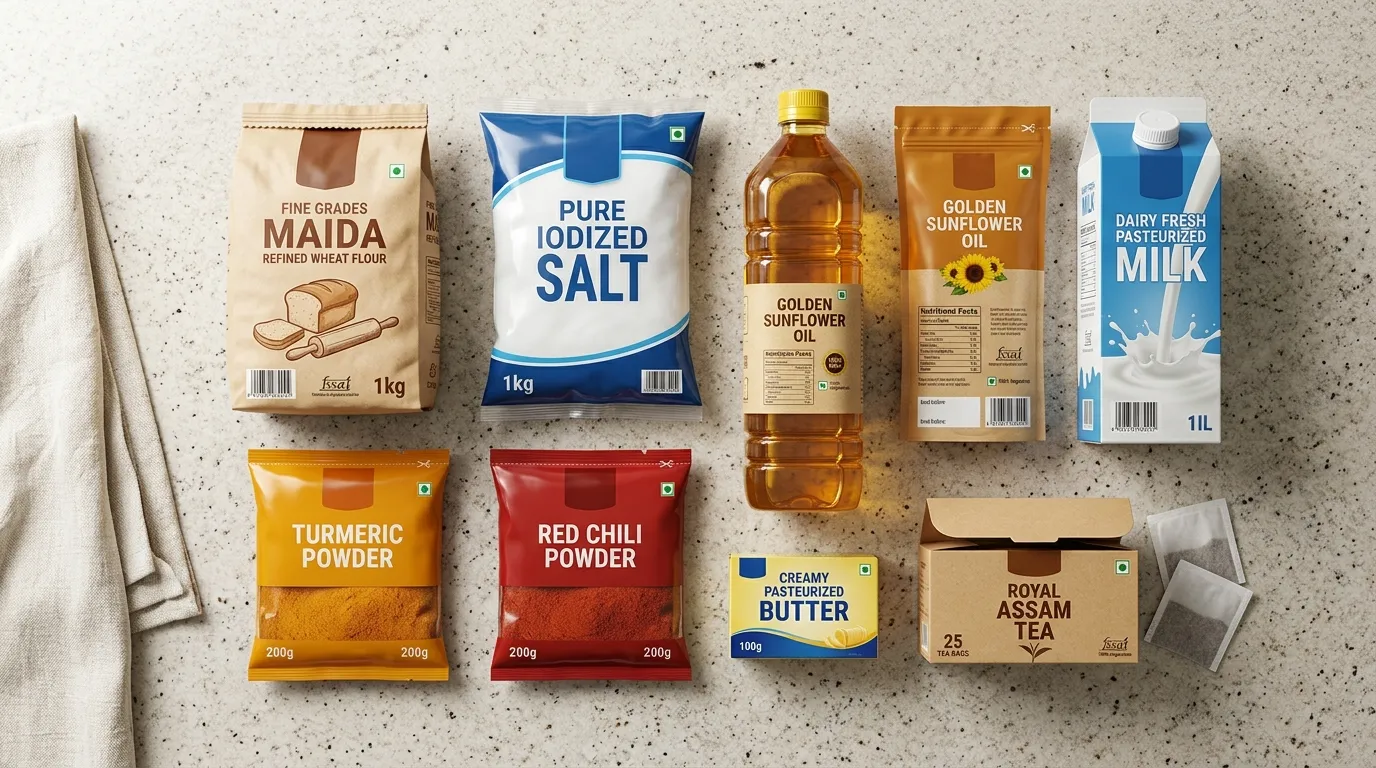
For some grocery categories, labels, product specifications, and traceability can be particularly useful.
Cooking oil and ghee: Compare the product label, ingredients, manufacturer information, and seal. Check that the product is suitable for your intended use and has been stored appropriately. Avoid oil or ghee with an abnormal smell or suspicious packaging.
Milk and dairy products: Choose products from a reliable source and pay attention to pasteurisation or processing information, storage requirements and date marking where applicable. Refrigerated products should be kept at the required temperature. A sealed container is not a substitute for correct storage.
Packaged spices and recipe mixes: Labels can help you check ingredients, brand information and date details. This is useful if you want a particular blend or need to check for ingredients that you prefer to avoid.
Breakfast cereals, biscuits and other processed foods: Read the ingredient list, net weight and nutrition information when available. Compare the quantity and the product details rather than relying on front-of-pack claims alone.
Packaged products are not automatically the best choice in every category. The aim is to select products with suitable quality, clear information, and proper handling.
Loose vs Packaged Grocery Items: How to Compare the Real Price
Price comparison is more useful when you compare equivalent quantities and products. A loose item sold by weight may appear cheaper than a branded packet, but the difference should be calculated rather than guessed.
Use this simple method:
- Check the weight or volume of each option.
- Convert both prices to the same unit, such as one kilogram or one litre.
- Compare similar product types and grades where possible.
- Consider how much of the product you will actually use.
- Check the quality, storage conditions, and available product information.
- Choose the option that fits your budget and requirements.
For example, suppose loose rice costs Rs. 280 per kilogram, while a 2-kilogram packaged bag costs Rs. 600. The packaged rice costs Rs. 300 per kilogram, so the loose rice is cheaper by Rs. 20 per kilogram.
That does not prove the loose rice is better overall. You should still consider the rice’s quality, the cleanliness of the storage area, and whether the packaged product offers a variety or grade you specifically want.
Use this approach for your own local prices because costs vary by brand, quality, location, and date.
How to Check Grocery Quality Before Buying
Whether you choose loose or packaged food, a few simple checks can help you make a more informed decision.
For loose items
- Look for clean, dry, covered containers.
- Check for visible insects, mould, unusual moisture, or foreign material.
- Notice any abnormal smell, but do not rely on smell alone to determine safety.
- Ask the seller about the product when its source or type is unclear.
- Buy a reasonable quantity that you can store properly at home.
For packaged items
- Check that the seal is intact and the package is not damaged.
- Read the date marking and storage instructions.
- Review ingredients and other label information relevant to your needs.
- Check the net weight and price.
- Avoid products with suspicious labels or signs of leakage, tampering, or spoilage.
- Keep refrigerated and frozen products at the required temperature.
Food can sometimes be contaminated without showing obvious signs. These checks reduce avoidable risks but cannot replace proper testing or guarantee that a product is safe.
For further information, the Punjab Food Authority’s food testing service explains how food samples can be tested for adulteration and contamination. The Food and Agriculture Organization’s food safety resources for Pakistan also cover food hygiene, storage and handling.
How to Store Loose and Packaged Groceries at Home
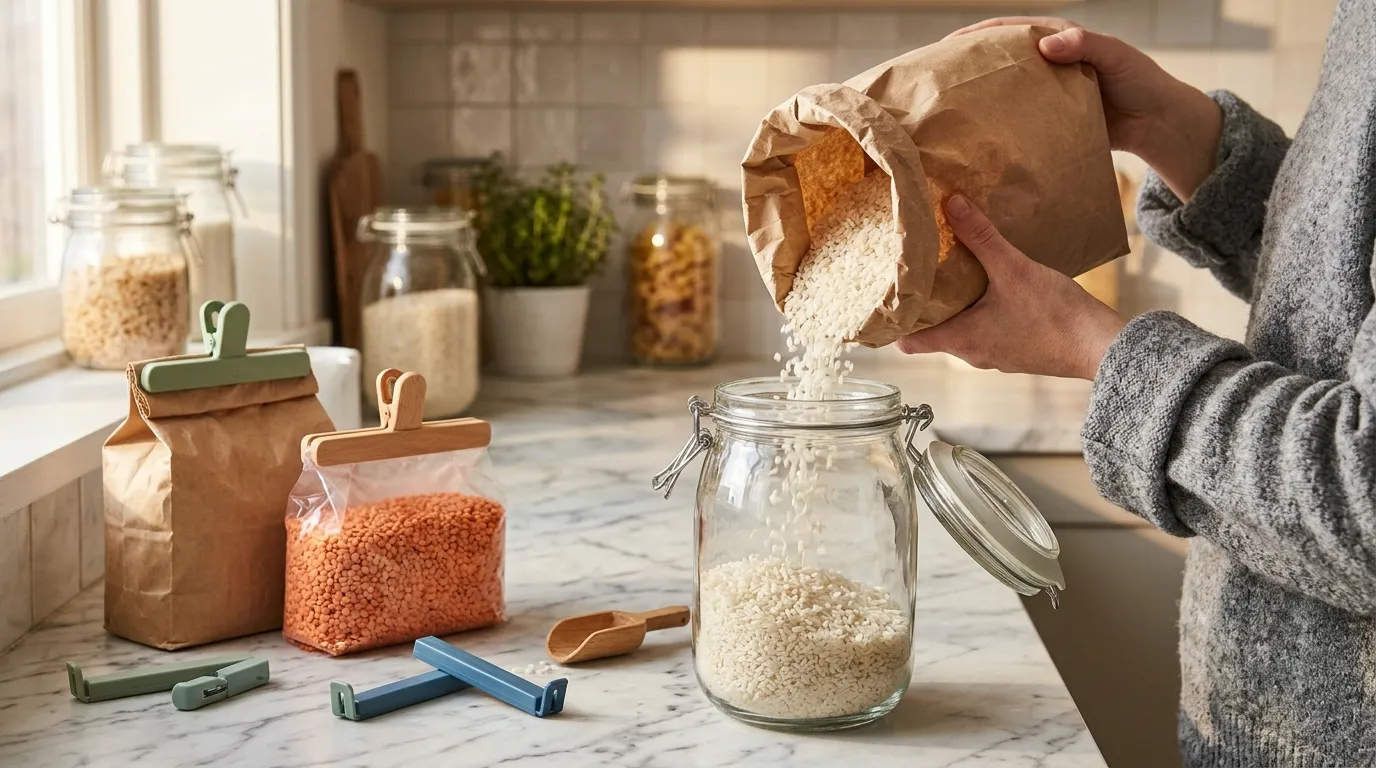
Buying good-quality groceries is only part of the process. Storage also affects how long products remain suitable for use.
For dry items such as rice, flour, sugar and pulses, use clean, dry containers with suitable lids. Store them away from moisture, pests, direct heat and household chemicals. Label containers when useful and use older stock first, provided it remains suitable for consumption.
For packaged products, follow the storage instructions on the label. Do not assume that every item can be kept at room temperature after opening. Some products may require refrigeration or careful handling once the seal has been broken.
Check your pantry periodically for signs of pests, moisture, damaged packaging, or products that have passed their relevant date marking. Avoid mixing new groceries with old stock without checking the condition of what is already in the container.
If you buy a large quantity to save money, make sure you have enough suitable storage space and can use the product before its quality deteriorates.
What Is the Best Choice for Your Household?
The answer depends on the product and your shopping habits. Use this quick decision guide:
- Choose loose when you need a small quantity, the product is visibly in good condition, and the shop’s handling and storage practices are satisfactory.
- Consider packaged when you need clear ingredient information, a particular brand or product specification, a fixed quantity, or better traceability.
- Compare both when price is the main concern. Calculate the price per kilogram or litre and check that the products are genuinely comparable.
- Avoid either option when there are signs of spoilage, contamination, damaged packaging, suspicious labelling, or poor storage conditions.
You do not need to choose one option for all your groceries. A household might buy loose rice and pulses from a trusted shop, packaged cooking oil from a reliable retailer, and fresh produce based on its condition and intended use.
The goal is to make a sensible choice for each item rather than following a blanket rule.
Frequently Asked Questions
Are loose grocery items cheaper than packaged items?
They can be, but not always. Compare the price per kilogram or litre, the product’s quality, and the quantity you will use. Prices vary by seller, location, brand, and product grade.
Are packaged groceries always safer than loose groceries?
No. Packaging may provide protection and useful product information, but it does not guarantee safety or quality. Both the product and its handling, storage, and source matter.
Is it safe to buy loose rice and daal in Pakistan?
Loose rice and daal can be reasonable purchases when they are properly stored and handled. Check for visible contamination, insects, mould, and moisture, and buy from a seller who keeps the products in clean, covered containers.
Why should I check labels on packaged food?
Labels can provide details such as ingredients, net weight, date marking, storage instructions, and manufacturer information, depending on the product and applicable requirements. This helps you compare products and make a more informed decision.
How can I tell whether a grocery item has been adulterated?
You cannot reliably identify every form of adulteration through appearance, smell, or taste. If you suspect a product is unsafe or adulterated, do not consume it. Keep relevant packaging or purchase details and contact the appropriate food safety authority for guidance.
Which option is better for saving money on monthly groceries?
Neither option is always cheaper. Make a monthly list, compare unit prices, buy quantities you can store safely, and avoid unnecessary purchases. You can also use Grocer. pk’s grocery budget guide for Pakistan to organise your spending.pk’s grocery budget guide for Pakistan to organise your spending.
Make Better Choices During Your Next Grocery Trip
Loose and packaged grocery items both have a place in everyday shopping. Loose products can offer flexible quantities, while packaged products may provide useful labels, fixed weights, and product information. Neither option should be judged by price or appearance alone.
Before buying, compare the unit price, check the product’s condition, consider how it has been stored, and choose a quantity that suits your household. These small steps can help you shop more carefully without making your grocery routine complicated.
For more shopping ideas, browse grocery stores on Grocer.pk, check the supermarket directory, or use the complete grocery items list for Pakistan to plan your household purchases.
Syed Abdul Manan is an SEO expert and WordPress specialist with over 10 years of experience in search engine optimization and WordPress development. He holds a Bachelor of Science in Computer Science (BSCS) and is the Founder & CEO of Grocer.pk, a searchable directory of grocery stores, supermarkets, kiryana shops, and online grocery businesses across Pakistan.
With a technical foundation in computer science, he has spent the past decade working on technical SEO, on-page optimization, content strategy, and building fast, well-structured WordPress websites. For more than six years, he has been developing and managing Grocer.pk, which now covers major cities including Lahore, Karachi, Islamabad and Faisalabad, helping people find nearby stores by city, area and category, along with locations, contact details and map links.
Syed Abdul Manan runs Grocer.pk with a professional, quality-focused approach, combining clean site architecture, structured listings and practical grocery guides to serve both shoppers and business owners. His goal is to help local businesses build a stronger online presence and to help users find reliable local information quickly.
Connect with him on LinkedIn.