How Inflation Is Affecting Grocery Prices in Pakistan
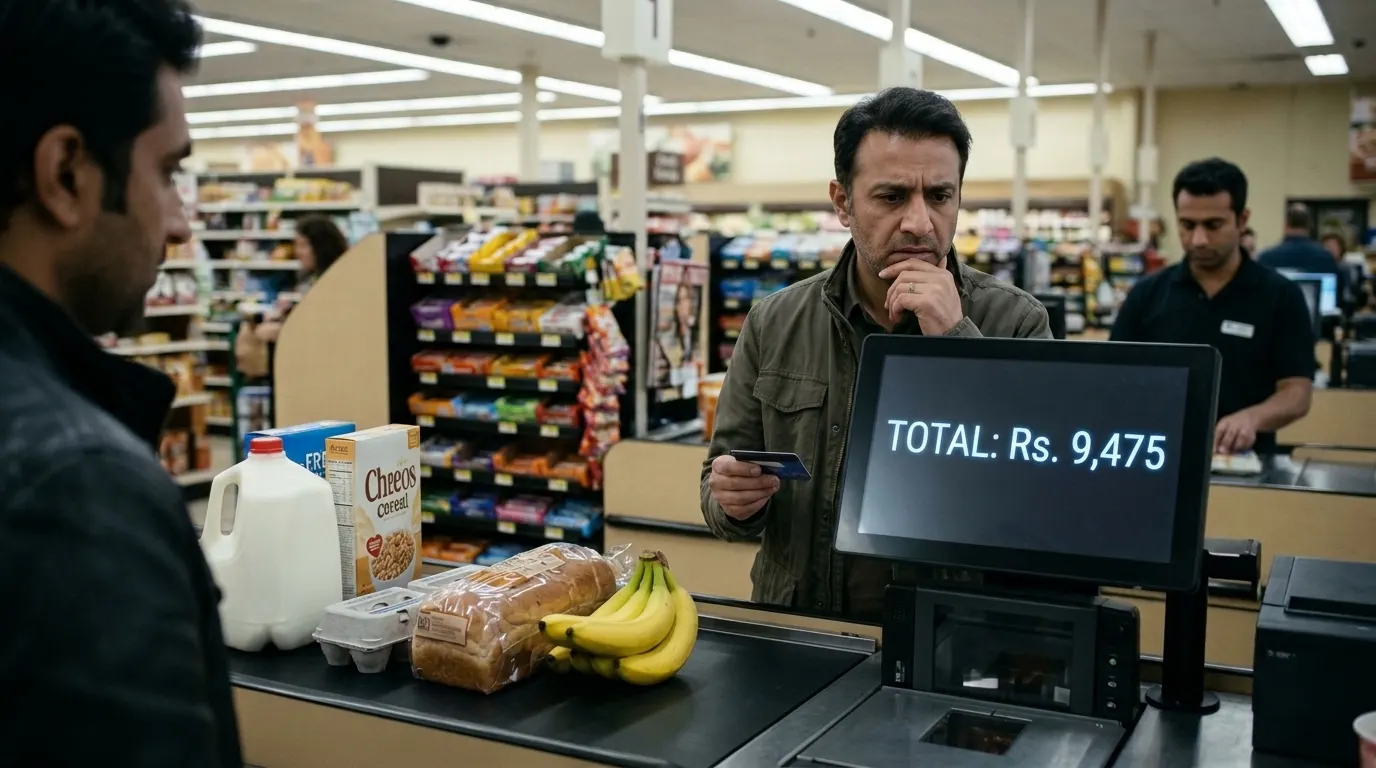
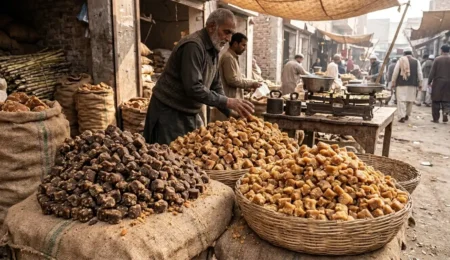
Grocery shopping has become a bigger budgeting challenge for many Pakistani households. Everyday purchases such as flour, rice, cooking oil, milk, eggs, pulses, vegetables, and tea can take a larger share of monthly income when prices rise. Even a small increase in several frequently purchased items can make a noticeable difference to the household budget.
Inflation is one reason behind these changes. It affects the cost of producing, transporting, processing, and selling food products. However, grocery prices do not all increase at the same rate. Some items become more expensive, while others may temporarily become cheaper because of seasonal supply or changes in market conditions.
In Pakistan, this difference is important for shoppers. Understanding how inflation works can help families plan grocery budgets, compare prices, and make more informed purchasing decisions.
What Is Inflation and Why Does It Matter for Grocery Shopping?
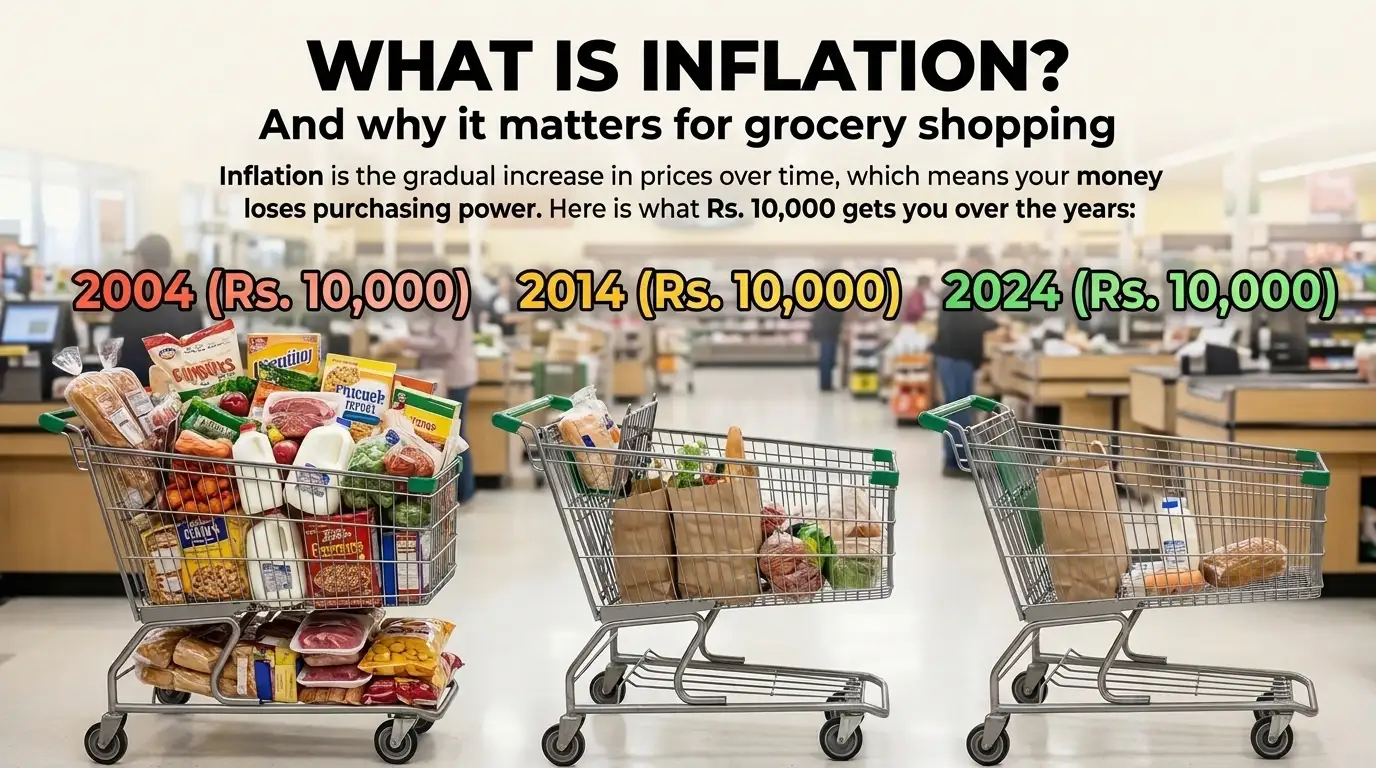
Inflation means a general increase in the prices of goods and services over time. When inflation rises, the same amount of money buys fewer goods than before. This reduces the purchasing power of households.
For example, suppose a family previously spent Rs. 15,000 on its regular grocery basket. If the prices of the items in that basket increase, the family may need more money to purchase the same quantities. Alternatively, it may have to reduce the quantity of certain products or choose less expensive alternatives.
Inflation does not mean every product becomes more expensive at the same time. The price of wheat flour may increase while the price of tomatoes falls. This is why shoppers should look at individual product prices rather than assuming that all grocery items follow one trend.
How Rising Food Costs Are Changing Grocery Shopping in Pakistan
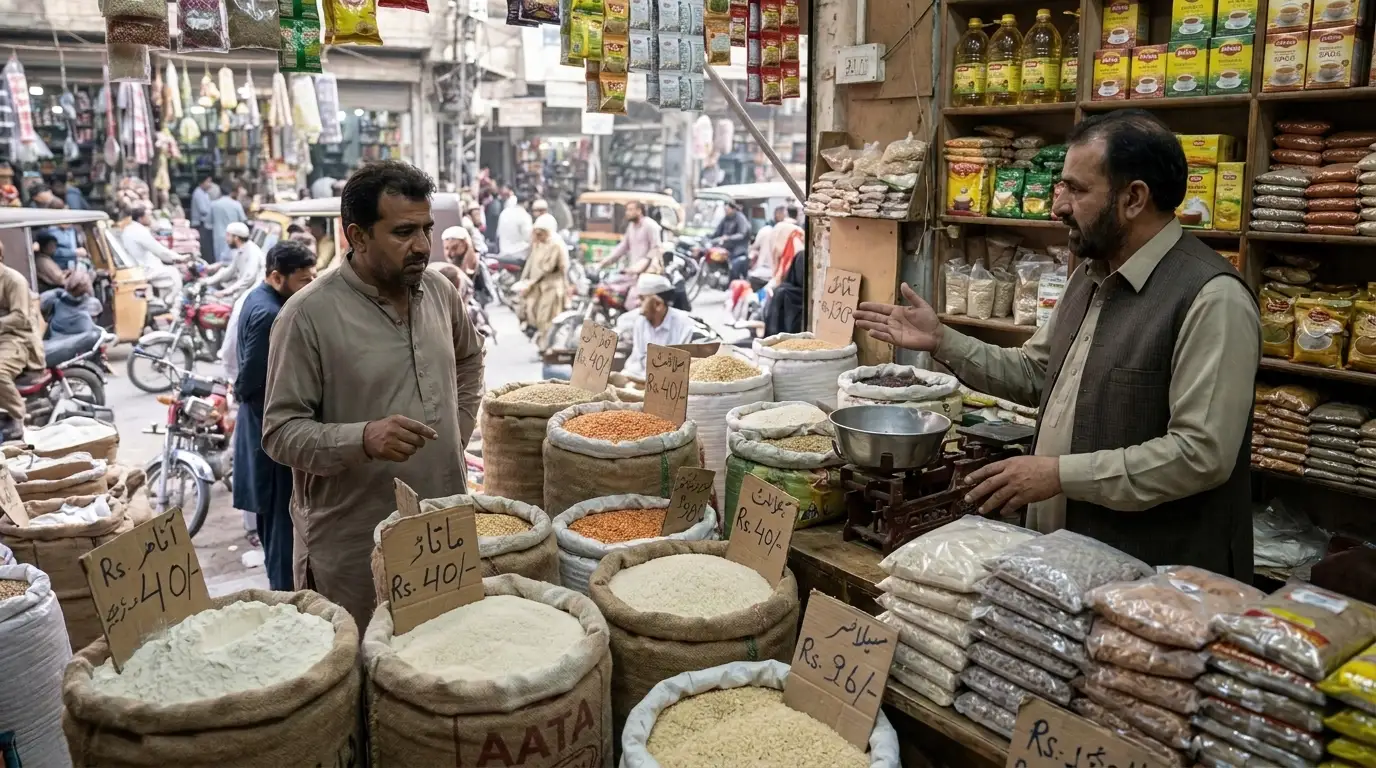
The impact of inflation can be seen in several parts of the grocery market. The following examples explain why household shopping costs can change.
1. Higher Prices of Essential Food Items
Essential food products are a regular part of household spending. Flour, rice, cooking oil, pulses, milk, eggs, and sugar are commonly purchased throughout the month.
When the prices of these items increase, families have fewer opportunities to avoid the additional expense because they are part of everyday meals. Even a modest increase in several products can raise the total grocery bill.
For example, a household that regularly purchases wheat flour, cooking oil, rice, and pulses may notice a higher monthly expense if several of these products become more expensive at the same time.
2. Cooking Oil and Ghee Become More Expensive
Cooking oil and ghee are important ingredients in Pakistani kitchens. Their prices can be affected by international edible oil markets, import costs, currency movements, processing expenses, and local distribution.
Pakistan’s dependence on imported edible oil means changes in international prices and import costs can influence the domestic market.
When cooking oil or ghee becomes more expensive, households may review the brands, pack sizes and quantities they purchase. However, comparing the price per litre or kilogram is more useful than choosing a product based only on its packet price.
3. Milk, Eggs and Other Dairy Products
Milk, yogurt, butter and eggs are regular purchases for many families. Their prices can be influenced by animal feed, farm expenses, transportation, refrigeration, packaging and distribution.
For packaged dairy products, brand and pack size also matter. Two products may have different prices because of their formulation, packaging, or quantity.
Consumers can compare different options through grocery stores and supermarkets rather than assuming that every retailer offers the same price.
4. Vegetables and Fruits Have Seasonal Price Changes
Fresh vegetables and fruits are among the grocery items whose prices can change quickly. Weather conditions, crop availability, harvesting periods, transportation, and supply disruptions can influence market rates.
For example, a vegetable may become expensive when supply is limited and become cheaper when more produce reaches wholesale and retail markets.
This is one reason why grocery inflation does not affect every product equally. A household may experience higher prices for some vegetables while finding lower prices for others during the same month.
5. Transportation and Distribution Costs Affect Retail Prices
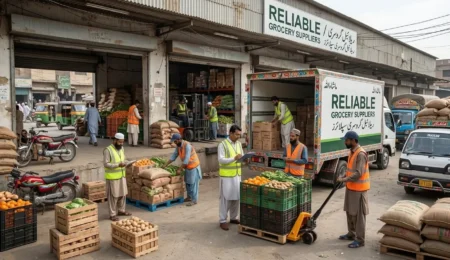
Food products often pass through several stages before reaching a grocery store. These stages may include farming, processing, packaging, storage, transportation, wholesale distribution, and retail selling.
When fuel, electricity, packaging, or transportation expenses rise, businesses may face higher operating costs. Some of these additional expenses can eventually be reflected in retail prices.
The Pakistan Economic Survey 2025–26 also discusses how energy and transportation disruptions can affect production costs, supply chains and food prices. Finance Division+1
What Do the Latest Inflation Figures Tell Us?

Pakistan Bureau of Statistics (PBS) publishes monthly Consumer Price Index (CPI) data and weekly Sensitive Price Indicator (SPI) reports. These measurements help consumers and researchers understand changes in the prices of household goods and essential commodities.
According to the October 2026 figures reported by PBS:
| Indicator | October 2026 |
|---|---|
| National CPI inflation (year-on-year) | 9.6% |
| CPI inflation in September 2026 | 10.3% |
| Monthly CPI change | +1.1% |
| Urban food inflation (year-on-year) | 7.8% |
| Rural food inflation (year-on-year) | 7.1% |
The October report also showed that some food prices increased while others declined. Chicken, pulse gram, wheat and wheat flour recorded monthly increases, whereas tomatoes, onions and potatoes recorded decreases. Dawn+1
What does this mean for grocery shoppers?
The annual inflation rate becoming lower does not automatically mean that grocery products have become cheaper. It means prices are increasing more slowly than they were during the comparison period. The actual price level may still be higher than it was a year earlier.
For consumers, checking current market prices is therefore more useful than relying only on the headline inflation rate.
You can consult the Pakistan Bureau of Statistics monthly inflation reports for official price statistics.
Why Do Grocery Prices Differ Between Stores?
Two grocery stores in the same city may sell similar products at different prices. Inflation is only one factor behind this difference.
Some common reasons include:
- Retailer pricing: Each store may have its own pricing and profit margins.
- Brand selection: Branded products can have different prices from unbranded or locally produced alternatives.
- Pack size: A larger pack may offer a different price per kilogram or litre.
- Promotions: Some supermarkets offer temporary discounts or promotional deals.
- Stock availability: Limited availability can affect the price of certain products.
- Location: Rent, transportation, and other operating costs may differ between areas.
This is why comparing grocery prices before shopping can help consumers make better purchasing decisions.
For more practical advice, read our article on how to compare grocery prices before shopping.
Practical Ways to Manage Your Grocery Budget During Inflation
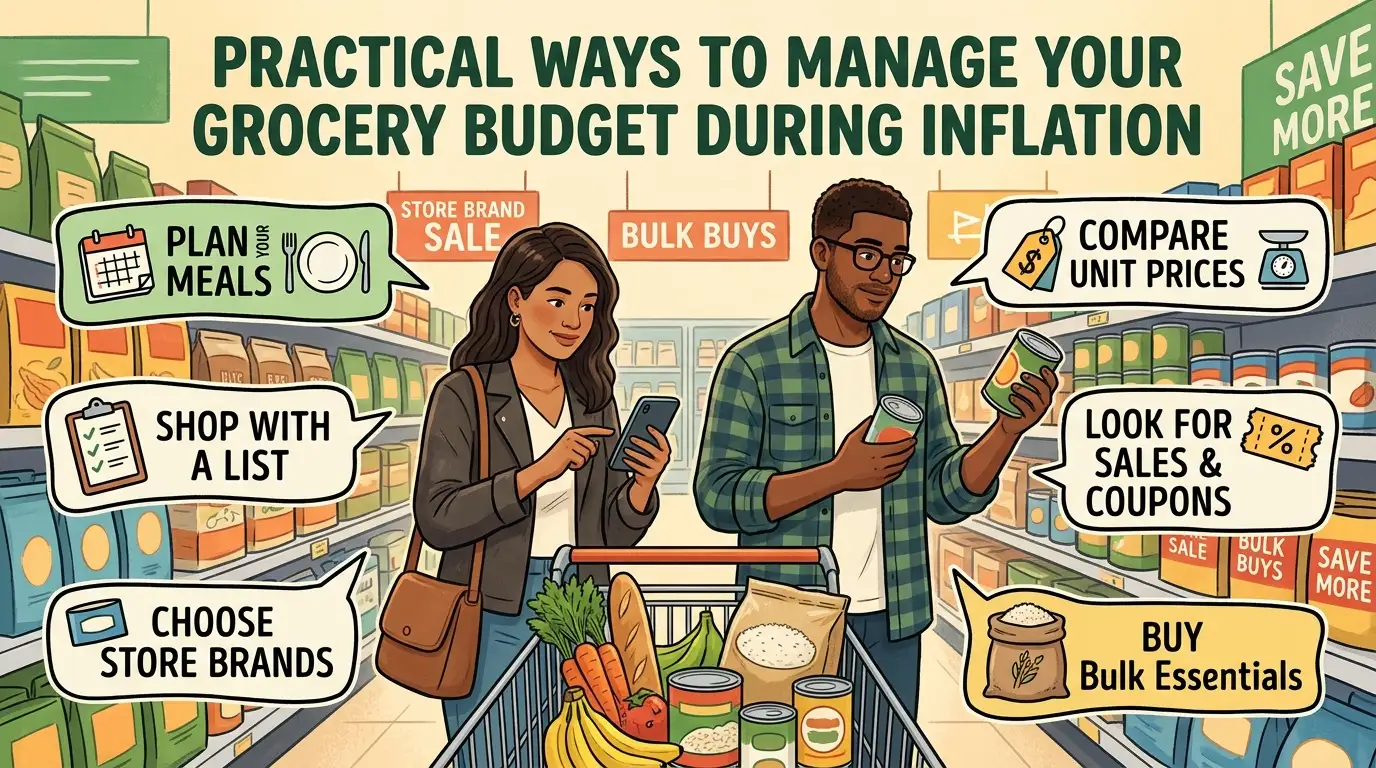
You cannot control the overall inflation rate, but you can make changes to how you plan and manage household shopping.
Prepare a Monthly Grocery List
Start by writing down the items your household regularly uses. Separate essential products from occasional purchases. This makes it easier to identify which products are necessary and where you can reduce unnecessary spending.
A grocery list can also prevent repeated trips to the market, which may add transportation costs.
Compare Prices Before Buying
Do not assume that the nearest store always offers the best price. Compare similar products across different retailers, keeping pack size and product quality in mind.
You can browse supermarkets in Pakistan and grocery stores on Grocer.pk to explore different shopping options.
Check the Price Per Kilogram or Litre
A small packet may look cheaper because its total price is lower. However, it may cost more per kilogram or litre than a larger pack.
Compare the unit price whenever possible. This gives you a fairer way to evaluate different brands and pack sizes.
Choose Seasonal Fruits and Vegetables
Seasonal produce can sometimes be more affordable because supply is higher during its main harvesting period. Check local market prices before deciding which vegetables and fruits to include in your weekly meals.
You do not need to remove nutritious foods from your shopping list. Instead, consider available seasonal alternatives.
Reduce Food Waste at Home
Food that expires or goes unused represents money spent without receiving its full value.
Store dry groceries properly, refrigerate suitable foods, check expiry dates, and plan meals around ingredients already available at home. Buying quantities that your household can realistically consume can also help reduce waste.
Explore Local Kiryana Stores and Online Grocery Options
Different shopping channels may suit different household needs. A local Kiryana store can be convenient for small purchases, while a supermarket may offer a wider selection of products.
You can also explore Kiryana stores in Pakistan and online grocery stores to compare available shopping options.
How Inflation Changes Household Shopping Habits
When grocery expenses increase, families may adjust their shopping habits in several ways.
Some households switch between brands, while others purchase smaller quantities or plan shopping trips more carefully. Consumers may also compare prices at different stores before buying frequently used products.
For example, a family that previously purchased all its groceries from one supermarket may start buying fresh vegetables from a local market and packaged products from a store offering better prices.
These decisions depend on household size, location, income, and product availability. There is no single shopping method that works for every family.
The important point is to understand the actual cost of products and make decisions based on household needs rather than buying something simply because it is advertised as a discount.
The Difference Between Inflation and Grocery Price Increases
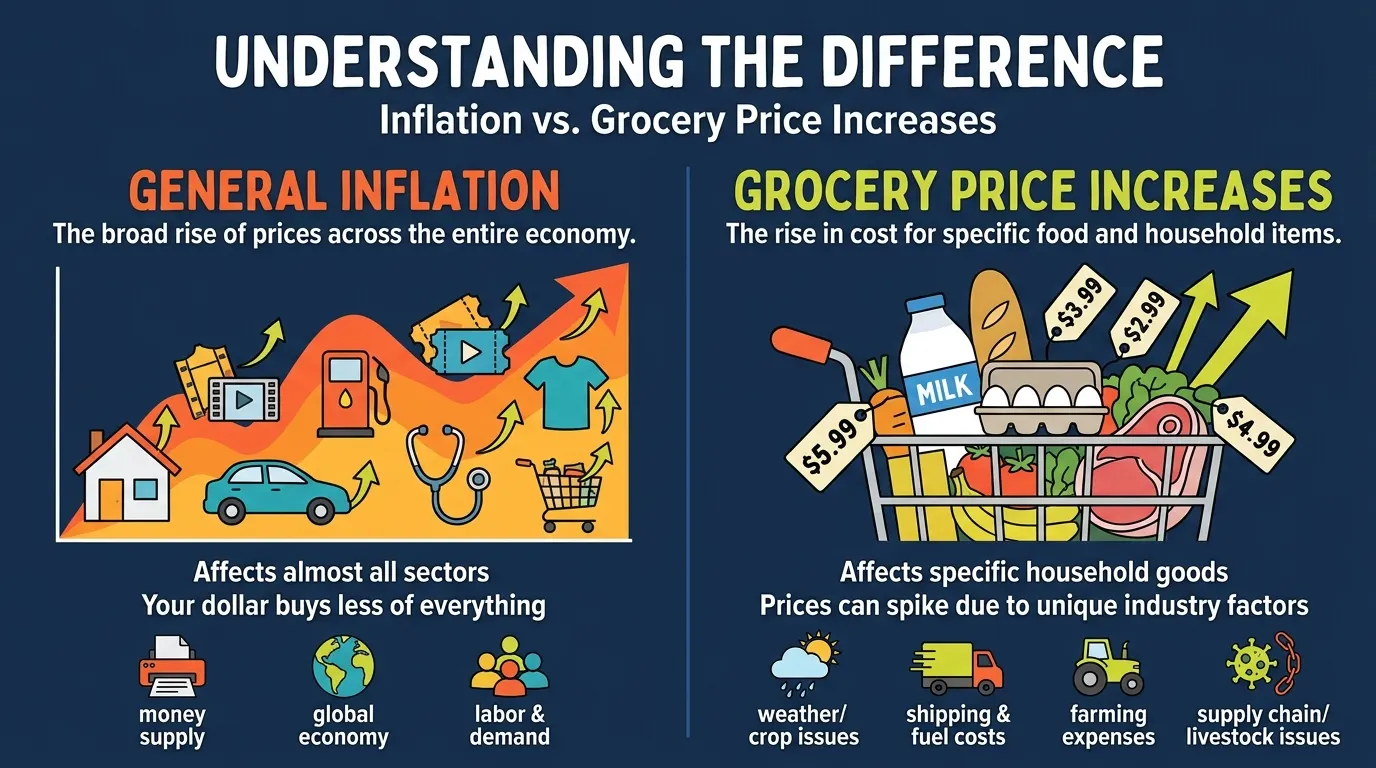
Inflation and individual grocery price changes are related, but they are not exactly the same thing.
Inflation measures the average change in prices across a selected basket of goods and services. Grocery prices refer to the actual selling prices of individual food products at a particular store or market.
For example, national CPI inflation may slow down during a month while the price of chicken increases because of changes in supply or market conditions.
Similarly, a decline in the price of tomatoes does not mean that the overall cost of grocery shopping has decreased.
Consumers should therefore consider both official inflation statistics and the actual prices they encounter when shopping.
Where Can You Find Grocery Stores and Supermarkets in Pakistan?
Finding suitable grocery stores can help shoppers compare products, prices, and shopping options in their area.
Grocer.pk provides a directory of grocery businesses across different locations in Pakistan. Visitors can browse supermarkets, local grocery shops, Kiryana stores, and online grocery businesses.
You can start by visiting the Grocer.pk homepage or browsing the main grocery categories. If you want to learn about household and grocery product brands, you can also visit the Brands section.
Business details such as addresses, phone numbers, and opening hours should be checked against the individual listing and confirmed with the store where necessary.
Frequently Asked Questions
1. How is inflation affecting grocery prices in Pakistan?
Inflation can increase the cost of essential food products, transportation, packaging, processing, and distribution. As a result, households may need to spend more money to purchase the same grocery quantities.
2. Why do grocery prices increase in Pakistan?
Grocery prices can increase because of higher production costs, fuel prices, transportation expenses, import costs, currency movements, seasonal shortages, and changes in market supply and demand.
3. Does lower inflation mean grocery prices are decreasing?
No. Lower inflation generally means prices are rising more slowly than before. It does not necessarily mean that products have become cheaper or returned to their previous prices.
4. Which grocery items are affected by inflation?
Common household products that may experience price changes include wheat flour, rice, cooking oil, ghee, pulses, milk, eggs, sugar, vegetables, and fruits. The extent of change depends on supply, demand, and market conditions.
5. How can families save money on groceries during inflation?
Families can prepare shopping lists, compare prices, check unit prices, reduce food waste, purchase seasonal produce, and avoid unnecessary purchases. Comparing retailers can also help identify suitable shopping options.
6. Where can I check official inflation and food price information in Pakistan?
The Pakistan Bureau of Statistics publishes monthly CPI reports and weekly SPI reports. These publications provide official information about changes in consumer prices and essential commodities.
Conclusion
Inflation has an important effect on grocery shopping in Pakistan because food and household essentials are regular expenses for most families. Changes in production costs, transportation, imports, and market supply can influence the prices consumers pay at grocery stores.
Although households cannot control inflation, they can manage their shopping more carefully by comparing prices, planning purchases, choosing seasonal products, and reducing food waste.
Understanding the difference between inflation rates and actual retail prices can also help consumers make more informed decisions. Grocer.pk aims to make it easier to explore grocery stores, supermarkets, Kiryana shops, and online grocery options across Pakistan.
Syed Abdul Manan is an SEO expert and WordPress specialist with over 10 years of experience in search engine optimization and WordPress development. He holds a Bachelor of Science in Computer Science (BSCS) and is the Founder & CEO of Grocer.pk, a searchable directory of grocery stores, supermarkets, kiryana shops, and online grocery businesses across Pakistan.
With a technical foundation in computer science, he has spent the past decade working on technical SEO, on-page optimization, content strategy, and building fast, well-structured WordPress websites. For more than six years, he has been developing and managing Grocer.pk, which now covers major cities including Lahore, Karachi, Islamabad and Faisalabad, helping people find nearby stores by city, area and category, along with locations, contact details and map links.
Syed Abdul Manan runs Grocer.pk with a professional, quality-focused approach, combining clean site architecture, structured listings and practical grocery guides to serve both shoppers and business owners. His goal is to help local businesses build a stronger online presence and to help users find reliable local information quickly.
Connect with him on LinkedIn.