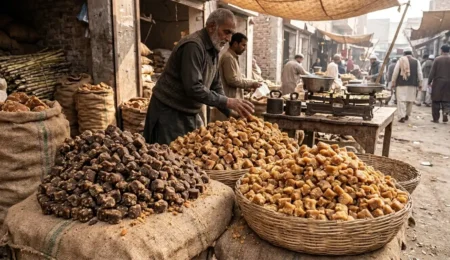
How to Spot Fake and Counterfeit Grocery Products in Pakistan
Buying groceries is part of everyday life, but not every product sold in a familiar-looking package is necessarily genuine. Fake grocery products, counterfeit food items, altered expiry dates, and damaged packaging can create problems for consumers who rely on supermarkets, local grocery shops, and online stores for their household needs.
A product may look similar to a familiar brand but contain different ingredients, carry misleading information, or come from an unauthorised source. In some cases, the issue is not counterfeiting but adulteration, tampering, or improper storage.
Consumers in Pakistan can reduce these risks by checking product labels, packaging, seals, batch numbers, manufacturing details, and seller information before purchasing. These checks cannot prove authenticity in every case, but they can help identify warning signs and make better shopping decisions.
What Are Fake Grocery Products?
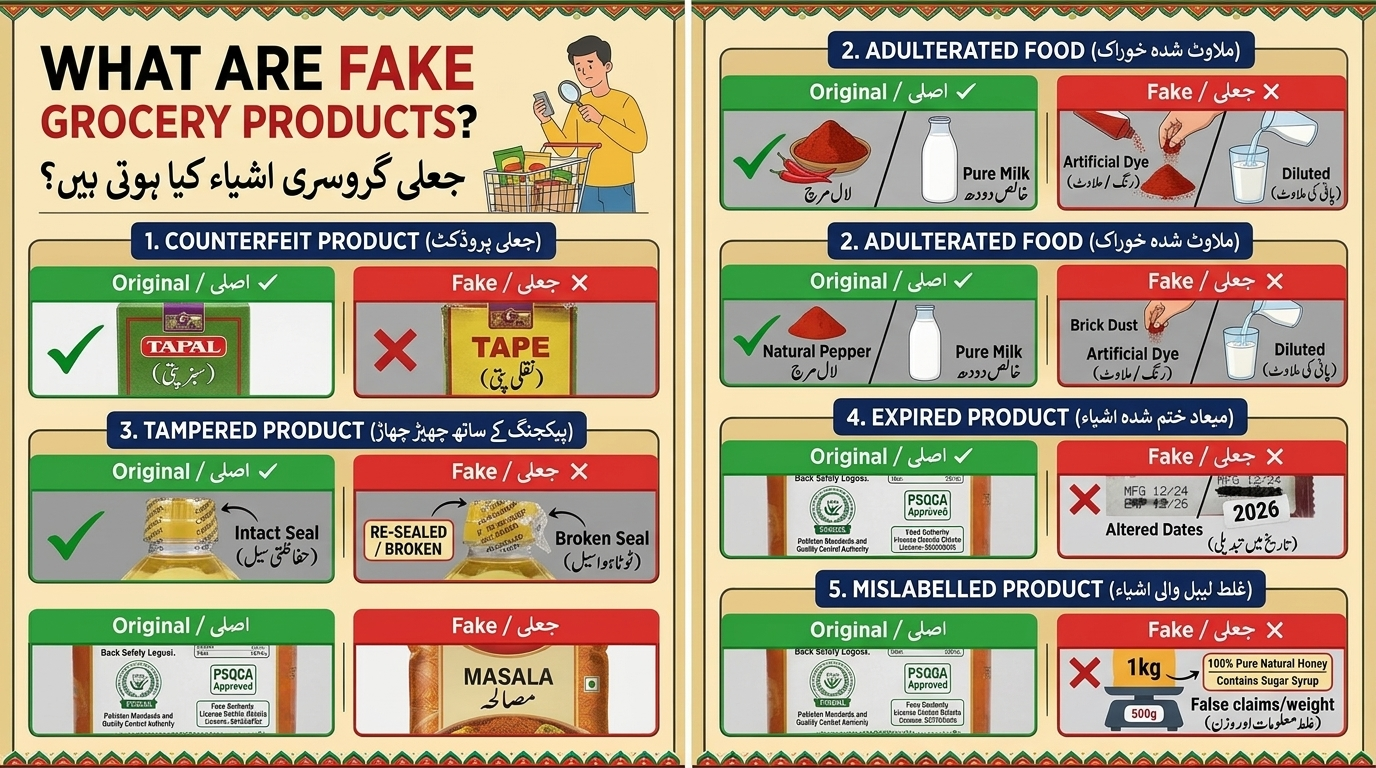
Fake Grocery Products are items misleadingly presented to consumers. They may imitate a recognised brand, use copied packaging, or claim to meet contents or quality standards that they do not actually meet.
Counterfeit grocery products are generally unauthorised products that imitate another brand’s name, logo, packaging, or identity to make buyers believe they are purchasing the genuine item.
However, several other product problems are often confused with counterfeiting.
| Product problem | What it means |
|---|---|
| Counterfeit product | An unauthorised imitation presented as a genuine branded product |
| Adulterated food | Food in which ingredients or substances have been added, removed, or substituted in a misleading or unsafe way |
| Tampered product | A product whose original packaging or contents may have been interfered with |
| Expired product | A product sold or used beyond its applicable expiry date |
| Mislabelled product | A product carrying incorrect, incomplete, or misleading information |
These differences matter because a damaged packet does not automatically mean the product is counterfeit. Similarly, an expired product may be genuine but still unsuitable for purchase or consumption.
10 Ways to Spot Fake Grocery Products
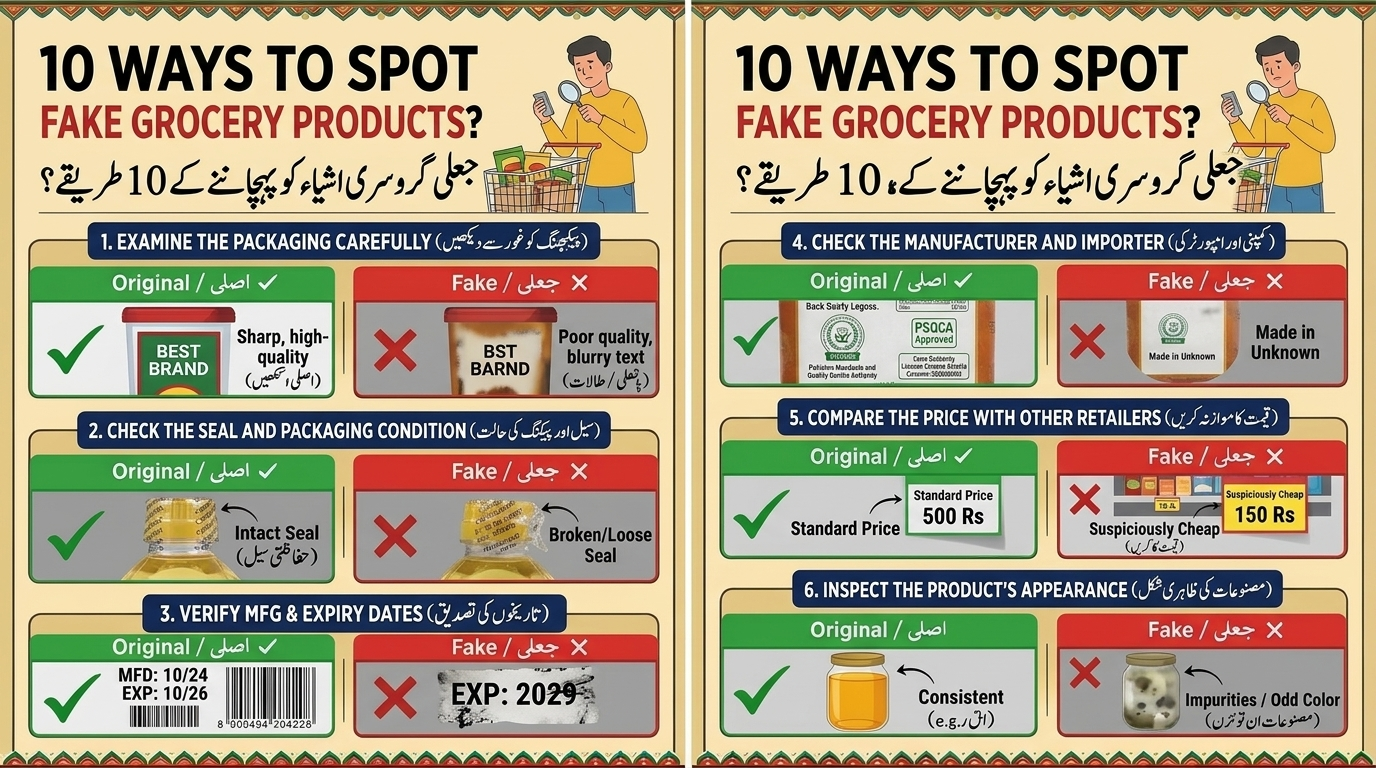
No single visual test can identify every counterfeit product. Instead, look for several warning signs and compare the item with reliable information from the manufacturer.
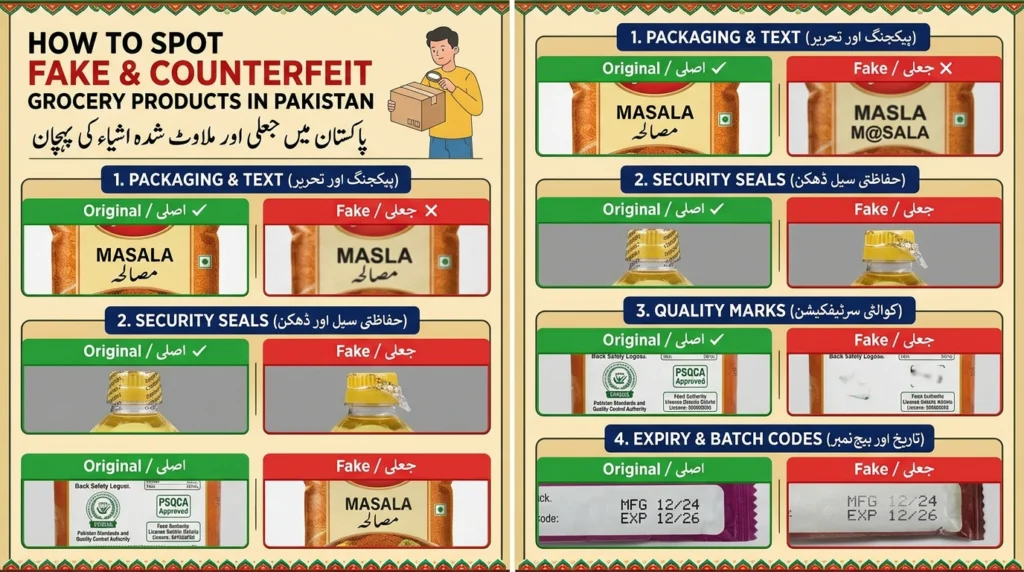
1. Examine the Packaging Carefully
Packaging is one of the first things to inspect when buying packaged groceries.
Established brands generally use consistent packaging designs, product information, and printing quality. A suspicious product may have noticeable differences from the packaging you normally see.
Look for:
- Blurry or poorly printed brand logos
- Misspelled product names or incorrect wording
- Unusual colours or different packaging designs
- Poor-quality printing or unclear text
- Labels that appear pasted over other information
- Incorrect product descriptions or inconsistent brand details
Compare the suspicious item with another pack of the same product from a reliable retailer, or check the packaging shown on the manufacturer’s official website.
A packaging difference is a reason to investigate, not proof of fake grocery products. Brands sometimes update their designs or use different packaging for different markets.
2. Check the Seal and Packaging Condition
Before buying a grocery product, examine whether its original packaging is properly closed.
Pay attention to:
- Broken or missing safety seals
- Torn or punctured packets
- Opened caps or loose lids
- Signs of glue or resealing
- Leaking liquid or powder
- Damaged vacuum packaging
- Unusual swelling in cans or containers
For example, cooking oil bottles, bottled drinks, sauces, milk products, and jars may have closures or seals designed to show whether the package has been opened.
Do not purchase a product if its packaging appears to have been opened or tampered with. A broken seal does not establish counterfeiting, but it is enough reason to avoid the item.
3. Verify the Manufacturing and Expiry Dates
Manufacturing and expiry dates help consumers understand a product’s age and suitability for use.
Check that the dates are:
- Clearly printed or permanently marked
- Readable without removing or damaging the label
- Consistent with the product’s packaging
- Not visibly scratched, overwritten, or covered by another sticker
Be cautious if the expiry date appears to have been changed, printed unusually, or placed over another date.
Also check the batch or lot number. This information helps manufacturers identify specific production batches when investigating complaints or product quality issues.
If a date or batch number looks suspicious, contact the manufacturer using contact details from its independently verified official website.
For more information about product labels, read How to Read a Grocery Product Label in Pakistan.
4. Check the Manufacturer and Importer Information
A genuine packaged food product should provide the identifying information required under the applicable food labelling rules.
Depending on the product and its category, check for:
- Manufacturer’s name
- Manufacturing address
- Importer’s or distributor’s details, where applicable
- Country of origin, where required
- Ingredients list
- Net weight or volume
- Batch or lot number
- Manufacturing and expiry dates
- Storage instructions
- Relevant registration or certification information, where applicable
Missing or unclear manufacturer details should make you cautious.
For imported grocery products, look for the importer or distributor information required under the applicable Pakistani rules. A foreign-language package or imported appearance does not automatically mean a product is genuine.
The Punjab Food Authority publishes product labelling requirements that include manufacturing and expiry dates, batch numbers, ingredients, net content, manufacturer details, and other information.
Official reference: Punjab Food Authority – Label Approval and Product Registration.
5. Compare the Price With Other Retailers
An unusually low price can be a warning sign, especially when a branded product is being sold at a price significantly below what established retailers normally charge.
For example, if a familiar cooking oil, tea, detergent, or packaged food product is being offered at a surprisingly low price, check why the seller is offering that price.
Possible explanations include:
- A genuine promotional discount
- Clearance of older stock
- A different pack size
- A different product variant
- An unauthorised or suspicious supply source
Compare the exact brand, variant, and quantity before judging the price.
A lower price does not prove that a product is counterfeit. However, a seller who cannot explain an unusually large price difference or provide a proper purchase record deserves extra caution.
6. Inspect the Product’s Appearance
Packaging is not the only thing worth checking. Once you have purchased a product, inspect it before use.
Be cautious if you notice:
- Unusual colour or texture
- Unexpected separation or discolouration
- Visible mould
- Unusual odour
- Foreign particles
- Unexpected changes in consistency
- Liquid leaking from the container
For example, cooking oil that looks unusually cloudy, powdered food with visible foreign material, or a sealed drink with an abnormal appearance should not be used without proper clarification.
Do not taste a suspicious product to check whether it is genuine. Appearance and smell are warning signs, not reliable tests of food safety. Some harmful contamination cannot be detected through the senses.
If the product appears abnormal, stop using it and contact the seller or relevant food authority.
7. Do Not Rely Only on Barcodes and QR Codes
Many consumers scan a barcode or QR code to check whether a product is genuine. These tools can provide useful product information, but scanning a code does not automatically prove authenticity.
A barcode may identify a product or product category, while a QR code may direct users to a website or display additional information. However, codes and their printed images can sometimes be copied onto unauthorised packaging.
When scanning a QR code:
- Check the website address before opening it.
- Be cautious of unfamiliar or misspelled website domains.
- Compare the information with the manufacturer’s official website.
- Do not enter personal or payment details on an unverified page.
- Contact the manufacturer if the code produces unexpected information.
A barcode scan should be treated as one supporting check, not a final authenticity test.
8. Buy From Reliable Grocery Stores and Suppliers
Where you buy a product can make a difference.
Established supermarkets, authorised distributors, and reputable grocery retailers are generally better starting points than unknown sellers with no clear business information.
When purchasing from a grocery store, consider:
- Whether the business provides a proper receipt
- Whether products are stored appropriately
- Whether packaging is intact
- Whether the retailer can identify its supplier
- Whether the seller has a clear return or complaint process
For online grocery shopping, check the website or seller’s identity, business contact details, product descriptions, and return policy before placing an order.
Avoid sellers who refuse to provide basic product information or cannot explain where branded products come from.
You can browse supermarkets in Pakistan, grocery stores, and online grocery stores on Grocer.pk when comparing shopping options.
9. Verify Suspicious Products With the Brand
If you are unsure whether a product is genuine, contact the company responsible for the brand.
Use contact information from the brand’s official website rather than relying entirely on a phone number or web address printed on suspicious packaging.
You can share:
- Product name and variant
- Photographs of the front and back of the package
- Batch or lot number
- Manufacturing and expiry dates
- Barcode or QR code information
- Purchase receipt
- Name and location of the retailer
Ask the company whether it can verify the batch information or advise you about the packaging.
Some manufacturers may offer product verification through a customer helpline, official website, or other support channel. Availability depends on the brand.
Do not assume that a product is genuine simply because someone responds to a message on social media claiming to represent the company.
10. Be Careful With Products Sold Without Proper Packaging
Some grocery products are commonly sold loose or in bulk, including spices, pulses, flour, rice, dry fruits, and cooking ingredients.
These products may not have individual retail packaging, so consumers cannot always check a manufacturer’s batch number or sealed label.
When buying loose grocery items, pay attention to:
- Cleanliness of the shop and storage containers
- Protection from dust, moisture, and insects
- Visible contamination or foreign particles
- Whether the seller can identify the product’s source
- Whether the product is stored separately from chemicals or non-food items
- Whether the seller provides an accurate weight and price
For packaged goods, check the original label and seal. For loose products, the seller’s sourcing and storage practices become particularly important.
Common Grocery Products That Deserve Extra Attention
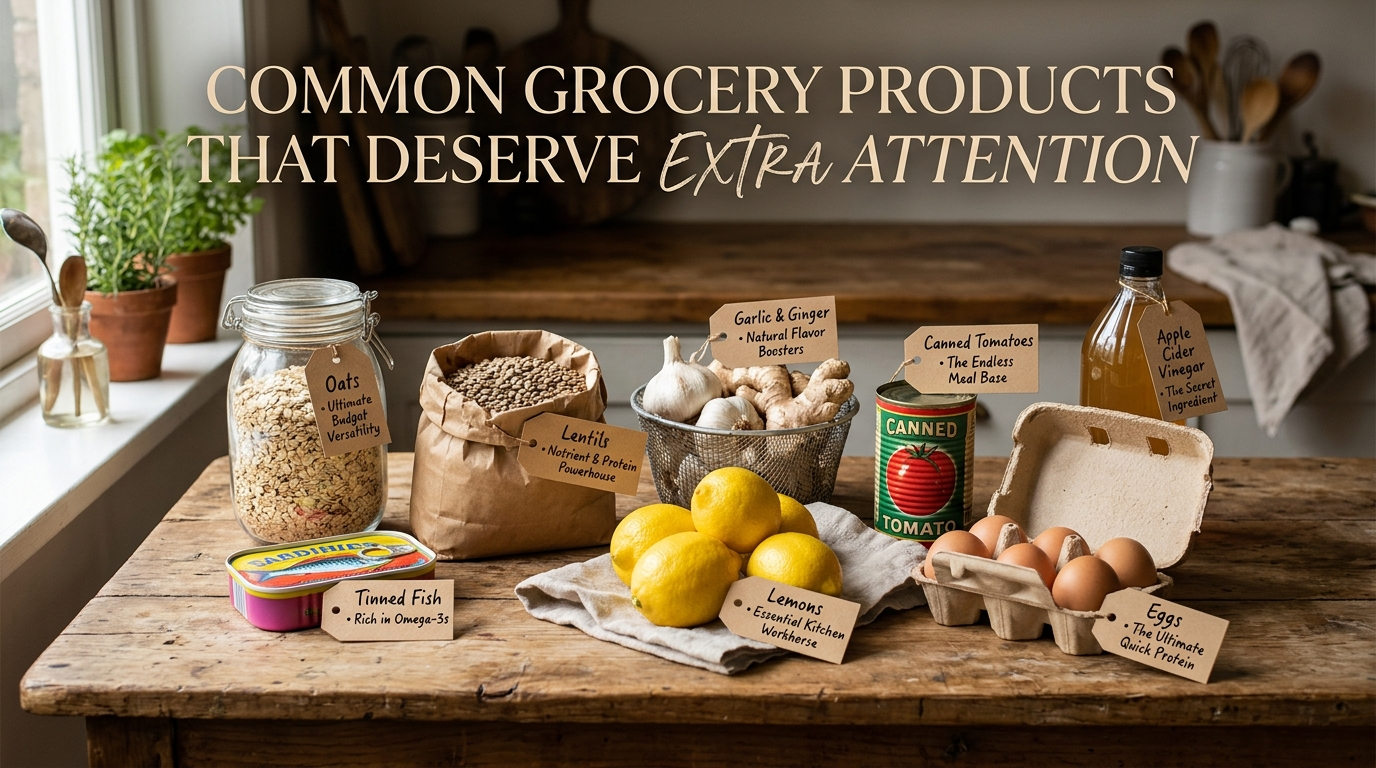
Different grocery categories have different packaging and storage requirements. The following checks can help consumers make more informed decisions.
| Product category | What to check |
|---|---|
| Cooking oil and ghee | Original seal, brand label, batch number, dates, and unusual appearance |
| Tea and coffee | Packaging print, product name, seal, manufacturer details, and net weight |
| Milk and dairy products | Expiry date, refrigeration requirements, packaging condition, and storage instructions |
| Spices and powdered foods | Ingredients, manufacturer details, foreign particles, and packaging integrity |
| Rice, flour, and pulses | Product identity, net weight, cleanliness, storage, and seller information |
| Biscuits and snacks | Wrapper condition, expiry date, batch number, and ingredient information |
| Bottled drinks and sauces | Cap seal, leakage, label information, and unusual appearance |
| Detergents and household products | Brand identity, packaging, manufacturer details, and product instructions |
This table is a practical shopping checklist, not a list of products that are necessarily counterfeit or unsafe.
What Should You Do If You Buy Suspicious or Fake Grocery Products?
If you suspect that a grocery product is counterfeit, tampered with, or incorrectly labelled, do not consume or use it while the concern remains unresolved.
Follow these steps:
Step 1: Stop using the product
Do not taste, consume, or apply a fake grocery product. Keep it away from children and other household members.
Step 2: Keep the packaging
Do not throw away the packet, bottle, label, or remaining contents. The packaging may contain important information for an investigation.
Step 3: Take photographs
Photograph the front and back of the package, seal, batch number, manufacturing date, expiry date, and any suspicious marks.
Step 4: Keep your purchase receipt
A receipt can help establish where and when the product was purchased. If you bought it online, save the order confirmation and seller details.
Step 5: Contact the retailer and manufacturer
Explain the concern and share the product information. Ask the retailer about its complaint or return process and contact the manufacturer for batch verification.
Step 6: Report the concern to the relevant food authority
If the issue involves suspected counterfeit, adulterated, or unsafe food, report it to the food authority responsible for your province.
Do not discard the product before receiving instructions if an authority or manufacturer needs it for inspection.
Where Can You Report Fake or Adulterated Food Products in Pakistan?
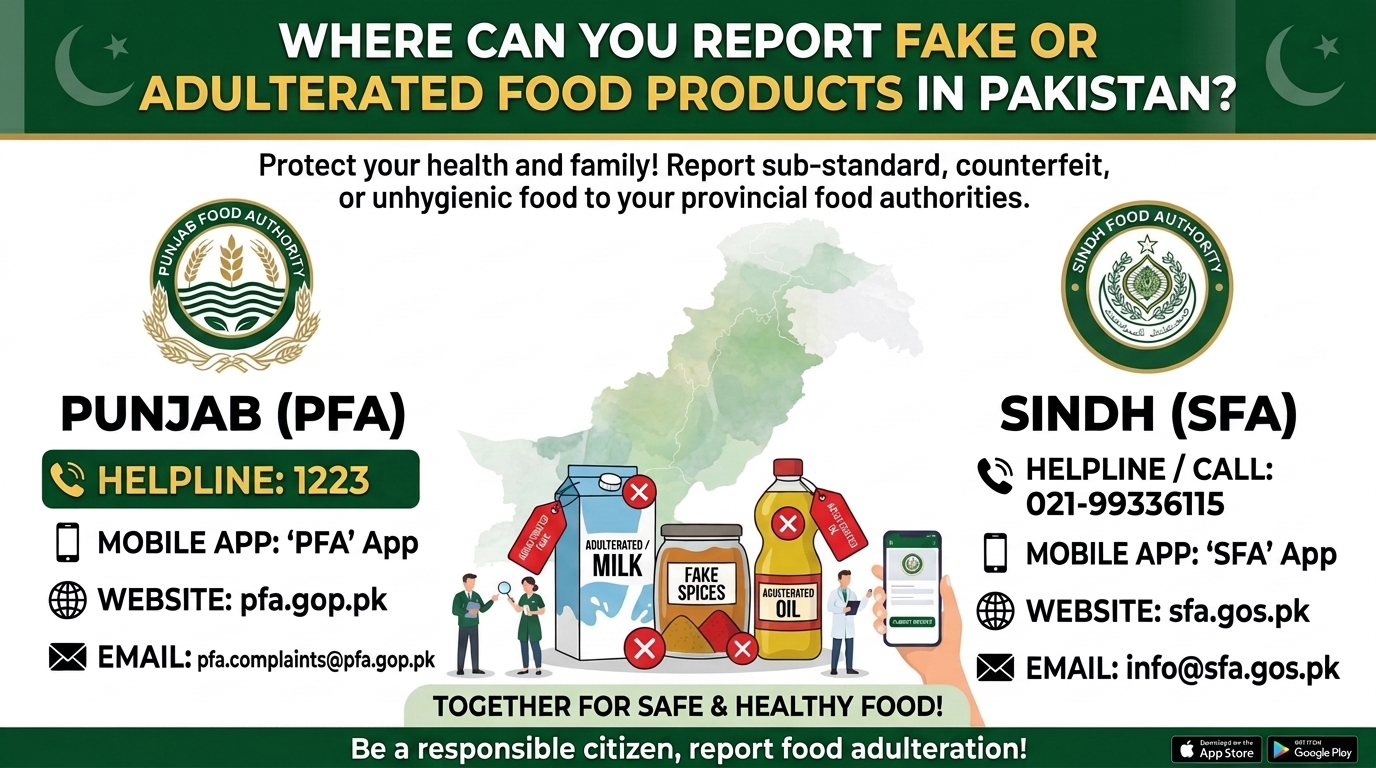
Food safety complaints should be directed to the relevant authority. Contact information and complaint procedures can differ by province.
Punjab Food Authority (PFA)
Consumers in Punjab can contact the Punjab Food Authority about suspected counterfeit or adulterated food products.
- Helpline: 1223
- WhatsApp: 0333 1017300
- Email: pfa.complaints@pfa.gop.pk
- Website: Punjab Food Authority
The PFA provides complaint options through its helpline, official application, social media, and WhatsApp.
Sindh Food Authority (SFA)
Consumers in Sindh can contact the Sindh Food Authority regarding food safety concerns.
- Helpline: 021-99336115
- WhatsApp: 0330 0116553
- Email: info@sfa.gos.pk
- Website: Sindh Food Authority
When reporting a complaint, provide the product name, retailer location, batch information, photographs, and purchase details where available.
For complaints outside Punjab and Sindh, check the official food authority or relevant government department for your province.
How Grocery Stores Can Help Prevent Counterfeit Products
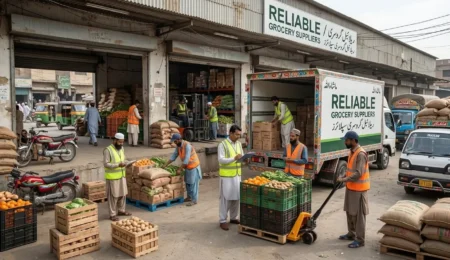
Retailers also have an important role in protecting consumers. Grocery stores and supermarkets should take reasonable steps to verify their suppliers and inspect products before displaying them for sale.
Useful practices include:
- Purchasing branded products through identifiable suppliers
- Keeping supplier invoices and purchase records
- Checking packaging and seals when stock arrives
- Reviewing manufacturing dates and expiry dates
- Storing products according to their instructions
- Separating damaged or suspicious stock from saleable products
- Responding to customer complaints
- Cooperating with manufacturers and food authorities when concerns arise
Retailers should not continue selling a product simply because it came through a familiar distributor. Suspicious stock should be investigated before it reaches customers.
Frequently Asked Questions
How can I identify Fake Grocery Products?
Check packaging quality, seals, manufacturing and expiry dates, batch numbers, manufacturer information, and seller details. Compare suspicious items with information from the brand’s official website. No single visual check can guarantee authenticity.
What is the difference between fake and counterfeit products?
A fake product is a broad term for an item that is misleading or not genuine. A counterfeit product specifically imitates another brand’s identity, packaging, or product presentation without proper authorisation.
Does a barcode prove that a grocery product is genuine?
No. A barcode can help identify a product, but its presence does not independently prove authenticity. Barcodes can be copied, so check other product details and verify suspicious items with the manufacturer.
Is a very cheap branded grocery product always fake?
No. Discounts, promotions, clearance sales, and different pack sizes can explain lower prices. However, an unusually large price difference combined with unclear seller details or suspicious packaging should prompt further checks.
What should I do if the expiry date looks changed?
Avoid purchasing or using the product. Keep photographs of the packaging and batch details, and report the concern to the retailer, manufacturer, or relevant food authority.
Can counterfeit grocery products be harmful?
They can pose risks because their ingredients, manufacturing conditions, storage, and quality may not be properly controlled. The actual risk depends on the product and the nature of the problem.
Where can I report fake food products in Pakistan?
Consumers can contact the food authority responsible for their province. In Punjab, the Punjab Food Authority provides helpline 1223 and WhatsApp complaint options. In Sindh, consumers can contact the Sindh Food Authority at 021-99336115.
Are imported grocery products always genuine?
No. Imported appearance, foreign-language packaging, or an international brand name does not guarantee authenticity. Check the product information, importer details, packaging, and source of purchase.
Final Thoughts
Fake Grocery Products can be difficult to identify because unauthorised items may imitate genuine packaging. Consumers should not rely on one sign, such as a low price, barcode, or packaging design, to decide whether a product is authentic.
Instead, check the complete label, batch number, dates, seal, manufacturer details, and seller information. Buy from retailers with identifiable business details, keep receipts, and contact the manufacturer when something appears suspicious.
If you suspect that a grocery product is counterfeit, adulterated, or tampered with, do not use it. Preserve the packaging and report the concern to the relevant food authority.
A few careful checks during grocery shopping can help consumers make more informed purchasing decisions and encourage better practices across Pakistan’s grocery retail sector.
Syed Abdul Manan is an SEO expert and WordPress specialist with over 10 years of experience in search engine optimization and WordPress development. He holds a Bachelor of Science in Computer Science (BSCS) and is the Founder & CEO of Grocer.pk, a searchable directory of grocery stores, supermarkets, kiryana shops, and online grocery businesses across Pakistan.
With a technical foundation in computer science, he has spent the past decade working on technical SEO, on-page optimization, content strategy, and building fast, well-structured WordPress websites. For more than six years, he has been developing and managing Grocer.pk, which now covers major cities including Lahore, Karachi, Islamabad and Faisalabad, helping people find nearby stores by city, area and category, along with locations, contact details and map links.
Syed Abdul Manan runs Grocer.pk with a professional, quality-focused approach, combining clean site architecture, structured listings and practical grocery guides to serve both shoppers and business owners. His goal is to help local businesses build a stronger online presence and to help users find reliable local information quickly.
Connect with him on LinkedIn.