Types of Daal Commonly Used in Pakistani Cooking
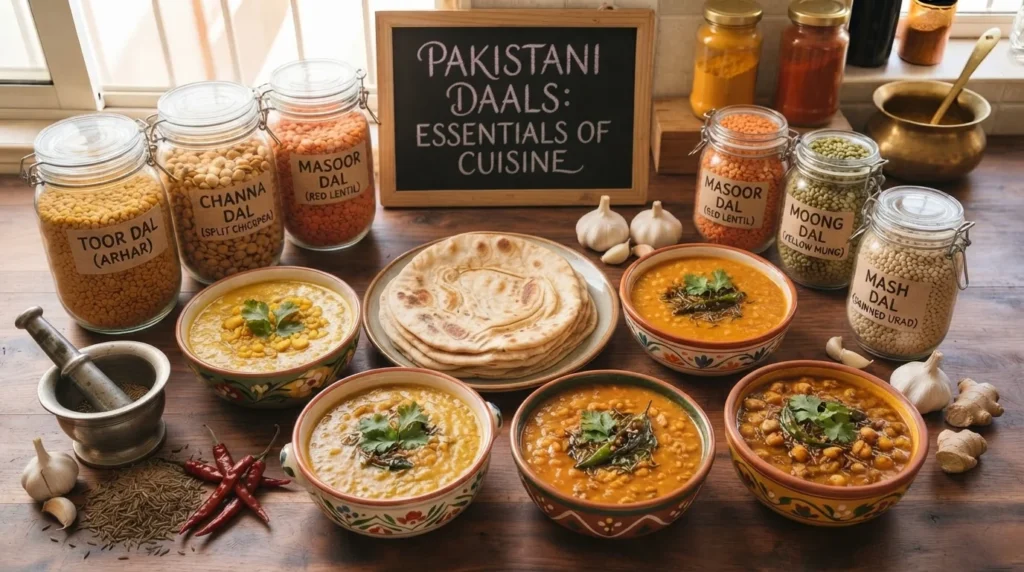
Daal is one of the most familiar foods in Pakistani homes. It can be served with rice, roti, or another part of a meal, and the word “daal” covers several different pulses rather than one particular ingredient.
Masoor ki daal, moong ki daal, daal mash and daal chana all have their own colour, texture, cooking characteristics and flavour. Some cook relatively quickly and become soft and creamy, while others retain more texture and produce a thicker, heartier dish.
For many families, the choice depends on what is being cooked that day. A simple bowl of daal with rice can be very different when made with masoor, moong, or chana daal.
What Is Daal?
Daal is the common South Asian term used for cooked pulses and, in everyday Pakistani usage, the dishes prepared from them.
Pulses are the edible dried seeds of legume plants. They include lentils, chickpeas, mung beans and other dried legumes. Pakistan Agricultural Research Council identifies chickpea, lentil, mung bean and black gram or mash bean among the country’s major pulse crops.
In Pakistani kitchens, “daal” can therefore refer to both the ingredient and the prepared dish.
The most familiar varieties include:
- Masoor daal
- Moong daal
- Mash daal
- Chana daal
- Mixed daal
- Chilka moong
- Whole moong
- Whole masoor and other regional varieties
The exact selection differs between households and regions.
1. Masoor Ki Daal
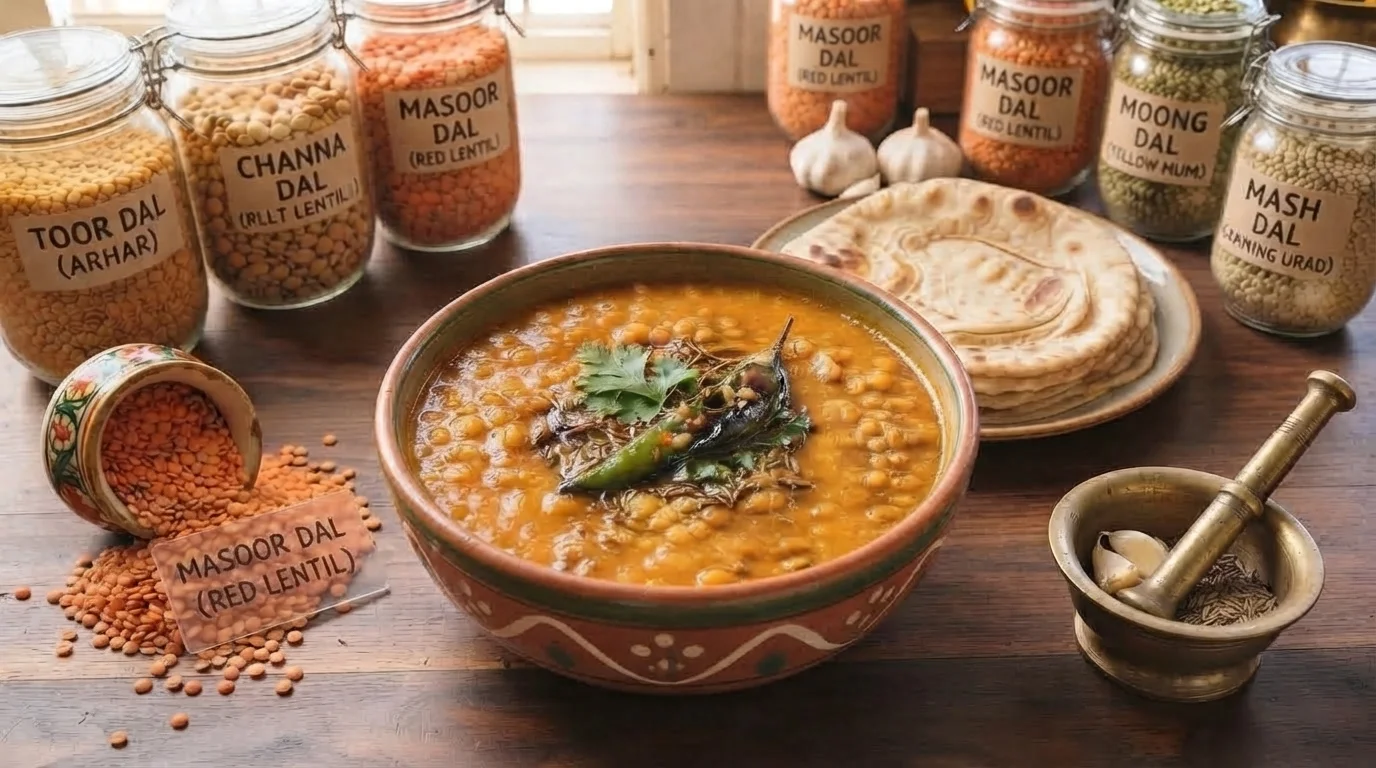
Masoor ki daal is one of the most familiar choices for everyday cooking in Pakistan.
The commonly used red split masoor has a distinctive orange-red colour when dry and becomes soft relatively quickly during cooking. Once cooked, it can produce a smooth, moderately thick daal that works well with a simple tarka.
Masoor daal is often prepared with ingredients such as:
- Onion
- Tomato
- Garlic
- Green chilli
- Turmeric
- Red chilli
- Cumin
- Coriander
- Lemon
The final recipe can be very simple or more heavily seasoned depending on the household.
What is masoor ki daal used for?
Masoor is suitable for everyday daal, especially when you want a relatively quick-cooking pulse.
It can be served with:
- Steamed rice
- Roti
- Chapati
- Paratha
- Salad and achar
It can also be combined with other pulses to make mixed daal.
Pakistan’s official food-price statistics separately identify masoor pulse, showing that it remains a distinct commodity category in household food markets.
2. Moong Ki Daal
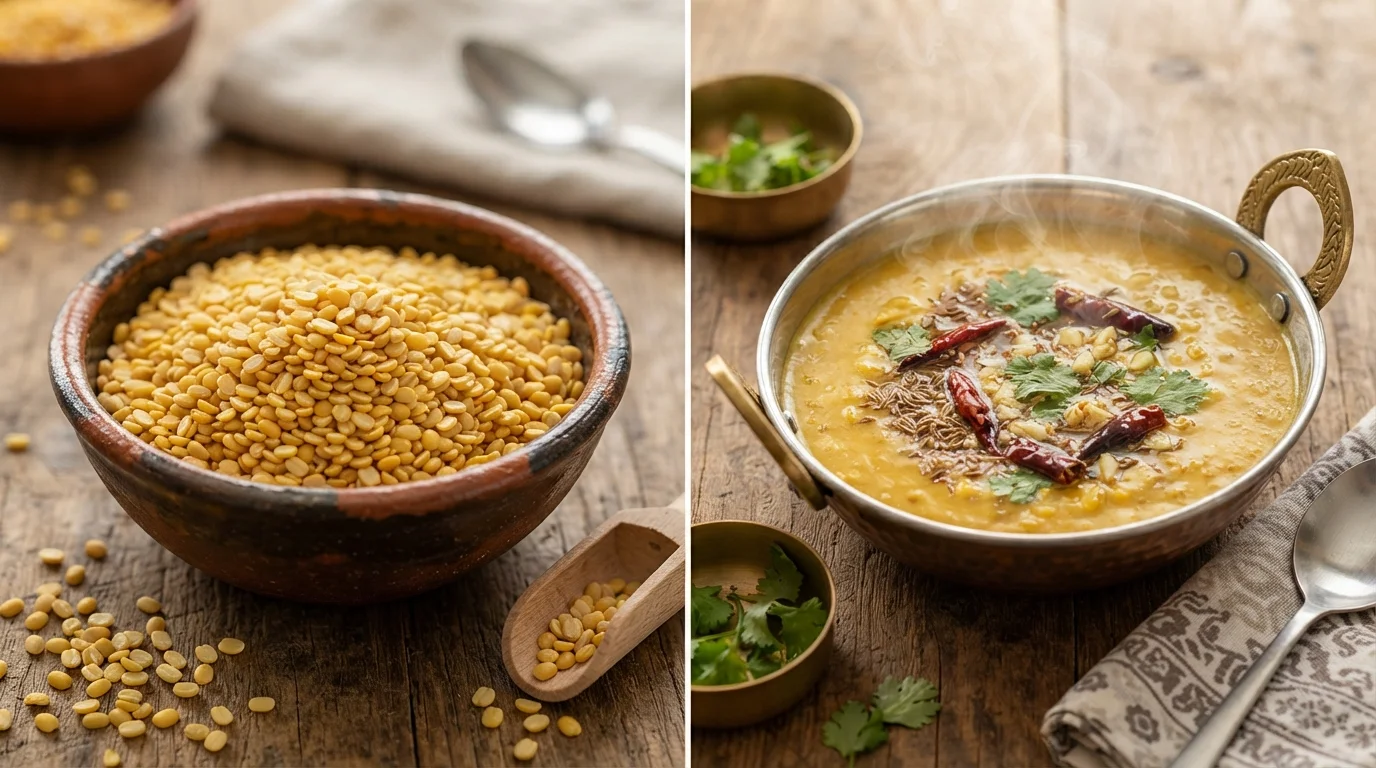
Moong ki daal comes from mung beans. The form most commonly recognized in everyday cooking is split moong, which can be yellow when the outer skin has been removed.
Moong has a comparatively mild flavour, making it useful when the daal itself is meant to remain fairly light and the seasoning is kept simple.
A basic moong daal may use:
- Turmeric
- Salt
- Cumin
- Garlic
- Green chilli
- Red chilli
- Lemon
- A simple tarka
Types of moong used in Pakistani cooking
You may encounter several forms of moong:
Yellow split moong: The skin is removed, and the bean is split. This is commonly used for a smooth, soft daal.
Chilka moong: The green outer skin remains while the bean is split. It has a different appearance and texture from skinned yellow moong.
Whole green moong: The complete mung bean is used rather than splitting and removing the skin.
These varieties should not be treated as the same ingredient. Their cooking time, texture, and final appearance can differ.
Moong is also one of the pulse categories separately monitored in Pakistan’s official food-price data.
3. Daal Mash
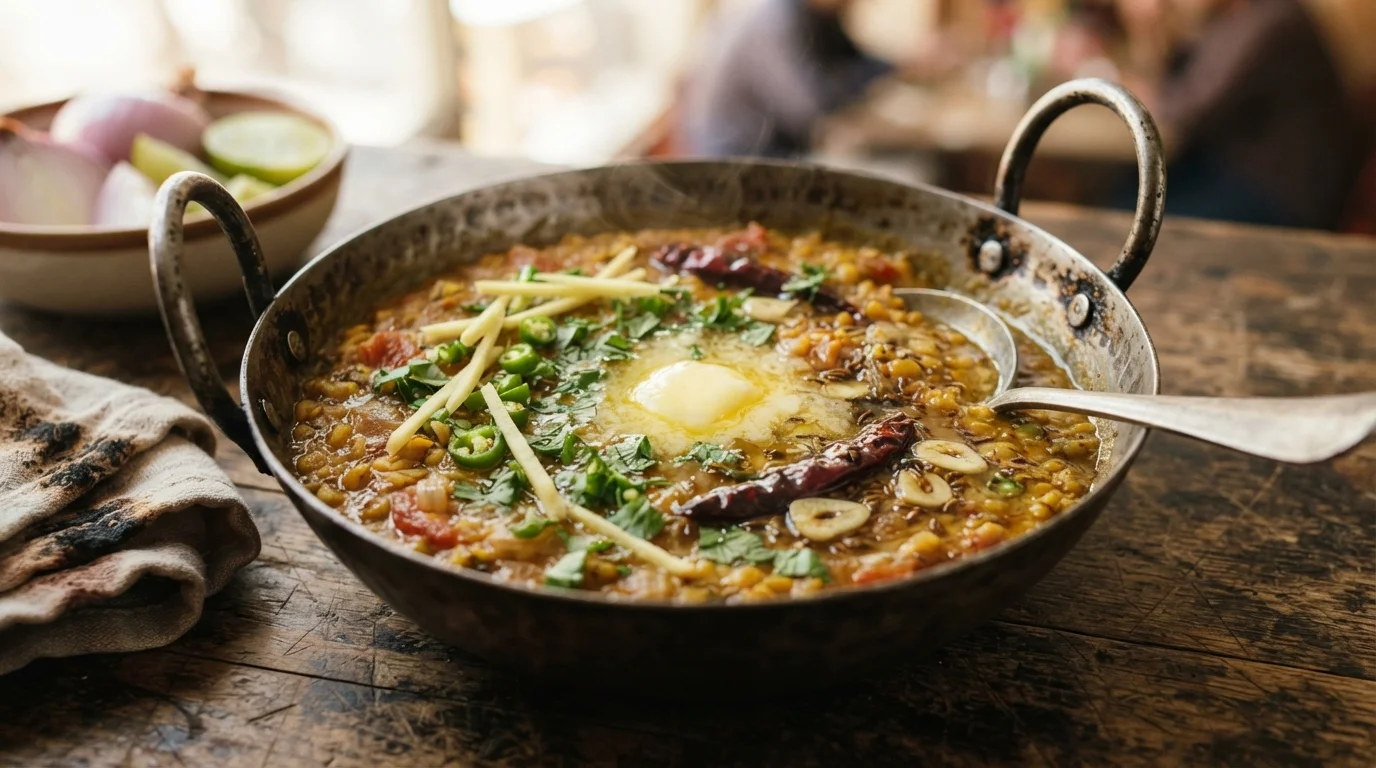
Daal mash is made from black gram, also known as mash or urad in South Asian culinary terminology.
The split, skinned form is commonly white or cream in appearance. When cooked properly, mash can produce a rich, creamy texture.
Daal mash is often associated with:
- Thick daal preparations
- Tarka with garlic or whole spices
- Roti
- Naan
- Rice
- Heavier everyday meals
Its texture makes it noticeably different from the lighter consistency that many people associate with simple moong daal.
Mash can also appear in combinations with other pulses.
Daal mash vs moong
Although both can produce soft daal, they are different pulses.
Mash: black gram, generally richer and creamier when cooked.
Moong: mung bean, generally milder and available in whole, split, and skinned forms.
Pakistan’s official food-price system separately lists mash pulse, while PARC identifies black gram or mash bean as one of the country’s major pulse crops.
4. Daal Chana
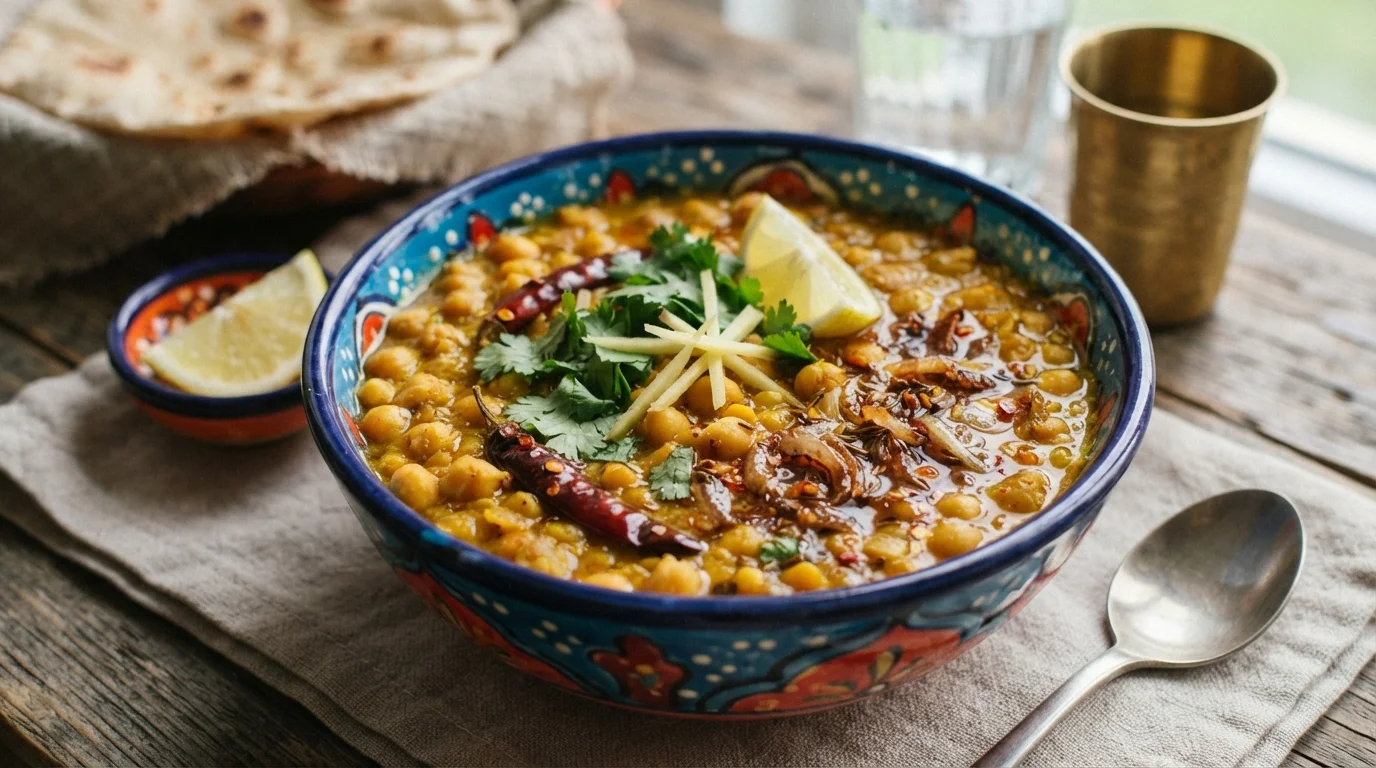
Daal chana, also called chana daal or chanay ki daal, is made from split chickpeas.
It has a yellow appearance and usually retains more texture than very soft-cooked masoor or moong. The flavour is more pronounced and slightly nutty, making it suitable for substantial everyday dishes.
Daal chana can be cooked with:
- Onion
- Tomato
- Garlic
- Ginger
- Green chilli
- Turmeric
- Cumin
- Red chilli
- Coriander
- Whole spices
It can also be combined with vegetables such as lauki in some home-style preparations.
Daal chana in Pakistani meals
Chana daal can be served with:
- Roti
- Chapati
- Rice
- Naan
- Pickles
- Salad
It is also used in some regional preparations and can be cooked with meat for a different type of dish.
Chickpea is a major pulse crop in Pakistan according to the Pakistan Agricultural Research Council, and gram pulse is separately monitored in official food-price statistics.
5. Mixed Daal
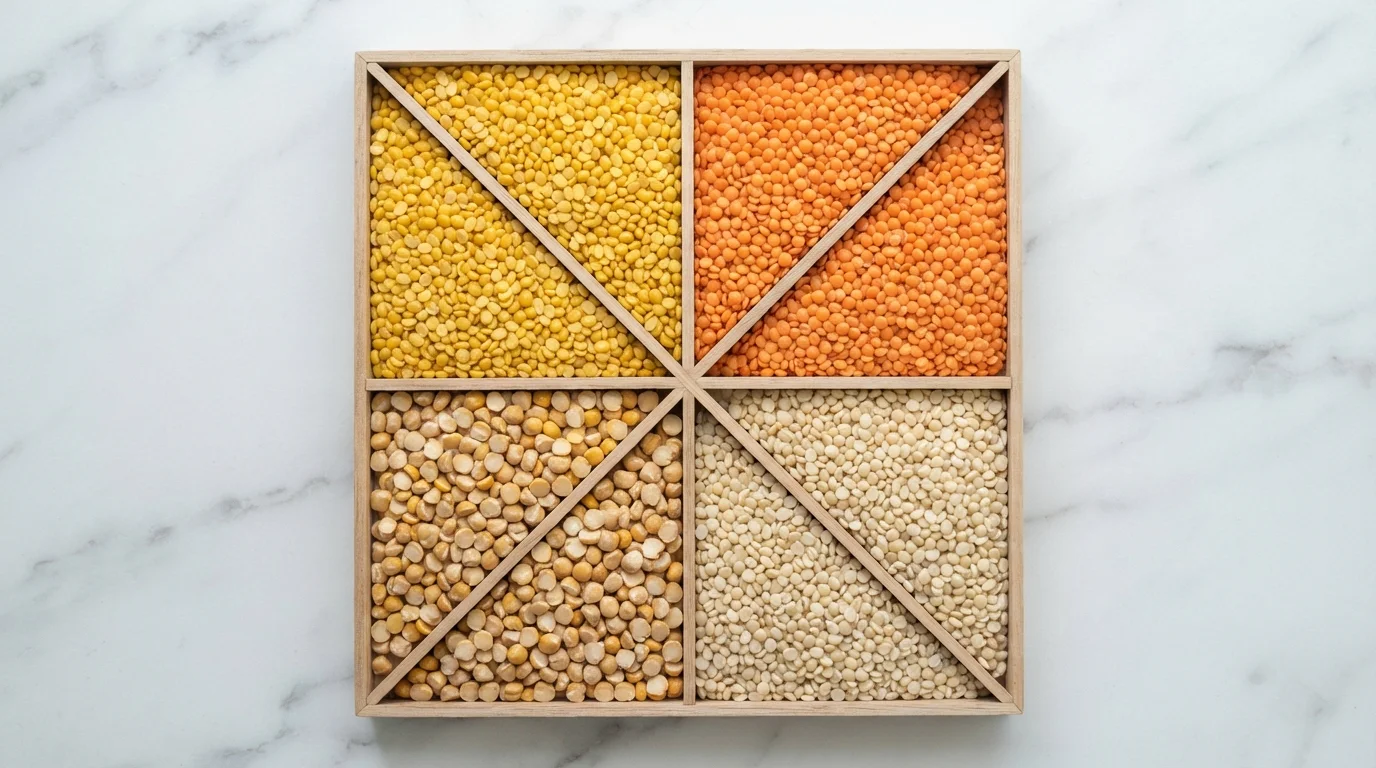
Mixed daal is not one particular pulse. It is a combination of two or more varieties.
The exact mixture can differ between households. A cook might combine:
- Masoor
- Moong
- Mash
- Chana daal
- Other pulses
The purpose of mixing is often to create a different balance of flavour, texture and cooking characteristics.
For example, a mixture containing masoor and moong can cook into a relatively soft daal, while adding chana or mash can change the body and texture of the finished dish.
There is no single standard recipe for mixed daal. That is part of its appeal: the combination can be adjusted according to what is available in the pantry and the type of meal being prepared.
6. Chilka Moong Daal
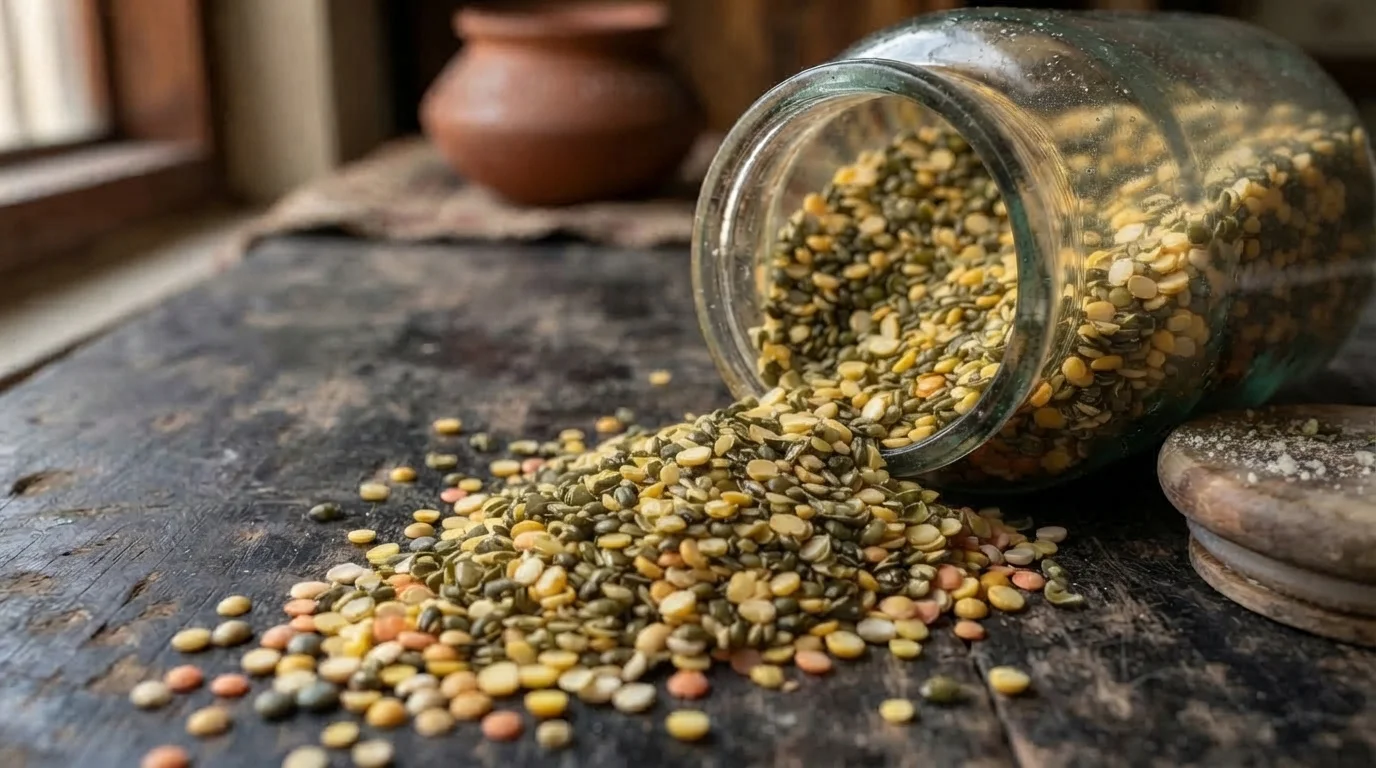
Chilka moong is split mung bean with the outer green skin retained.
Compared with yellow moong, it has a more noticeable green appearance and a different texture after cooking.
It can be used in:
- Everyday daal
- Mixed daal
- Rice dishes
- Hearty home-style meals
The term “chilka” is useful when shopping because it distinguishes this form from skinned yellow moong.
Pakistan’s National Book Foundation culinary material also distinguishes whole mung, split mung with skin, and skinned mung among pulse categories.
7. Whole Moong
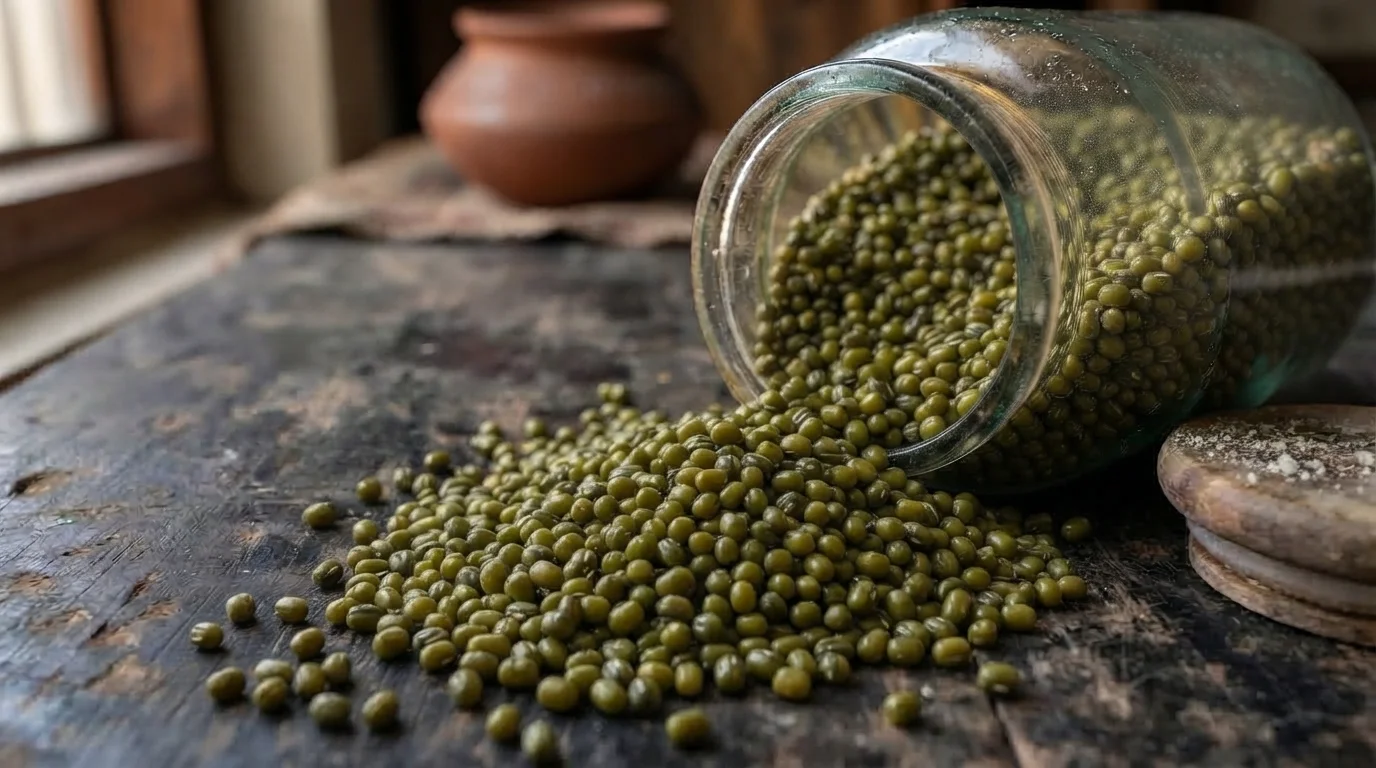
Whole moong is the complete mung bean, usually recognizable by its green outer skin.
It is different from yellow split moong because the bean has not been split and skinned.
Whole moong can be used in:
- Curries
- Mixed pulse dishes
- Sprouted preparations
- Regional recipes
- Rice and grain combinations
It generally takes longer to cook than split, skinned moong, so the preparation method needs to account for the difference.
8. Whole Masoor
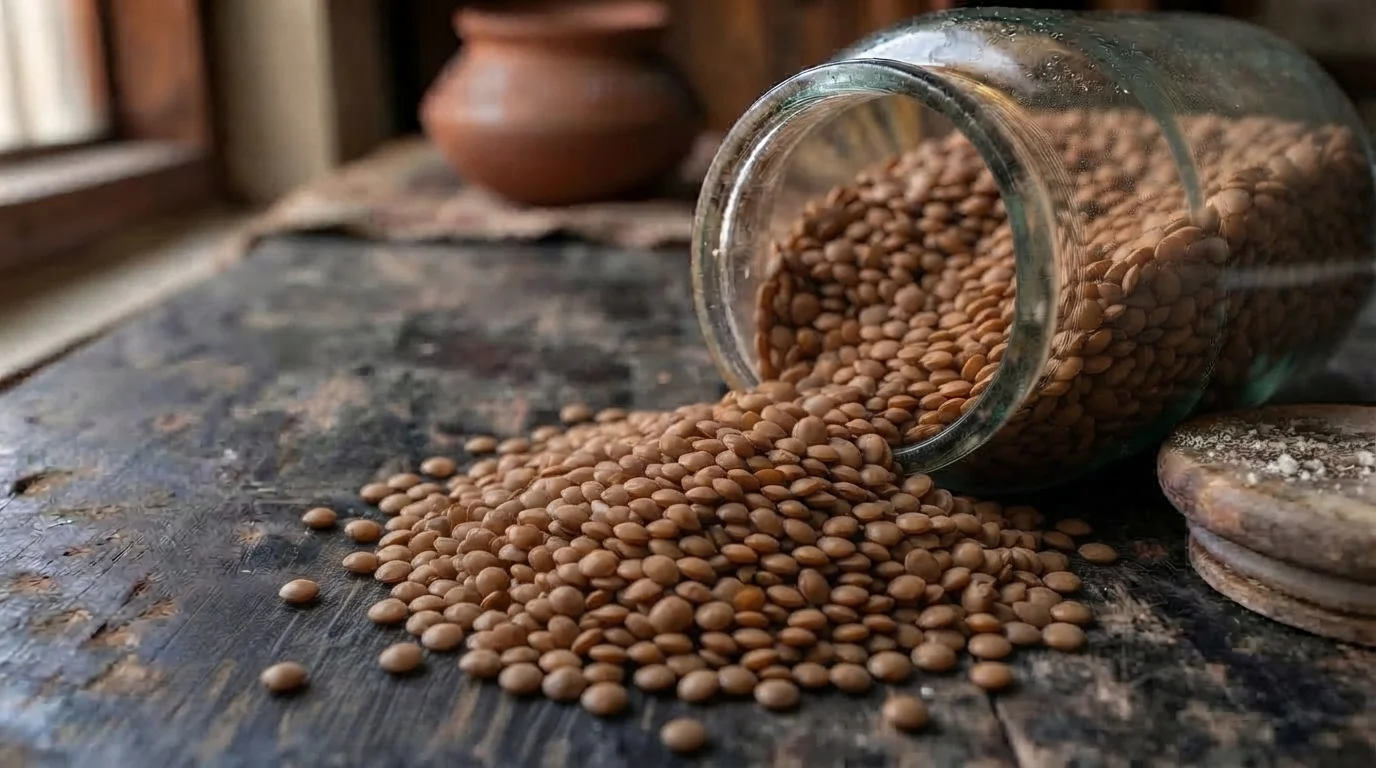
Whole masoor retains its outer skin and has a darker brown or blackish appearance compared with the familiar red split masoor.
It produces a different texture and flavour from red split masoor and can be used when a more substantial pulse dish is wanted.
This is another example of why “masoor” does not always mean the same product on a grocery shelf. The form of the pulse matters.
Daal Chawal: A Classic Pakistani Combination
When people say daal chawal, they are describing a meal combination rather than one particular type of daal.
The basic idea is simple:
Daal + chawal = daal chawal
The daal can be prepared from different pulses, depending on the household and recipe.
For example, daal chawal may be made with:
- Masoor daal
- Moong daal
- Chana daal
- Mash daal
- Mixed daal
The rice can also vary, from everyday rice to basmati or another variety used by the household.
What makes daal chawal practical is its flexibility. A simple daal can be paired with rice and accompanied by achar, salad, raita, or another side according to preference.
Which Daal Is Best for Everyday Cooking?
There is no single “best” daal for every Pakistani household.
The choice depends on what you want from the meal.
| Daal | General character | Common use |
|---|---|---|
| Masoor | Soft, familiar, relatively quick-cooking | Everyday daal, daal chawal |
| Moong | Mild and soft | Light everyday daal, mixed daal |
| Mash | Creamy and substantial | Richer daal, roti or rice |
| Chana | Hearty and textured | Daal, rice, roti, vegetable combinations |
| Chilka Moong | More textured than skinned moong | Everyday and mixed daal |
| Whole Moong | Whole-bean texture | Curries and pulse dishes |
| Whole Masoor | Earthier, firmer texture | Hearty pulse dishes |
| Mixed Daal | Depends on the combination | Everyday mixed daal |
This is a cooking comparison rather than a ranking. Different families have different preferences.
Which Daal Is Commonly Used With Rice?
Almost any suitable cooked daal can be served with rice.
Masoor, moong, chana, and mixed daal are all practical choices for daal chawal. The final result depends on the cooking method, consistency, and seasoning.
A thinner daal can work well when mixed with rice, while a thicker preparation can be served alongside rice as part of a larger meal.
The important distinction is that daal chawal is a meal pairing, not the name of a specific pulse.
How Daal Changes During Cooking
Different pulses behave differently in the pot.
Split and skinned pulses generally soften more quickly than whole pulses because their structure has already been altered through splitting and, in some cases, removal of the outer skin.
This is why yellow split moong and red split masoor can produce a soft consistency relatively quickly, while whole mung or other whole pulses may require more cooking time.
The final texture also depends on:
- Soaking
- Water quantity
- Cooking method
- Cooking time
- Whether the pulse is split or whole
- Whether the skin is present
- How much the cooked daal is stirred or mashed
There is therefore no single cooking time that applies to every type of daal.
How to Choose Daal at the Grocery Store
When buying daal, look beyond the name on the front of the package.
Check the type
Make sure you are buying the form you actually want:
- Whole
- Split
- Skinned
- With skin
- Fine or standard grade where applicable
Look at the condition
For packaged or loose pulses, check that the product appears clean and dry and does not show obvious signs of moisture, insects,s or contamination.
Consider pack size
If a particular daal is used frequently, a larger pack may be practical. If it is only cooked occasionally, a smaller pack can make stock rotation easier.
Compare prices by weight.
A 500g packet and a 1kg packet should not be compared only by their total price. Compare the price per kilogram or another consistent unit.
Check the packaging
For packaged products, review the label, net weight, date information, and other details before purchasing.
How to Store Daal at Home
Dried pulses are pantry products, but they still need suitable storage.
Keep them:
- In a clean, dry place
- Away from moisture
- Protected from insects
- In sealed containers after opening where appropriate
- Away from excessive heat
- Clearly identified if several varieties are stored together
If you transfer daal from its original packaging into containers, labelling different varieties can be useful. Masoor, moong and mash can look quite different, but several pulse varieties can become confusing when stored together.
Using older stock before newly purchased stock is also a simple way to improve pantry rotation.
Daal and Pakistani Grocery Shopping
Daal is a core grocery category rather than a single product. A typical grocery shop may therefore carry several varieties, pack sizes, and brands.
In Pakistan, official price monitoring separately tracks categories such as masoor, moong, mash and gram pulses. Lahore’s current notified commodity rates also list these pulses separately, showing that shoppers encounter them as distinct market categories.
For shoppers, this means that “daal” on a grocery list may not be specific enough. Writing masoor, moong, mash, or chana makes the shopping requirement clearer.
Grocer.pk can also be used to browse grocery stores, Kiryana Stores,s and supermarkets in different Pakistani cities.
Daal for a Pakistani Pantry
If you want a practical selection at home, you do not need to purchase every pulse available in the market.
A useful starting group could be:
- Masoor daal
- Moong daal
- Chana daal
- Mash daal
Then add chilka moong, whole moong, whole masoor, or other varieties according to the meals your family actually prepares.
This approach keeps the pantry useful without turning it into a collection of ingredients that rarely get used.
Common Daal Questions
What are the main types of daal in Pakistan?
Common types include masoor daal, moong daal, mash daal,l and chana daal. Other forms include chilka moong, whole moong, whole masoor, and mixed daal.
What is daal chawal?
Daal chawal is a meal made by serving cooked daal with rice. The daal can be masoor, moong, chana, mash, or a mixture of pulses.
What is daal mash?
Daal mash is prepared from black gram, also known as mash or urad. It is commonly used to make a thicker, creamy daal.
What is masoor ki daal?
Masoor ki daal is a lentil dish prepared from masoor, commonly using red split lentils. It is widely used for everyday cooking and can be served with rice or roti.
What is moong ki daal?
Moong ki daal is made from mung beans. Yellow split moong is commonly used for a soft, mild daal, while chilka and whole moong are different forms of the same pulse.
What is daal chana?
Daal chana, or chana daal, is made from split chickpeas. It has a yellow colour and generally gives the cooked dish a hearty texture.
Which daal is used for daal chawal?
There is no single required daal for daal chawal. Masoor, moong, chana, mash, and mixed daal can all be served with rice.
Are moong, masoor, mash, and chana the same?
No. They are different pulses. Moong is mung bean, masoor is lentil, mash is black gram, and chana daal is split chickpea.
Final Takeaway
Daal is a broad part of Pakistani cooking, not a single ingredient. Masoor ki daal, moong ki daal, daal mash, and daal chana each bring a different texture and flavour to the table, while chilka and whole varieties offer additional choices.
For everyday cooking, the easiest way to choose is to think about the meal you want to make. Masoor can suit a quick everyday daal, moong gives a milder option, mash creates a richer texture, and chana provides a heartier pulse. Any of them can become part of a satisfying daal chawal meal.
Keeping a few varieties in the pantry also makes meal planning easier. Instead of treating “daal” as one grocery item, identify the particular type your household actually cooks and buy accordingly.