Complete Grocery Items List in Pakistan: A Practical Checklist
A well-organized grocery items list can make shopping easier, reduce forgotten items, and help households keep track of everyday essentials. However, grocery requirements are different for every family. Some households buy certain items every week, while others purchase pantry staples in larger quantities and fresh food more frequently.
This complete grocery items list in Pakistan is designed as a practical reference for common household shopping. It covers pantry staples, flour and grains, pulses, cooking ingredients, spices, dairy, fresh produce, meat, frozen foods, snacks, beverages, cleaning supplies, and personal-care essentials.
You can use the list as a general store items list for Pakistan and remove items that your household does not normally use.
Complete Grocery Items List in Pakistan at a Glance
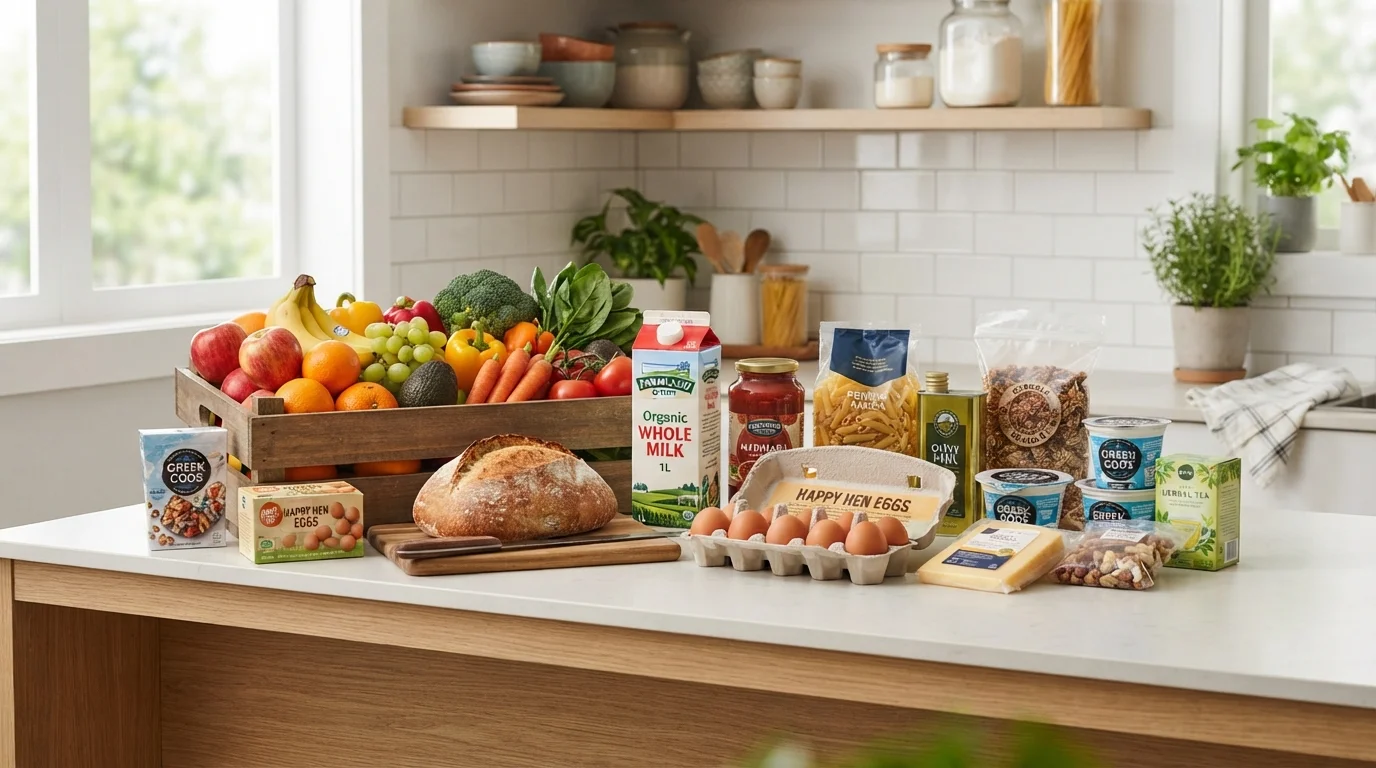
The following categories cover many of the grocery and household items commonly considered when planning a shopping trip in Pakistan.
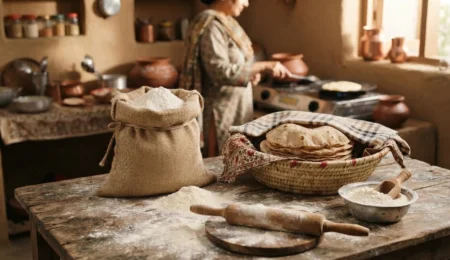
1. Atta, Flour and Grains
- Wheat flour (atta)
- Fine flour (maida)
- Semolina (sooji)
- Gram flour (besan)
- Corn flour
- Rice flour
- Multigrain flour
- Oats
- Barley
- Daliya
- Other grains used by your household
The exact type of flour you need depends on the meals your household prepares. Wheat flour is a common staple, while maida, besan, and sooji are generally purchased according to cooking and baking requirements.
2. Rice
- Basmati rice
- Super Basmati rice
- Sella rice
- Parboiled rice
- Brown rice
- Broken rice
- Other preferred rice varieties
When buying rice, consider the type, grain quality, pack size, and intended use. Different varieties can be used for pulao, biryani, everyday meals, and other dishes.
3. Daal and Pulses
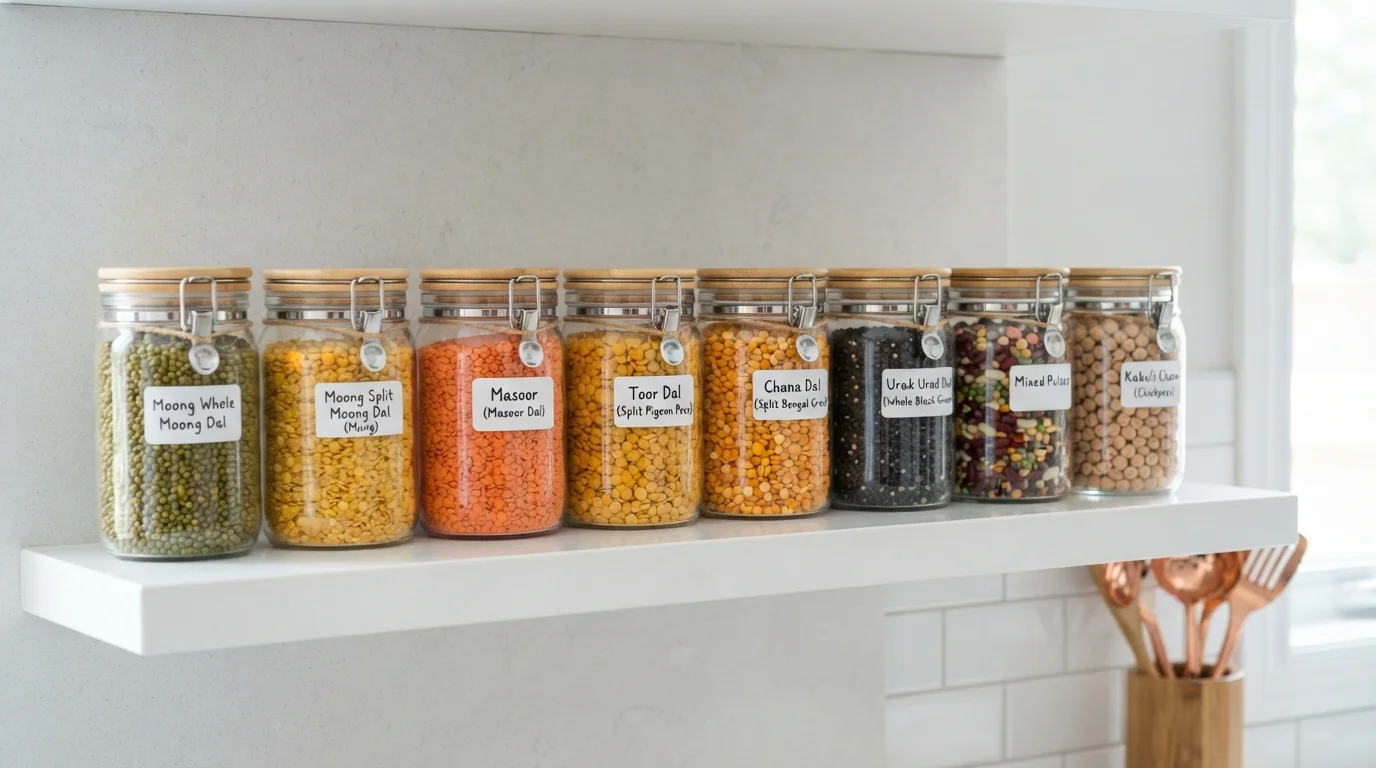
- Masoor daal
- Moong daal
- Mash daal
- Chana daal
- Whole chickpeas
- White chickpeas
- Black chickpeas
- Kidney beans
- White beans
- Black-eyed peas
- Other pulses and legumes
Pulses are an important part of many Pakistani households’ everyday cooking. The quantities you need will depend on family size and how frequently daal and other pulse-based dishes are prepared.
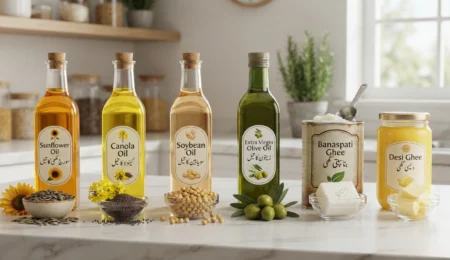
4. Cooking Oil, Ghee and Fats
- Cooking oil
- Vegetable ghee
- Desi ghee
- Olive oil
- Butter
- Other cooking fats
Check the product label, quantity, and current price when comparing different cooking oils and fats. If you have a dietary requirement, select products according to your household’s needs.
5. Salt, Sugar and Spices
Basic Ingredients
- Salt
- Sugar
- Black salt
- Brown sugar
- Jaggery (gur)
Whole Spices
- Cumin seeds
- Coriander seeds
- Black pepper
- Cloves
- Green cardamom
- Black cardamom
- Cinnamon
- Bay leaves
- Fennel seeds
- Fenugreek seeds
- Mustard seeds
- Nigella seeds (kalonji)
Ground Spices
- Red chilli powder
- Turmeric powder
- Coriander powder
- Cumin powder
- Black pepper powder
- Garam masala
- Chaat masala
- Other spice blends
Spice requirements can vary significantly between households. A family that cooks from scratch regularly may need a wider range of whole and ground spices than a household that uses ready-made mixes.
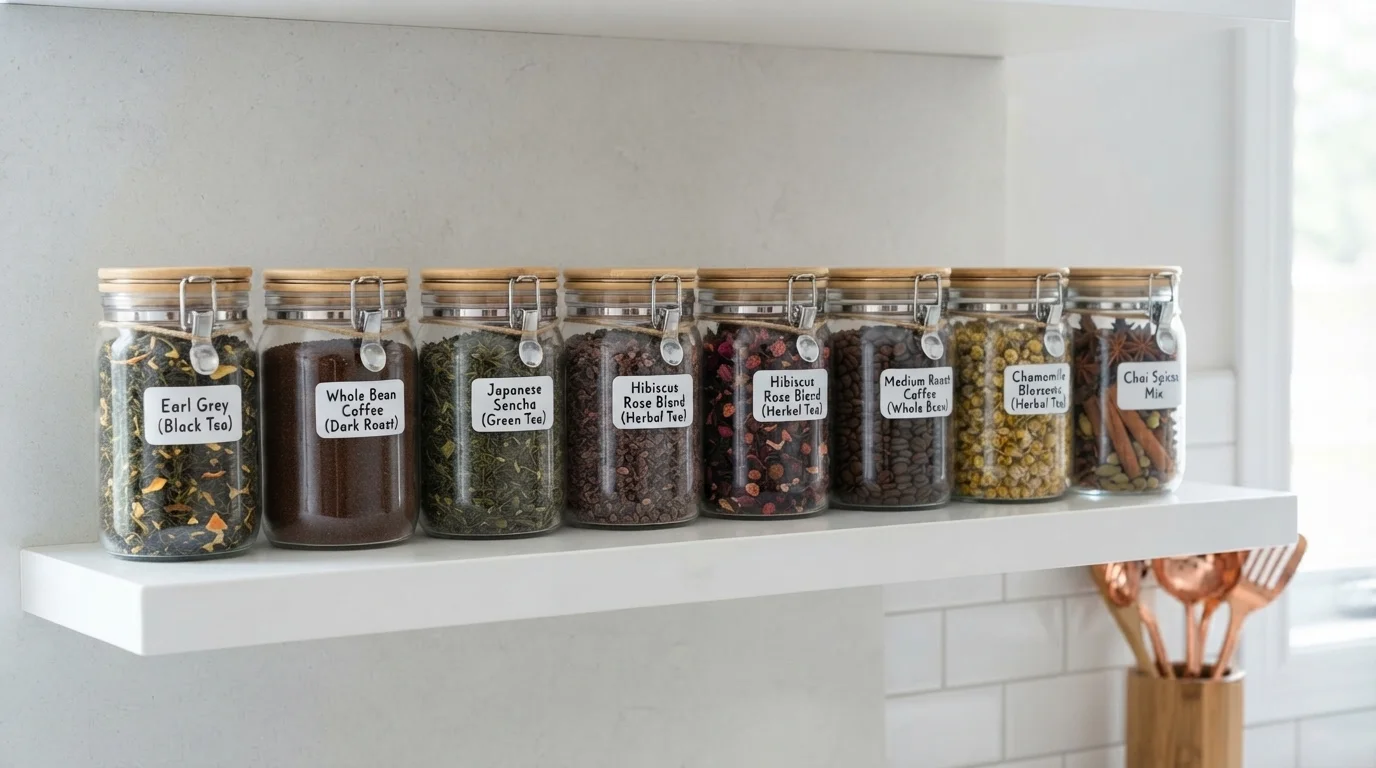
6. Tea, Coffee and Other Beverages
- Tea
- Green tea
- Instant coffee
- Coffee creamer
- Milk powder
- Tea whitener
- Drinking chocolate
- Cocoa powder
- Bottled water
- Juice
- Squasmh
- Syrups
- Other household beverages
For packaged drinks, check the pack size, ingredients, and expiry information before purchasing.
7. Breakfast and Everyday Foods
Fresh products such as bread and dairy may be better purchased according to actual household consumption rather than stocked in large quantities.
8. Sauces, Pickles and Condiments
- Tomato ketchup
- Chilli sauce
- Soy sauce
- Mayonnaise
- Mustard
- Vinegar
- Pickles
- Chutneys
- Pasta sauce
- Cooking sauces
- Worcestershire-style sauces
- Other condiments
Choose products based on how frequently your household uses them. Once opened, follow the storage instructions on the packaging.
9. Baking and Dessert Ingredients
- Baking powder
- Baking soda
- Vanilla essence
- Cocoa powder
- Custard powder
- Corn flour
- Cornflakes
- Cake mixes
- Yeast
- Icing sugar
- Food colouring
- Chocolate chips
- Desiccated coconut
- Nuts
- Raisins
- Other baking ingredients
Not every household needs baking ingredients regularly, so these can be treated as optional grocery items.
10. Canned and Packaged Foods
- Canned beans
- Canned chickpeas
- Canned corn
- Canned tuna
- Tomato paste
- Canned tomatoes
- Ready-to-cook products
- Packaged soups
- Instant noodles
- Pasta
- Vermicelli
- Other packaged foods
Check the expiry or best-before date and package condition before buying canned or packaged foods.
11. Snacks
- Biscuits
- Cookies
- Nimco
- Chips
- Popcorn
- Crackers
- Nuts
- Almonds
- Cashews
- Peanuts
- Raisins
- Dates
- Chocolate
- Candy
- Other snacks
Snack requirements depend heavily on household preferences. Buying only the quantities your family is likely to consume can help reduce unnecessary food waste.
12. Dairy and Refrigerated Items
- Fresh milk
- UHT milk
- Yogurt
- Cheese
- Butter
- Cream
- Cottage cheese
- Flavoured yogurt
- Other refrigerated dairy products
Check refrigeration requirements and expiry information before purchasing dairy products. Keep refrigerated products at the appropriate temperature after bringing them home.
13. Fresh Fruits
Common fruits purchased by households may include:
- Apples
- Bananas
- Oranges
- Kinnow
- Mangoes
- Guavas
- Grapes
- Pomegranates
- Pears
- Watermelon
- Melons
- Papaya
- Peaches
- Plums
- Seasonal fruits
Fruit availability changes with season and location, so a practical grocery items list should remain flexible.
14. Fresh Vegetables
Common vegetables and cooking ingredients include:
- Potatoes
- Onions
- Tomatoes
- Garlic
- Ginger
- Green chillies
- Coriander
- Mint
- Carrots
- Cucumber
- Cauliflower
- Cabbage
- Spinach
- Peas
- Okra
- Brinjal
- Turnip
- Radish
- Bell peppers
- Lemon
- Seasonal vegetables
Fresh produce is generally best planned according to your household’s meal schedule and storage capacity.
15. Meat, Chicken, Fish and Other Proteins
Depending on your household’s preferences:
- Chicken
- Beef
- Mutton
- Fish
- Minced meat
- Eggs
- Other preferred protein foods
When buying fresh meat or fish, consider the quantity you can safely store and consume. Frozen storage may require additional planning.
16. Frozen Foods
- Frozen vegetables
- Frozen peas
- Frozen fries
- Frozen parathas
- Frozen samosas
- Frozen spring rolls
- Frozen nuggets
- Frozen chicken products
- Frozen fish
- Other frozen foods
Always check freezer requirements, package condition, and expiry or best-before information.
17. Pasta, Noodles and Other Quick Meals
- Pasta
- Spaghetti
- Macaroni
- Instant noodles
- Vermicelli
- Lasagne sheets
- Pasta sauces
- Instant soup
- Other quick-cooking foods
These products can be useful for quick meals, but the quantity you need depends on how frequently your household prepares them.
18. Household Cleaning Supplies
Grocery shopping often includes household products in addition to food.
- Laundry detergent
- Dishwashing liquid
- Dishwashing bar
- Floor cleaner
- Toilet cleaner
- Bathroom cleaner
- Glass cleaner
- Bleach
- Disinfectant
- Sponges
- Scrubbers
- Cleaning cloths
- Garbage bags
- Tissue paper
- Paper towels
- Aluminium foil
- Cling film
- Food storage bags
Keep cleaning chemicals separate from food products during storage and follow the product label for safe use.
19. Personal-Care Essentials
- Toothpaste
- Toothbrushes
- Bath soap
- Hand wash
- Shampoo
- Conditioner
- Hair oil
- Face wash
- Deodorant
- Shaving products
- Sanitary products
- Cotton products
- Tissues
- Other personal-care essentials
Personal-care requirements differ between households, so use this section as a reminder rather than a fixed shopping grocery items list.
20. Baby and Family Essentials
Households with babies or young children may also need:
- Baby food
- Baby cereal
- Diapers
- Baby wipes
- Baby soap
- Baby shampoo
- Baby lotion
- Feeding accessories
- Other age-appropriate baby essentials
The products needed depend on the child’s age and individual requirements. Follow product labels and professional guidance where applicable.
Printable Grocery Items List Checklist
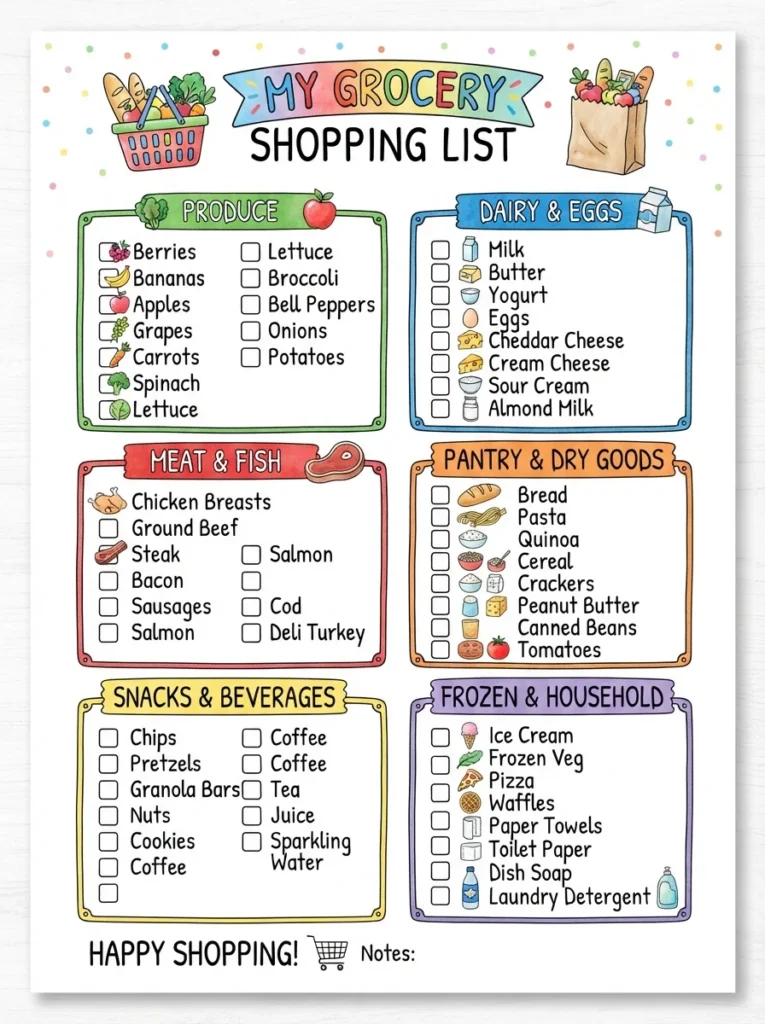
Use this shorter version when you are actually going shopping.
Pantry
- Atta
- Maida
- Sooji
- Besan
- Rice
- Daal
- Chickpeas
- Beans
- Cooking oil
- Ghee
- Salt
- Sugar
- Spices
- Tea
- Coffee
Breakfast and Dairy
- Milk
- Yogurt
- Eggs
- Bread
- Butter
- Cheese
- Jam
- Honey
- Cereals
- Oats
Fresh Food
- Potatoes
- Onions
- Tomatoes
- Garlic
- Ginger
- Green chillies
- Seasonal vegetables
- Seasonal fruits
- Chicken
- Meat
- Fish
Packaged Food
- Biscuits
- Snacks
- Pasta
- Noodles
- Sauces
- Pickles
- Frozen foods
- Baking ingredients
Household
- Laundry detergent
- Dishwashing product
- Floor cleaner
- Bathroom cleaner
- Tissue
- Garbage bags
- Sponges
- Foil or food storage products
Personal Care
- Toothpaste
- Toothbrush
- Soap
- Shampoo
- Conditioner
- Hand wash
- Personal-care essentials
Monthly Grocery List vs Complete Grocery Items List
A complete grocery items list and a monthly grocery items list serve different purposes.
A complete grocery items list is a reference containing a broad range of grocery and household items. You can use it to remember categories and decide what your household actually needs.
A monthly Pakistani grocery list is more specific. It helps you plan the items you expect to purchase for a particular month and can include quantities, budget, and shopping frequency.
For a detailed monthly grocery items planning list, see our Monthly Grocery List for Pakistani Families guide.
This approach prevents you from buying every item on a master list every month. Instead, use the complete list as a reference and create a smaller shopping list based on your household’s actual consumption.
What Should You Buy Grocery Items List and What Should You Buy Weekly?
Not every grocery item needs to be purchased on the same schedule.
Items Often Suitable for Larger or Less-Frequent Purchases
Depending on household consumption and storage:
- Rice
- Daal
- Flour
- Sugar
- Salt
- Spices
- Cooking oil
- Ghee
- Tea
- Coffee
- Cleaning supplies
- Laundry products
- Tissues
Items Often Bought More Frequently
Depending on household needs:
- Milk
- Bread
- Eggs
- Yogurt
- Fruits
- Vegetables
- Fresh herbs
- Chicken
- Meat
- Fish
Your shopping schedule should depend on storage space, household size, consumption, and product shelf life rather than following one fixed rule.
How to Organize Your Grocery Shopping
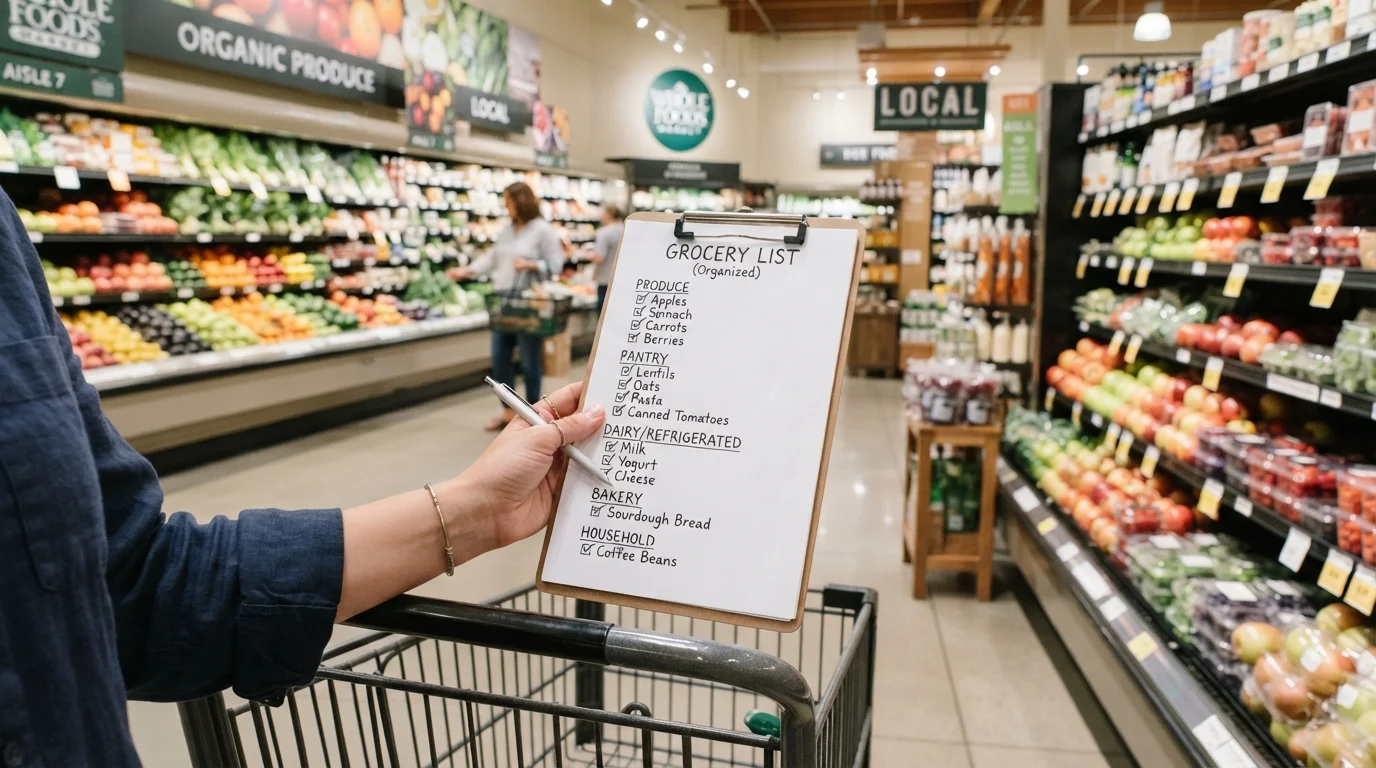
A simple category-based system can make grocery shopping easier.
1. Check What You Already Have
Before leaving home, check your kitchen cabinets, refrigerator, and freezer. This helps prevent buying duplicate items.
2. Separate Pantry and Fresh Food
Pantry products such as rice, flour, and pulses can be checked separately from fresh food such as vegetables, fruits, and dairy.
3. Check Expiry Dates
Rotate older products before opening newly purchased ones. Pay particular attention to refrigerated and short-shelf-life foods.
4. Make a Budget
Set a practical budget before shopping and prioritize essential items first.
5. Compare Pack Sizes
A larger package is not automatically better value. Compare the quantity and price before choosing between different pack sizes.
Where to Buy Grocery Items in Pakistan
Grocery items can be purchased from different types of stores, including supermarkets, local grocery stores, Kiryana shops, and online grocery businesses.
Grocer.pk allows shoppers to explore grocery businesses by city, area, and category. The directory currently includes categories for Grocery Stores, Supermarkets, Kiryana Stores, and Online Grocery Stores.
You can use the Grocer.pk directory to find grocery businesses in your area and then check individual listings for available business information.
If you are shopping in Lahore, you can also browse the Lahore grocery stores directory to explore supermarkets, grocery stores, and Kiryana businesses across different areas.
How to Avoid Forgetting Grocery Items
A category-based grocery items list is easier to use than a random grocery items list.
Before shopping, quickly review:
- Pantry staples
- Rice and pulses
- Cooking ingredients
- Spices
- Dairy and breakfast
- Fruits and vegetables
- Meat and protein
- Snacks and packaged foods
- Household cleaning products
- Personal-care products
You can then remove anything your household does not use and add specific products that are important to your family’s routine.
Frequently Asked Questions
What are the most common grocery items in Pakistan?
Common grocery items include atta, rice, pulses, cooking oil, ghee, sugar, salt, spices, tea, milk, eggs, bread, vegetables, fruits, meat, and household cleaning products. Requirements vary by household.
What should be included in a grocery list?
A practical grocery list in Pakistan can include pantry staples, fresh food, dairy, meat, beverages, snacks, cleaning products, and personal-care essentials. The final list should be based on what your household actually uses.
What groceries should I buy every month?
Items such as rice, flour, pulses, cooking oil, sugar, tea, spices, and cleaning supplies may be suitable for larger or less-frequent purchases, depending on consumption and storage. Fresh food often needs more frequent shopping.
What groceries should I buy every week?
Milk, bread, fruits, vegetables, yogurt, eggs,s and other fresh foods may need more frequent purchasing, depending on household consumption and shelf life.
How can I make a grocery list for my family?
Start with a master grocery items list, remove items your family does not use, check what is already available at home, and then create a shopping list based on your expected meals and household requirements.
Should I buy groceries monthly or weekly?
There is no single schedule that works for every household. Many families can buy pantry staples less frequently while purchasing fresh food more often. Your shopping frequency should depend on family size, storage space, consumption, and product shelf life.
How can I save money on grocery shopping?
Compare prices for the same product and pack size, plan purchases before shopping, avoid unnecessary duplicate items, and review your existing pantry before buying more.
Final Takeaway
A complete grocery items list is most useful when treated as a reference rather than a fixed shopping order. Pakistani households have different food preferences, family sizes, budgets, and shopping routines, so the best checklist is one that can be adjusted to individual needs.
Use this master grocery items list to review the major grocery and household categories, then create a smaller weekly or monthly shopping list based on what your family actually needs.
For monthly planning, explore our Monthly Grocery List for Pakistani Families guide, and use Grocer.pk to discover grocery stores, supermarkets, Kiryana shops, and online grocery businesses in Pakistan.