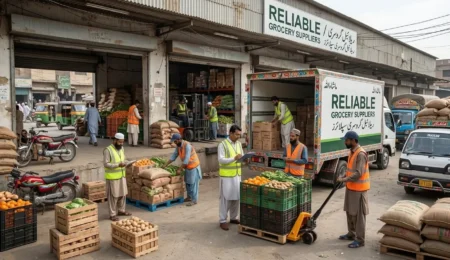
How Small Retailers Can Build an Online Presence in Pakistan
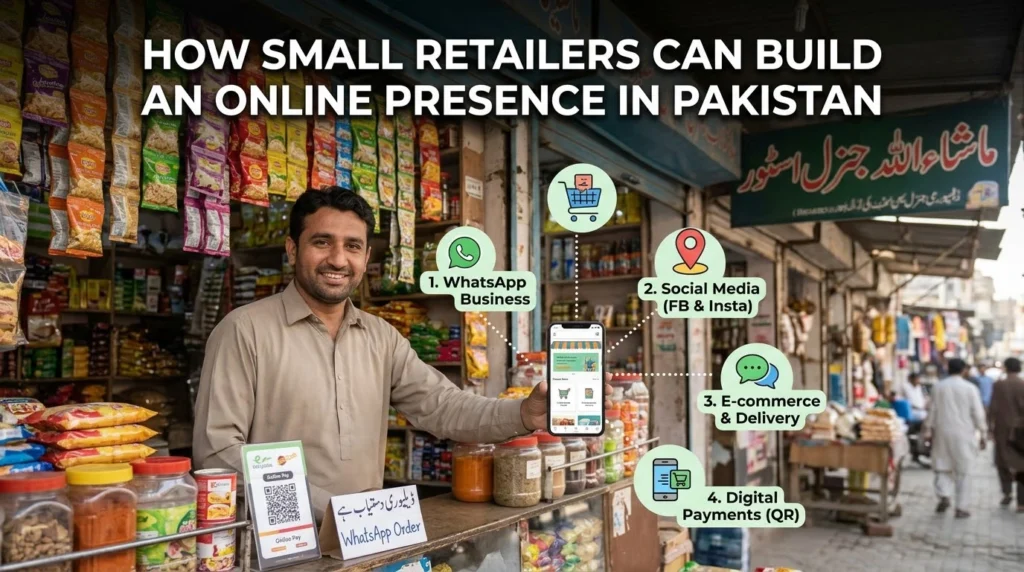
A small grocery shop or neighbourhood retail store does not need a large marketing budget to become easier to find online. Many customers now use Google Search, Google Maps, social media, and messaging apps to look for nearby shops, check business information, and contact retailers before visiting.
For small retailers in Pakistan, this creates an opportunity to reach customers beyond the people who already know their shop. A kiryana store, grocery business, departmental store, or neighbourhood supermarket can start building an online presence with a few practical tools rather than investing immediately in an expensive website or mobile application.
The first step is to make accurate business information available online. Customers should be able to find the store name, location, contact number, opening hours, products, and ordering options without having to search through multiple pages.
This article covers practical ways small retailers can build an online presence, communicate with customers, and gradually develop their digital operations.
Why Online Presence Matters for Small Retailers
A physical shop mainly reaches customers who live, work, or travel near its location. An online presence gives people another way to discover the business, learn about its products, and contact the retailer.
For example, someone moving into a new neighbourhood may search for a grocery store nearby. Another customer may want to check whether a shop sells a particular household product before visiting. If the retailer has no useful online information, potential customers may choose another business that is easier to find.
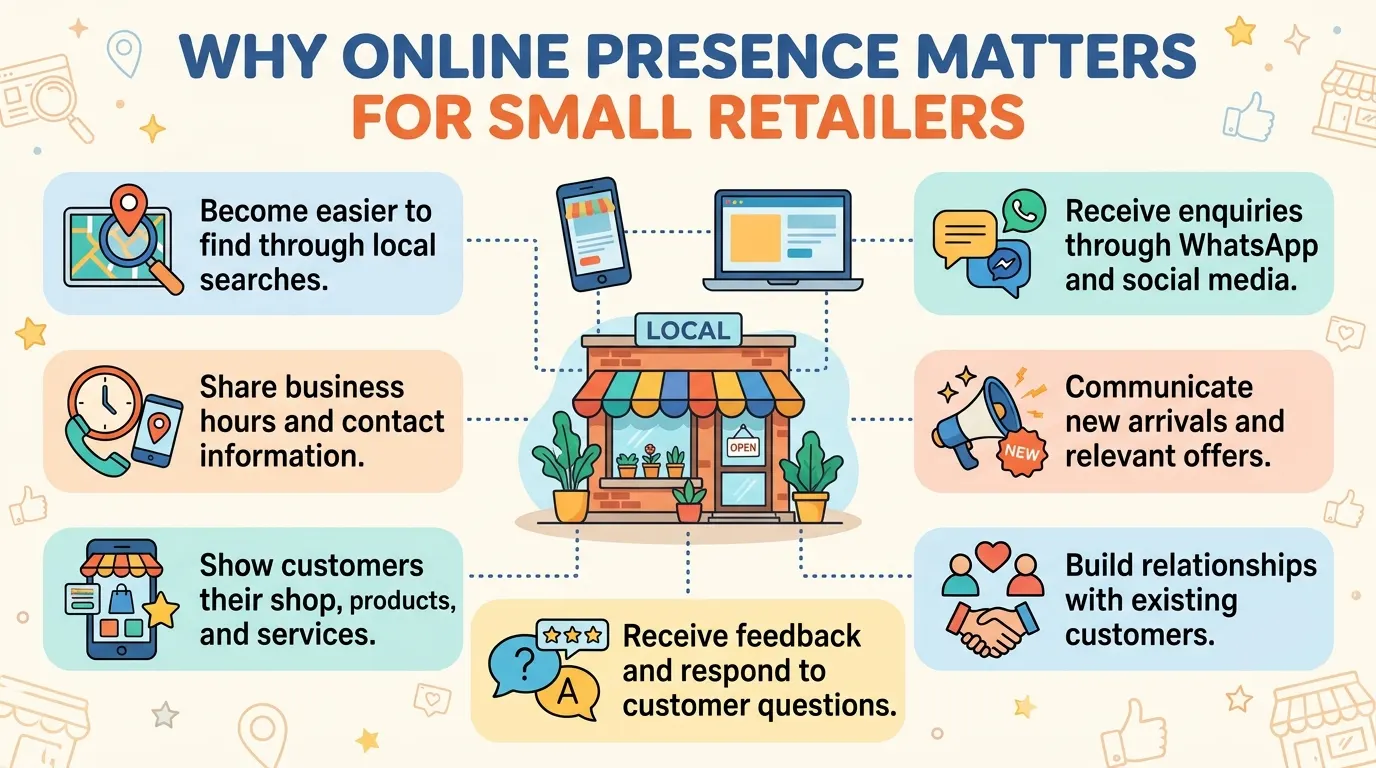
An online presence can help small retailers:
- Become easier to find through local searches.
- Share business hours and contact information.
- Show customers their shop, products, and services.
- Receive enquiries through WhatsApp and social media.
- Communicate new arrivals and relevant offers.
- Build relationships with existing customers.
- Receive feedback and respond to customer questions.
However, having a Facebook page or a Google listing does not automatically increase sales. The information must be accurate, regularly maintained, and useful to customers.
1. Create a Google Business Profile
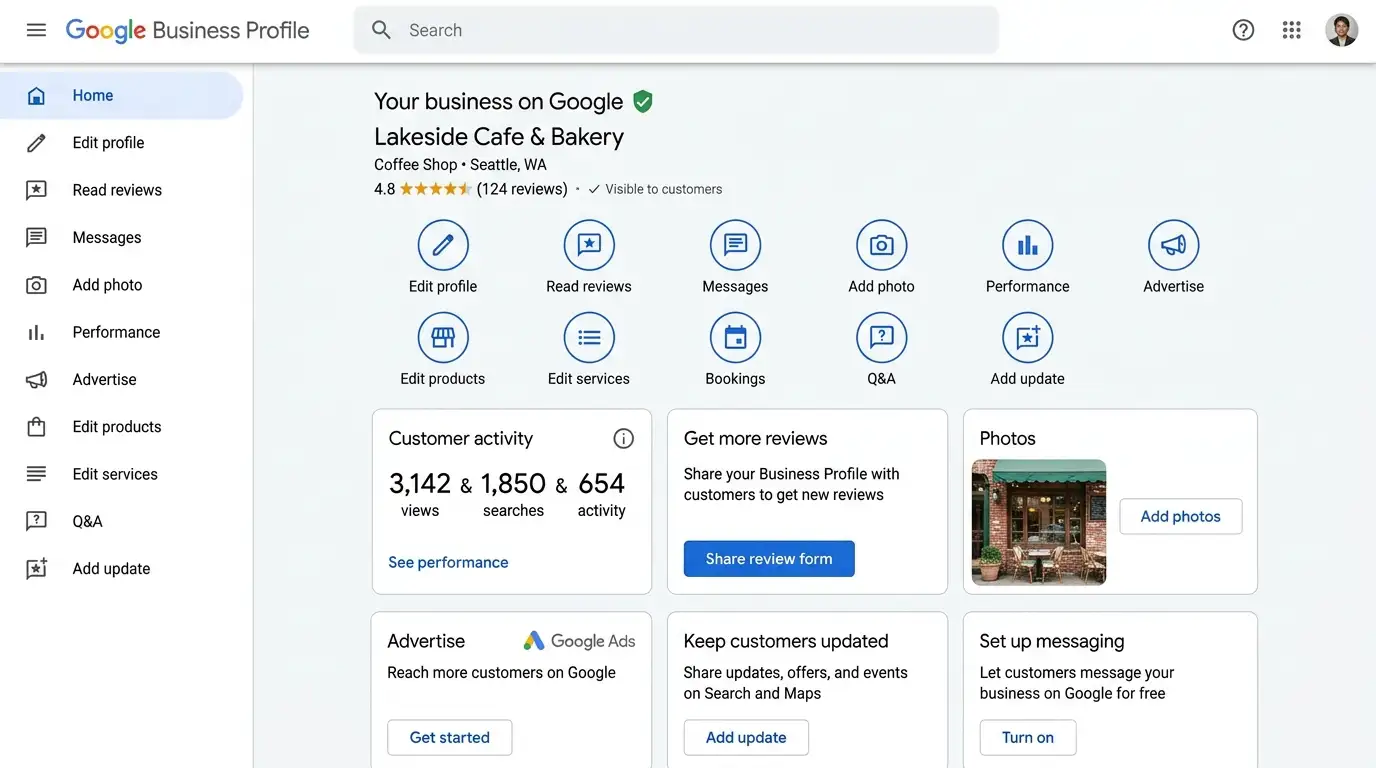
For a retailer with a physical shop that customers can visit, Google Business Profile is one of the most useful starting points.
A Google Business Profile allows eligible businesses to manage how their information appears on Google Search and Google Maps. Retailers can provide their address, phone number, opening hours, business category, website, and other relevant information.
The service is available without a profile management fee, although advertising and other optional services may involve costs.
What should a small retailer add to the profile?
- Actual business name
- Correct shop address
- Appropriate primary business category
- Working phone number
- Accurate opening and closing hours
- Storefront photographs
- Website or relevant contact information
- Additional business details where applicable
For example, a kiryana store in Johar Town, Lahore, should use its actual business name and correct shop location. Adding unnecessary keywords to the business name, such as a list of products or multiple neighbourhood names, is not a good practice.
Google requires businesses to represent themselves accurately, use precise location information, and avoid creating unnecessary duplicate profiles.
Important: A Google Business Profile is intended for eligible businesses that interact with customers in person. An online-only business without a customer-facing location or in-person service is not eligible.
Useful official resources:
2. Set Up WhatsApp Business for Customer Communication
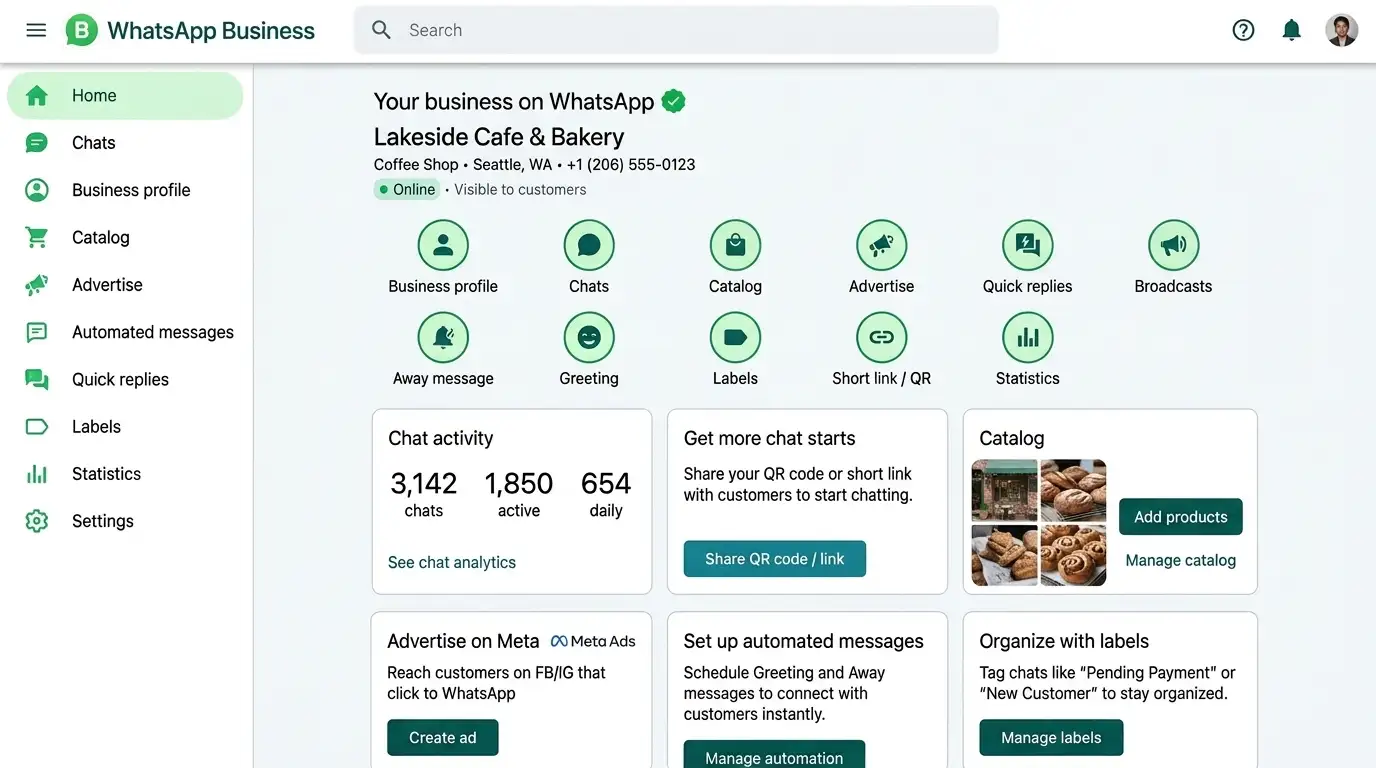
WhatsApp is a practical communication channel for small retailers who already receive customer enquiries through mobile phones.
Instead of managing every business conversation through a personal WhatsApp account, retailers can use WhatsApp Business to create a more organised customer communication process.
The app provides business tools such as a business profile, product catalogue, greeting messages, away messages, quick replies, and labels.
Set up your business profile.
Include:
- Store name
- Business category
- Short business description
- Shop address
- Opening hours
- Contact information
- Website or social media links, where available
Create a product catalogue
A grocery retailer can use the catalogue to display selected products with photographs, descriptions, and prices where appropriate.
For example, a shop may organise products into collections such as:
- Grocery essentials
- Beverages
- Snacks and biscuits
- Cleaning products
- Personal care
- Household items
The catalogue should be maintained. If a product is unavailable or its price changes, update the information rather than leaving customers with outdated details.
Use quick replies
Retailers often receive the same questions repeatedly:
- What time does the shop close?
- Do you have home delivery?
- Is this product available?
- What is the price?
- Can I place an order on WhatsApp?
Quick replies can save time when answering common questions.
Organise customer conversations
WhatsApp Business labels can help retailers separate new enquiries, pending orders, completed orders, and customer follow-ups.
Official resource: WhatsApp Business App Features.
3. Create a Facebook Business Page
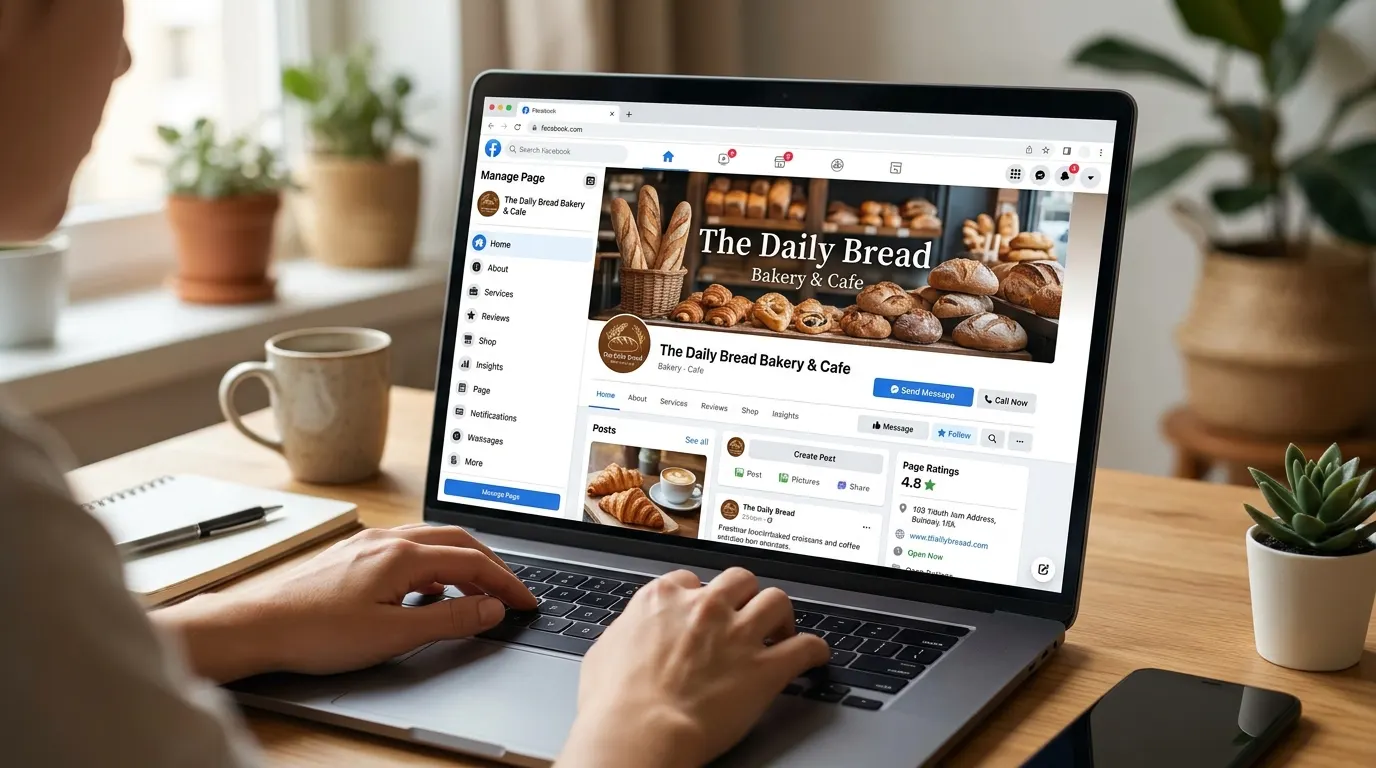
Facebook can help small retailers communicate with customers in their surrounding areas. A business page also gives a retailer a place to share store updates, product photographs, and contact details.
A retailer should create a dedicated business page rather than relying only on a personal Facebook profile.
A useful Facebook page should include:
- Actual business name
- Clear profile picture or logo
- Storefront or cover photograph
- Business category
- Address and contact number
- Opening hours
- Short business description
- WhatsApp or other contact option
What should a grocery retailer post?
A local grocery store does not need to publish complicated marketing campaigns. Useful updates can include:
- New products available in the shop
- Seasonal grocery items
- Updated opening hours
- Store photographs
- Product collections
- Special offers with clear terms
- Delivery information, if offered
- Important customer announcements
For instance, a grocery shop in Model Town can publish a photograph of its actual store and explain its location and business hours. This gives nearby residents more useful information than a generic promotional graphic.
Meta also provides beginner-level learning material for businesses establishing a presence on Facebook and Instagram.
Resource: Meta Blueprint – Stay Connected with Your Customers Online.
4. Use Instagram to Showcase Your Products
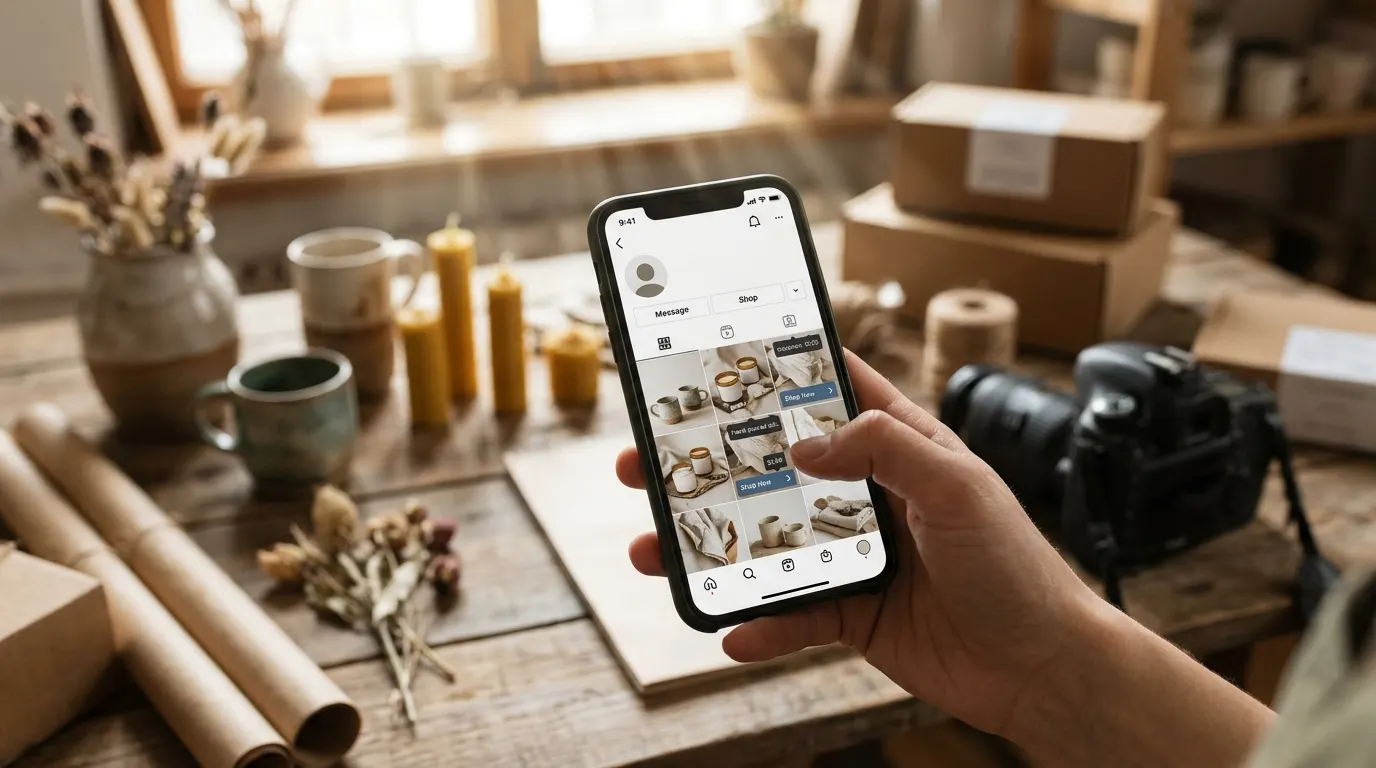
Instagram can be useful for retailers whose products benefit from photographs and short videos.
A supermarket, grocery shop, bakery, or speciality food store can use the platform to show its products, store environment, and seasonal collections.
A small retailer can start with a professional business account and a simple posting routine.
Content ideas for small retailers
| Content type | Example |
|---|---|
| Product photographs | Newly stocked grocery products |
| Short videos | A quick look inside the store |
| Product collections | Snacks, beverages, or household essentials |
| Seasonal updates | Ramadan grocery arrangements |
| Store information | Location, opening hours, and contact details |
| Customer updates | Delivery or ordering instructions |
The photographs should represent actual products and stock. Avoid using images of products that the shop does not sell or claiming discounts that are no longer available.
Instagram does not need to become a full-time job for a shop owner. A manageable schedule with useful, genuine updates is better than posting repeatedly without a clear purpose.
5. Add Your Business to Relevant Online Directories
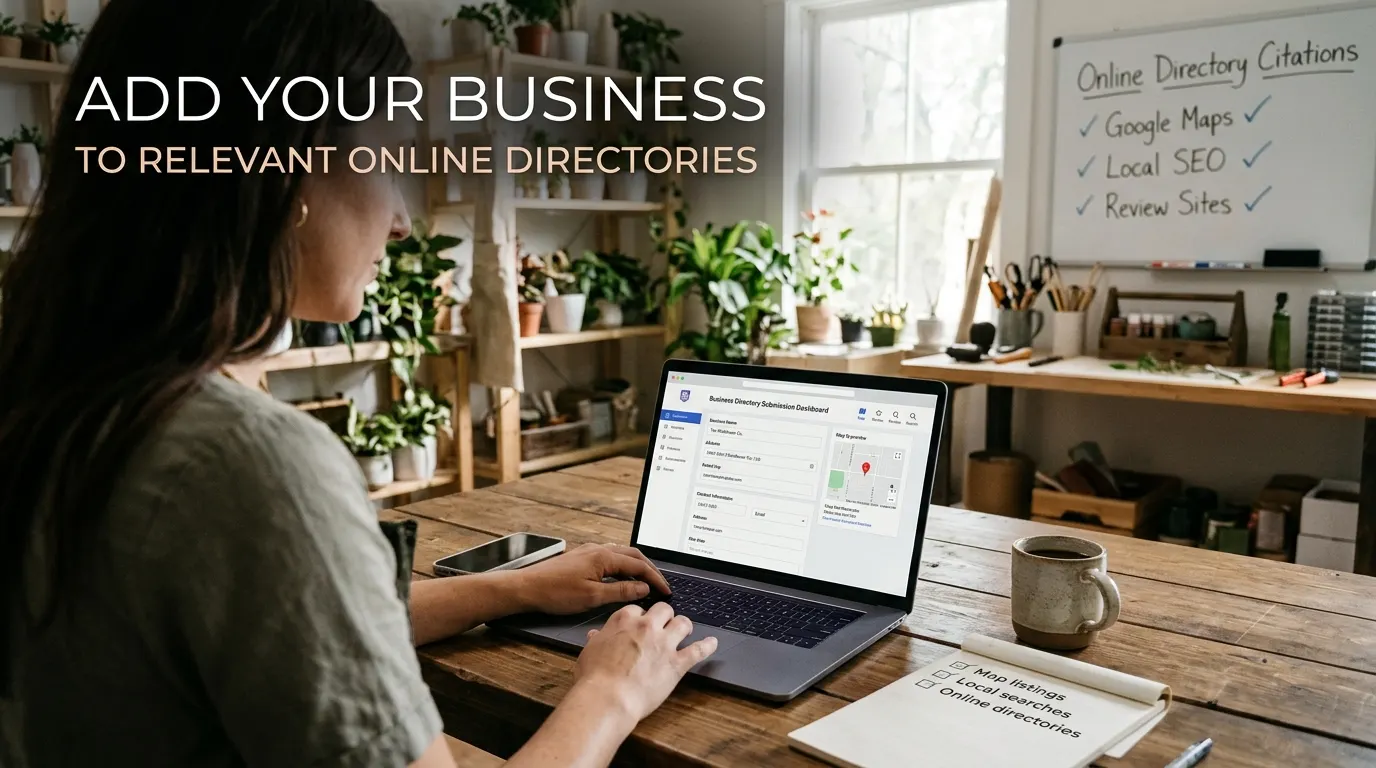
Online directories provide another way for customers to discover local businesses.
A retailer may have a Google Business Profile and social media accounts but still miss opportunities to appear in searches made through other websites.
Relevant business directories can help organise information such as:
- Store name
- Business category
- City and neighbourhood
- Complete address
- Contact number
- Website or social media page
- Map location
For grocery retailers in Pakistan, Grocer.pk provides dedicated categories for supermarkets, grocery stores, kiryana shops, and online grocery businesses.
Business owners can browse the relevant categories:
- Supermarkets in Pakistan
- Grocery Stores in Pakistan
- Kiryana Stores in Pakistan
- Online Grocery Stores in Pakistan
Retailers who want to add a missing business or request an update to an existing listing can contact Grocer.pk at info@grocer.pk with the business name, category, complete address, phone number, and website or social media details if available.
A directory listing is an additional discovery channel, not a replacement for maintaining the retailer’s own business information. Business owners should also check that their details remain consistent across different platforms.
6. Create a Simple Website When Your Business Is Ready
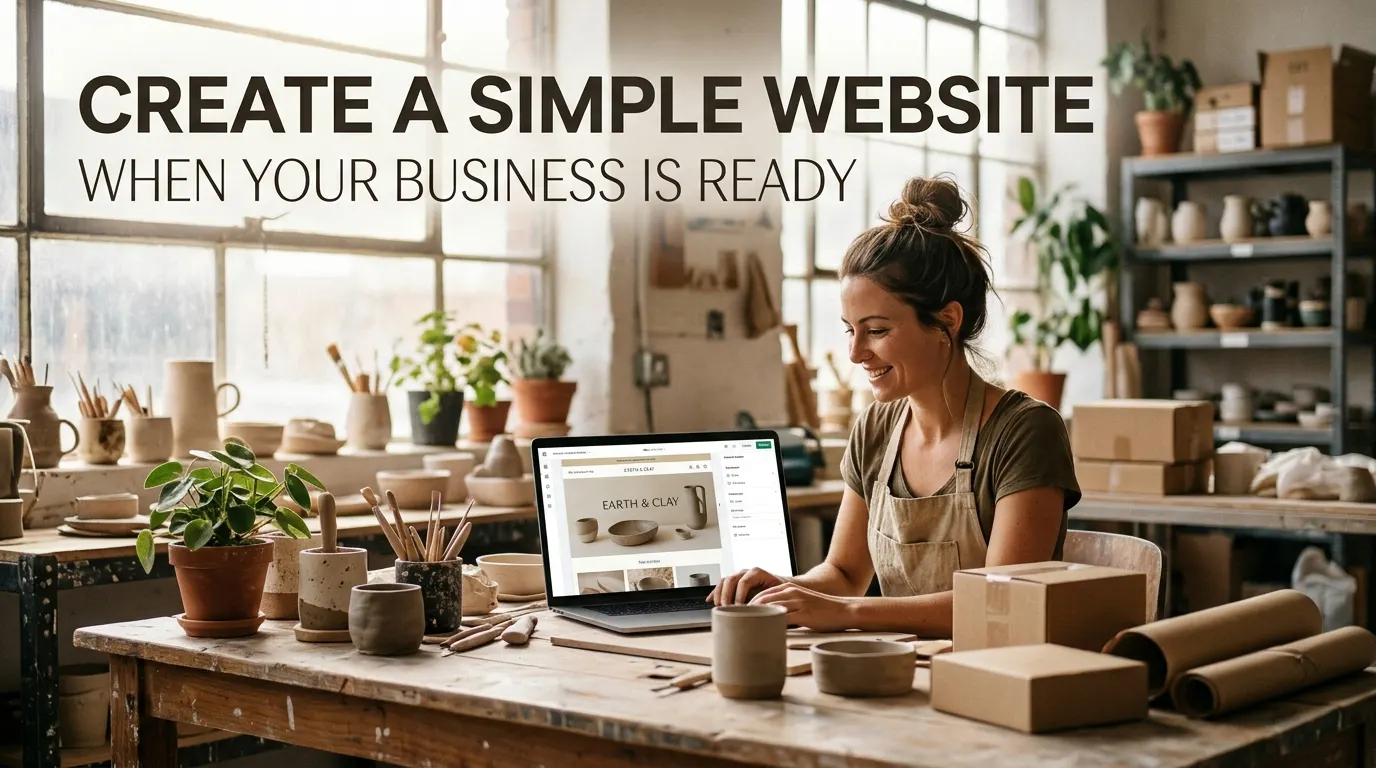
A website is not the first requirement for every small retailer. A shop that is just beginning its digital journey may get more immediate value from Google Business Profile, WhatsApp Business, and a properly maintained social media page.
However, a website becomes more useful when the business wants to provide detailed information, display a larger product range, accept online orders, or build a recognisable brand.
A basic grocery retail website can include:
Home page: Introduce the business, its location, and main services.
About page: Explain the store’s background and what customers can expect.
Products page: Display available product categories or selected items.
Contact page: Include the shop address, phone number, opening hours, and contact options.
Ordering information: Explain how customers can place orders, make payments, and receive deliveries if these services are available.
A retailer should not build an expensive e-commerce website simply because competitors have one. Start with the actual business requirement and expand when customer demand and operational capacity justify the investment.
7. Make It Easy for Customers to Place Orders
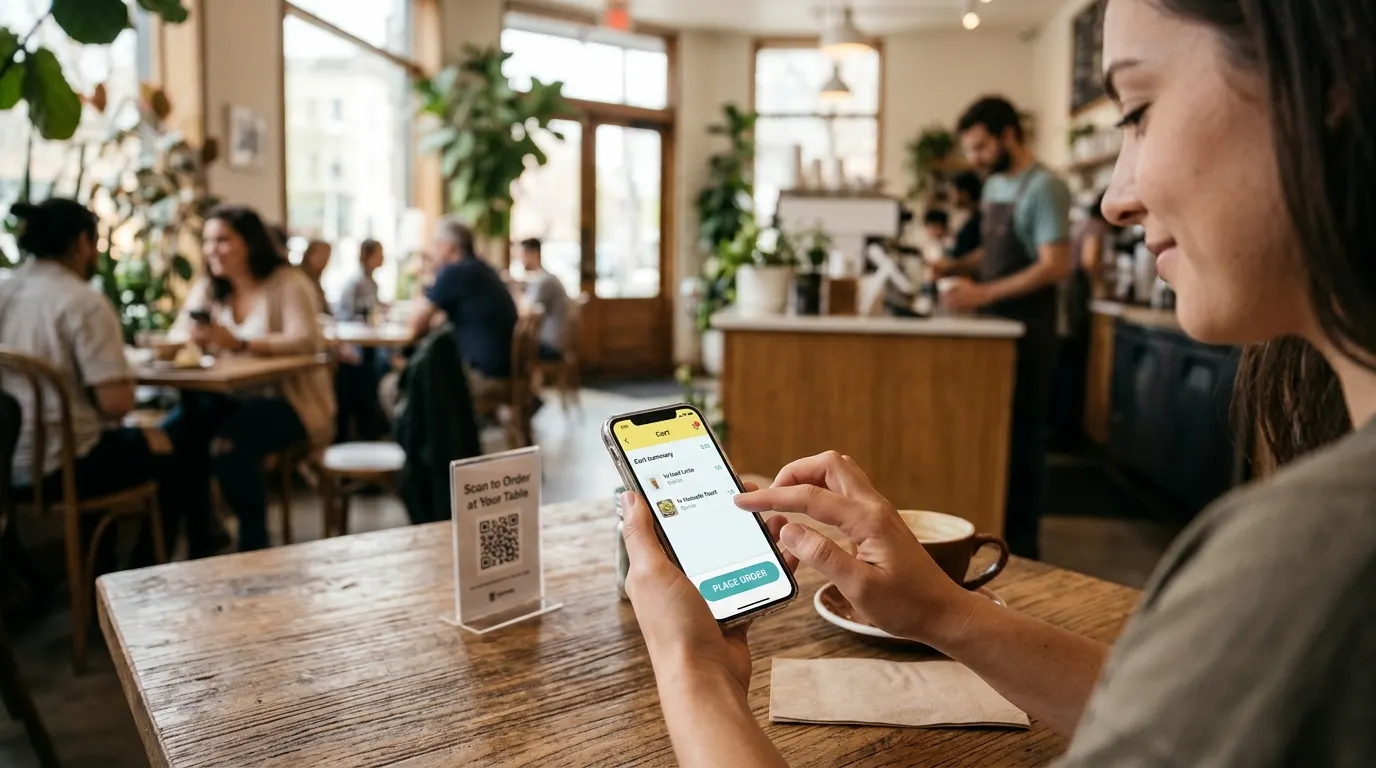
Being visible online is only one part of the process. Customers also need a clear way to ask questions or place orders.
A small grocery store can begin with a simple WhatsApp ordering process.
For example:
- A customer contacts the shop through WhatsApp.
- The retailer receives the product list.
- The shop confirms product availability and prices.
- The customer confirms the order.
- The retailer shares the delivery arrangements or collection time.
- The order is prepared and completed.
The retailer should communicate delivery charges, payment methods, substitutions, and expected delivery times before confirming the order.
If the shop does not offer home delivery, it should say so clearly. Customers should not be led to believe that online ordering or delivery is available when it is not.
As order volumes increase, the retailer can consider a more organised ordering system, a website, or an appropriate e-commerce platform.
8. Build Trust Through Accurate Information and Customer Reviews

Trust is especially important when customers are dealing with a business they have not visited before.
A retailer can improve its online credibility by keeping business information accurate and responding professionally to customer feedback.
Useful practices include:
- Uploading genuine storefront photographs.
- Showing actual products and packaging.
- Keeping contact details current.
- Updating opening hours when they change.
- Responding politely to customer questions.
- Addressing genuine complaints.
- Asking real customers for honest reviews.
- Avoiding purchased or fabricated reviews.
Never create fake customer accounts or write reviews on behalf of customers. Artificial reviews can damage a business’s credibility and violate platform policies.
A negative review should not be ignored automatically. If a customer raises a genuine issue, respond with a clear explanation and try to resolve it privately where appropriate.
Google also recommends maintaining complete and accurate business information, responding to reviews, and adding photographs to help customers understand the business.
Official resource: Tips to Improve Your Local Ranking on Google.
9. Use Local SEO to Reach Nearby Customers
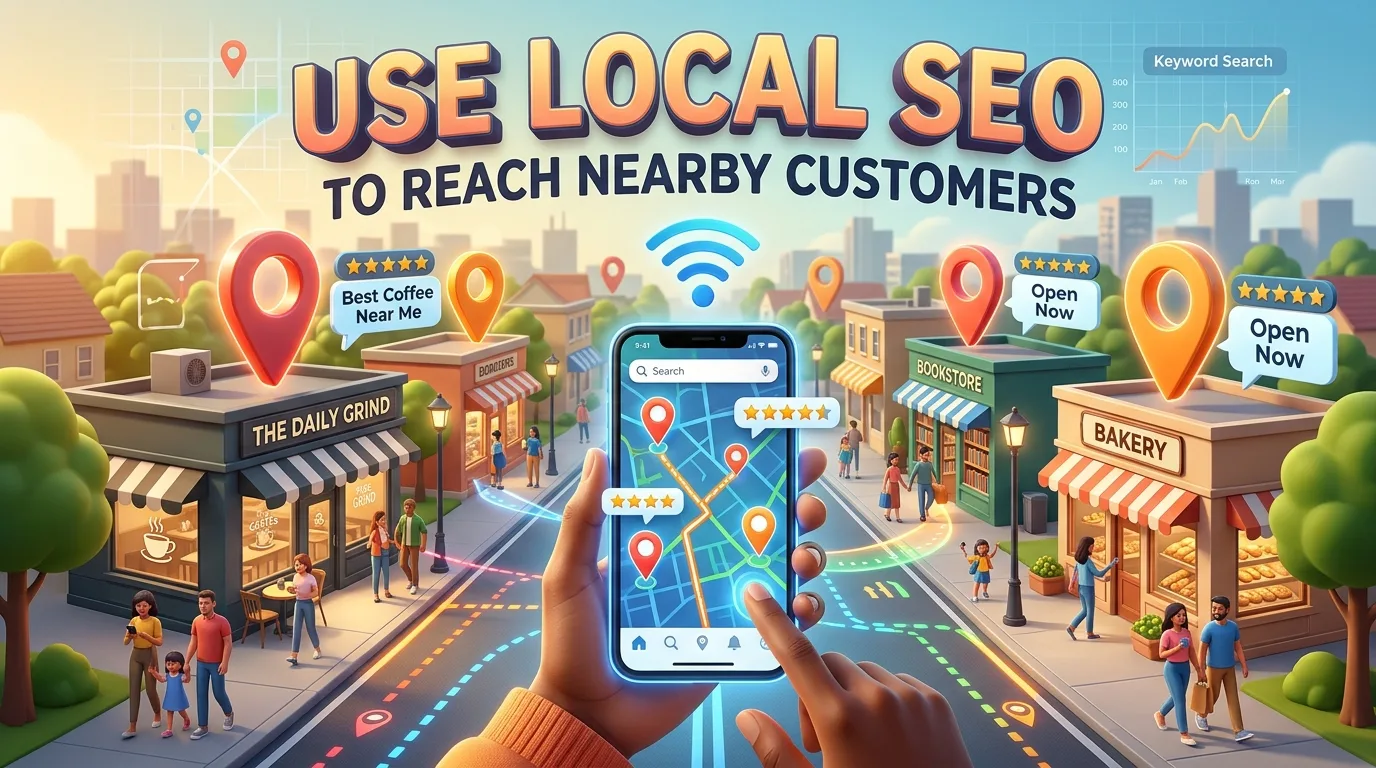
Local SEO helps a business become more relevant to people searching for products or services in a particular location.
For a small retailer, this is usually more practical than trying to rank for broad national keywords.
Consider these examples:
- Grocery store in Johar Town
- Kiryana store in Model Town
- Supermarket in DHA Lahore
- Grocery shop in Gulberg
- Grocery store near Wapda Town
The retailer can strengthen its local presence by using accurate location information across its online profiles and website.
Practical local SEO steps
- Use the actual business name consistently.
- Maintain the correct address and phone number.
- Choose the most relevant business category.
- Add genuine photographs of the shop.
- Mention the neighbourhood naturally in website content.
- Link to the correct map location.
- Keep business hours updated.
- Encourage genuine customer feedback.
Do not add dozens of neighbourhood names to a business description or create duplicate profiles for the same shop. Location information should reflect where the business actually operates.
Google explains that local results are influenced by relevance, distance, and prominence. Completing a profile does not guarantee a particular ranking, but accurate information helps Google and customers understand the business.
10. Track What Is Working Before Spending on Advertising
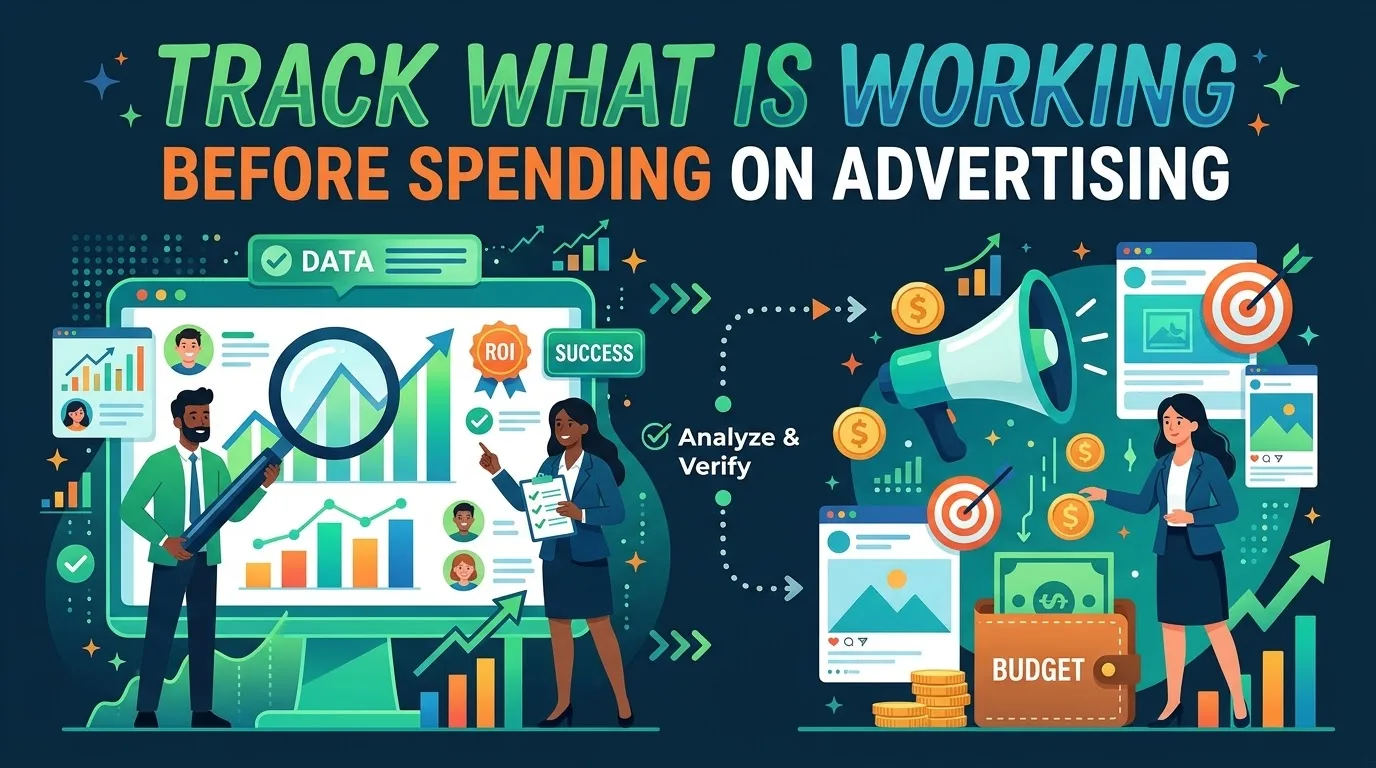
Small retailers should understand whether their online activity is generating useful customer enquiries before investing heavily in paid advertising.
Start by tracking a few practical measures:
| What to track | Why it matters |
|---|---|
| Calls received | Shows whether customers are contacting the shop |
| WhatsApp enquiries | Measures interest in products and orders |
| Map directions | Indicates interest in visiting the store |
| Social media messages | Shows customer engagement |
| Confirmed orders | Measures actual business activity |
| Repeat customers | Helps assess customer retention |
For example, if a retailer receives many WhatsApp enquiries but very few confirmed orders, the issue may be product availability, unclear pricing, delivery charges, or slow responses.
More advertising will not necessarily solve those problems. Improve the ordering process first.
Once the retailer has a clear offer and can handle additional orders, a small advertising test can help identify whether paid promotion is worthwhile.
A Practical 30-Day Online Presence Plan for Small Retailers
A retailer does not need to launch every platform at the same time. The following plan provides a manageable starting point.
| Period | What to do |
|---|---|
| Week 1 | Set up or improve Google Business Profile and check the store’s contact information |
| Week 2 | Create a WhatsApp Business profile, add product information, and prepare quick replies |
| Week 3 | Set up a Facebook page or Instagram business account and publish genuine store photographs |
| Week 4 | Request relevant directory listings, review customer enquiries, and correct missing information |
At the end of the month, review which platforms customers actually use. Focus on maintaining the channels that generate useful enquiries rather than opening more accounts without a clear purpose.
Common Online Marketing Mistakes Small Retailers Should Avoid
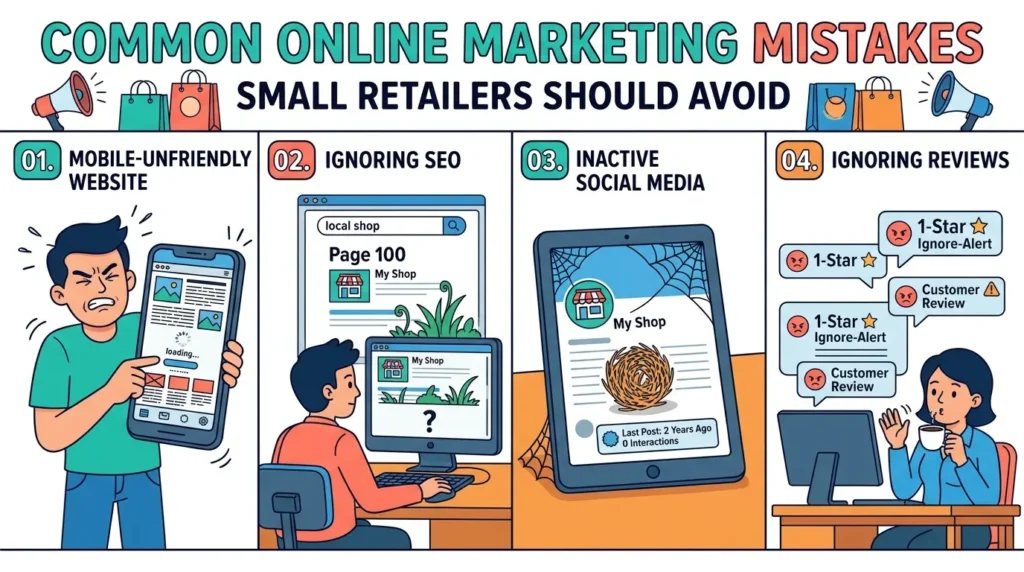
Building an online presence takes consistency. Some common mistakes can make a business look unreliable or create unnecessary work.
Creating profiles without maintaining them: An old phone number, incorrect opening hours, or an inactive page can frustrate customers.
Using incorrect business information: Different shop names, addresses, and contact numbers across platforms can create confusion.
Posting only promotional content: Customers also need useful information, product details, and answers to common questions.
Ignoring messages: A customer who receives no response may contact another retailer.
Buying fake followers or reviews: These numbers do not represent genuine customer interest and can damage trust.
Spending on advertisements too early: Advertising an unclear offer or a store that cannot manage additional orders can waste money.
Promising services that are unavailable: Do not advertise delivery, online payments, or stock availability unless the business can actually provide them.
Frequently Asked Questions
How can small retailers build an online presence in Pakistan?
Small retailers can start by creating a Google Business Profile, setting up WhatsApp Business, and maintaining a Facebook or Instagram business account. They can also use relevant local directories and build a website when their business requirements justify it.
Do small retailers need a website to sell online?
No. A small retailer can initially receive customer enquiries and orders through WhatsApp Business or social media. A website becomes more useful when the business needs a larger product catalogue, online ordering, or more control over its digital operations.
Is Google Business Profile free for small businesses?
Google Business Profile is available at no charge for eligible businesses. Retailers can manage their business information, photographs, and customer reviews through Google Search and Maps. Paid advertising is a separate service.
How can a kiryana store attract customers online?
A kiryana store can maintain accurate Google Maps information, share genuine product photographs, respond to WhatsApp enquiries, and provide clear information about its location and opening hours. A relevant business directory listing can provide another way for customers to discover it.
Is WhatsApp Business useful for grocery shops?
Yes. WhatsApp Business provides tools such as business profiles, product catalogues, greeting messages, quick replies, and labels. These can help grocery retailers manage customer questions and organise orders.
How often should small retailers post on social media?
There is no fixed posting frequency that works for every retailer. The priority should be useful and accurate updates that the business can maintain consistently. A few genuine posts are more valuable than frequent posts containing outdated information.
Should small retailers run Facebook and Instagram ads?
Paid advertising can be useful when a retailer has a clear target area, a suitable offer, and the capacity to respond to enquiries. It is sensible to establish basic business information and an effective customer response process before increasing advertising expenditure.
Can Grocer.pk help small grocery retailers get discovered online?
Grocer.pk provides searchable listings for supermarkets, grocery stores, kiryana shops, and online grocery businesses in Pakistan. Business owners can request a new listing or an update by contacting info@grocer.pk with their business details.
Final Thoughts
Small retailers do not need to compete with supermarkets by copying their marketing budgets or building complicated digital systems. They need to make their businesses easier to find, provide accurate information, and give customers a convenient way to communicate.
Google Business Profile can support local discovery, WhatsApp Business can simplify customer communication, and social media can help retailers share genuine product and store updates. Relevant online directories and a simple website can provide additional visibility as the business grows.
The most effective starting point is not to join every platform. It is to choose a few useful channels, maintain them properly, and measure whether they bring real customer enquiries and orders.
For grocery retailers in Pakistan, a consistent online presence can become a practical extension of the physical shop.
Syed Abdul Manan is an SEO expert and WordPress specialist with over 10 years of experience in search engine optimization and WordPress development. He holds a Bachelor of Science in Computer Science (BSCS) and is the Founder & CEO of Grocer.pk, a searchable directory of grocery stores, supermarkets, kiryana shops, and online grocery businesses across Pakistan.
With a technical foundation in computer science, he has spent the past decade working on technical SEO, on-page optimization, content strategy, and building fast, well-structured WordPress websites. For more than six years, he has been developing and managing Grocer.pk, which now covers major cities including Lahore, Karachi, Islamabad and Faisalabad, helping people find nearby stores by city, area and category, along with locations, contact details and map links.
Syed Abdul Manan runs Grocer.pk with a professional, quality-focused approach, combining clean site architecture, structured listings and practical grocery guides to serve both shoppers and business owners. His goal is to help local businesses build a stronger online presence and to help users find reliable local information quickly.
Connect with him on LinkedIn.